Four Years on the Road: Pamir Highway, China and the Return of Falkor
Tajikistan, Kyrgyzstan, the Nomad Games, Taiwan, 109 days in China, South Korea, Japan, and the most emotional motorcycle reunion of our lives.Our wildest year of motorcycle travel yet
Four years of motorcycle travel. 115,000 km. 45 countries. And honestly, the world still surprises us every single day.
Year 4 of motorcycle travel started exactly where Year 3 ended: deep in Central Asia, dust-covered and grinning. But then it took a turn no one expected. We parked Falkor in a Bishkek garage for 11 months, swapped two wheels for a backpack, and dove into Taiwan, Japan, Hong Kong, Macau and 109 consecutive days backpacking through China. When we finally came back to pick up the motorcycle, the emotion of that reunion hit us harder than we thought it would.
This is the story of Year 4. The mythical Pamir Highway, fat-bottomed sheep causing traffic jams in Kyrgyzstan, the World Nomad Games, bubble tea obsession in Taiwan, sleeping on the Great Wall, a lost license plate found, a Lonely Planet contract in our spam folder, and two Falkor motorcycles meeting by pure chance somewhere in the Kyrgyz steppe. Ready? Let’s go.
✈️ Taiwan (3 months) · Japan Okinawa · Hong Kong · Macau
China (109 days: Yunnan, Tibet Historique, Sichuan, Beijing…) · South Korea
Japan (Hokkaido) · China (Beijing, Great Wall, Xinjiang) · Kazakhstan · Kyrgyzstan
The Pamir Highway: Our Motorcycle Travel High Point
If you followed our Year 3 story, you know we ended it rolling into Tajikistan. Year 4 picks up in the same dust and heat, now heading somewhere truly legendary: the Pamir Highway. Together with our friends Sander, Iris and Seb (the « Sweaty Sharks Team »), we pointed Falkor toward the roof of the world.
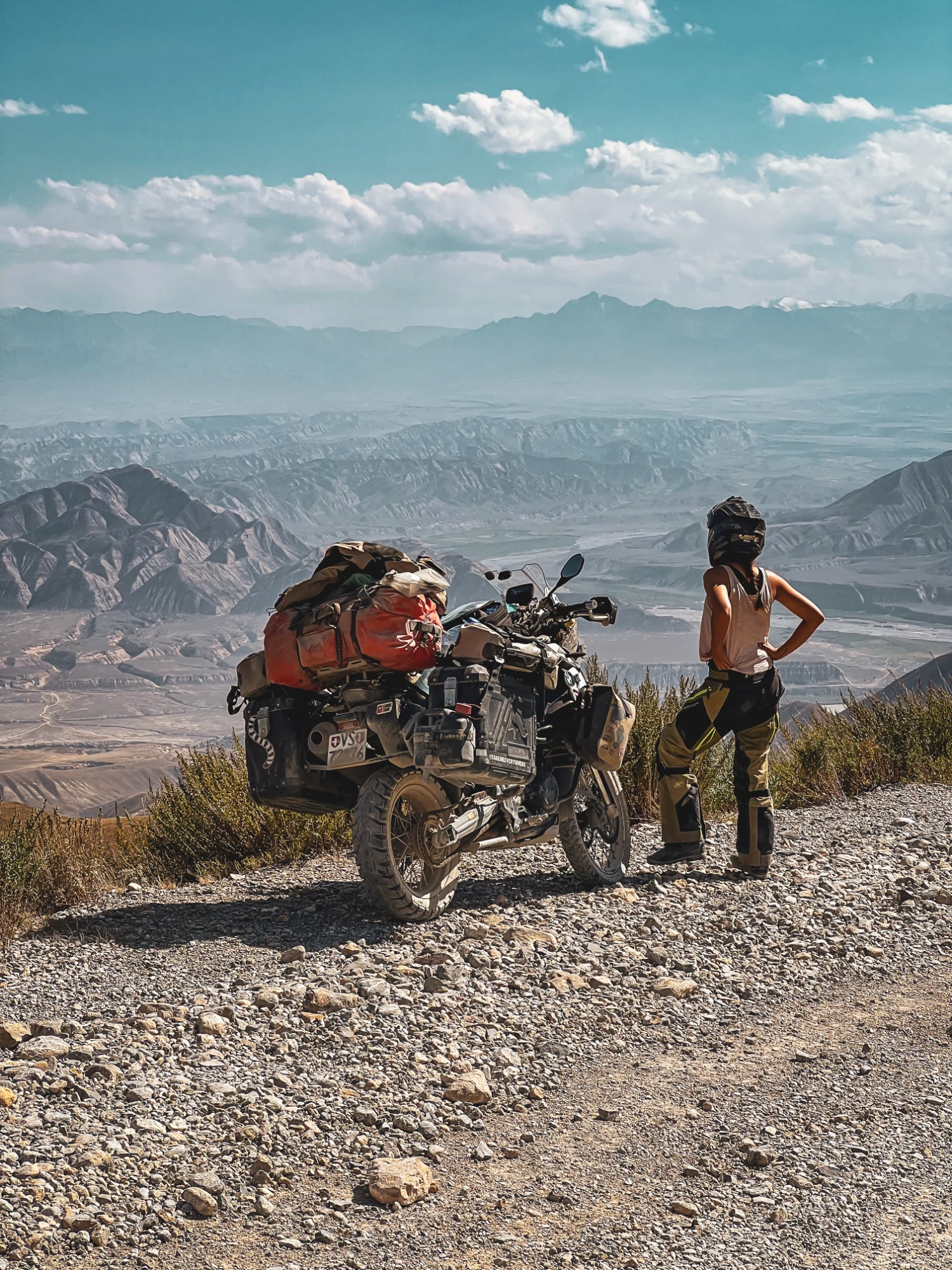
The Pamir Highway (M41) is one of the most iconic overland routes on the planet. Part of the ancient Silk Road, it crosses the Pamir plateau at altitudes above 4,000 meters, linking Dushanbe to the Kyrgyz border through landscapes so raw they feel unreal. Our full guide covers everything you need to know for a motorcycle trip on the Pamir. For now, here are the moments we will never forget.
Pamir Highway Highlights
- The Hushang Pass at 4,655 meters, where every photo makes you wheeze with laughter and altitude sickness at the same time
- Wild swimming at Karakul Lake at 4,000m: the cold is brutal, the setting is from another planet
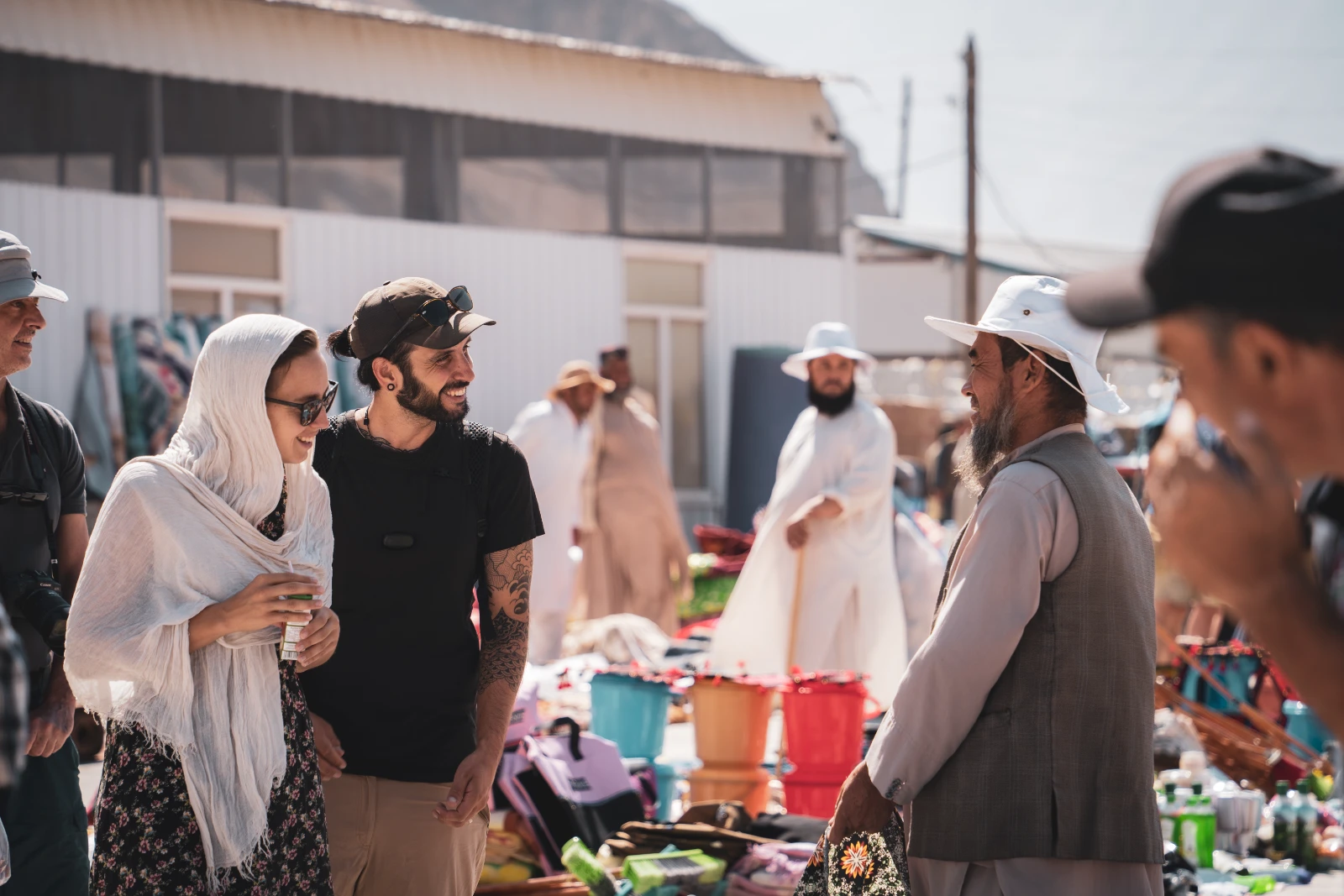
- The Wakhan Corridor, riding along the Afghan border and stopping at the weekly market where traders cross from both sides
- Losing our license plate somewhere on the Pamir, and finding it weeks later (spoiler below)
- Garm-Chashma hot springs and the legendary Pamiri hospitality
- Khorog, the Pamiri capital, a city perched at the junction of two rivers with the Afghan mountains as a backdrop
The Wakhan Valley deserves its own paragraph. Riding along the Panj River with Afghanistan literally on the other side, close enough to wave at shepherds, is one of those deeply humbling experiences that motorcycle travel makes possible. Furthermore, the Sunday market at Ishkoshim, where merchants from both sides of the river meet in a neutral zone, felt like a window into another era entirely.

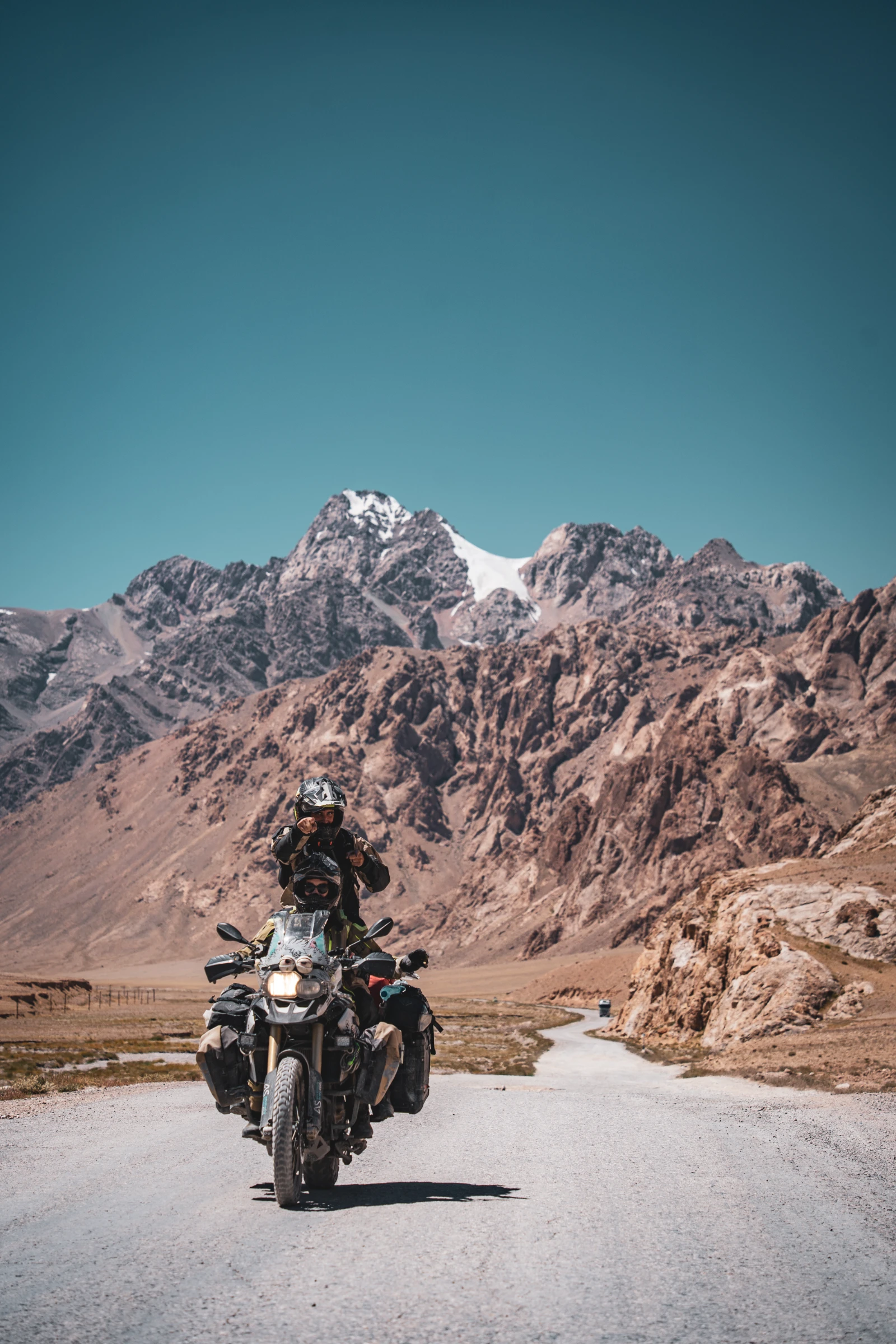
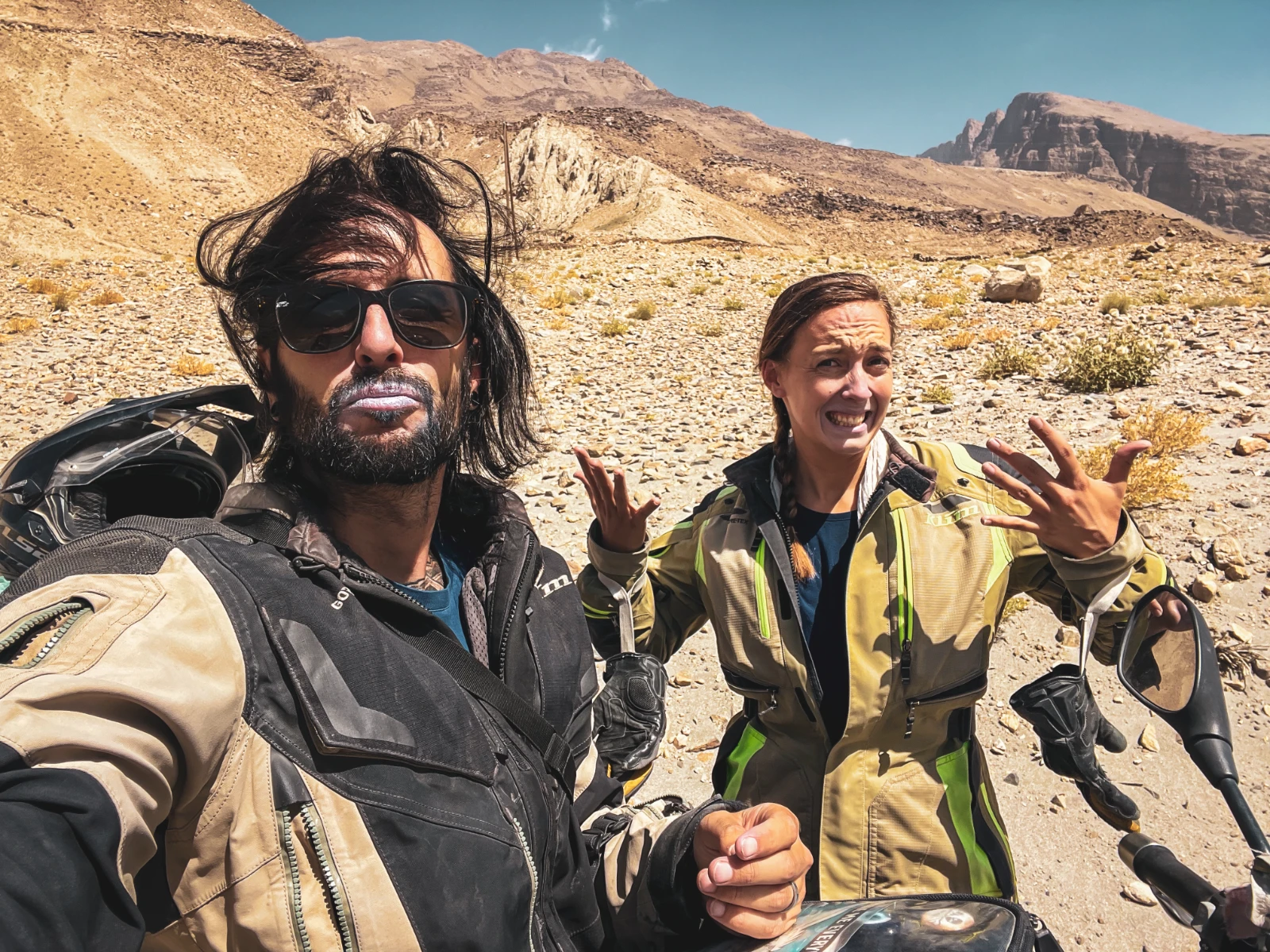
The pass at 4,655 meters was the exclamation point of this whole chapter. No trees, no oxygen, no color except grey rock and blue sky. We stood there laughing like idiots at the sheer luck of being alive and here. Seb, who had ridden with us for six weeks, said his goodbyes at that altitude. Fitting, really.
📖 The full motorcycle guide is waiting for you
- Complete route breakdown, day by day
- Road conditions, border crossings, permits explained
- Best wild camping spots and guesthouses on the route
- Everything you need to plan a motorcycle trip on the Pamir
Kyrgyzstan: Steppes, Yurts and Fat-Bottomed Sheep
Crossing from Tajikistan into Kyrgyzstan felt like entering a different world. The harshness of the Pamir gave way to rolling green hills, wide grasslands and the kind of beauty that makes you stop every ten minutes just to stand in the silence.
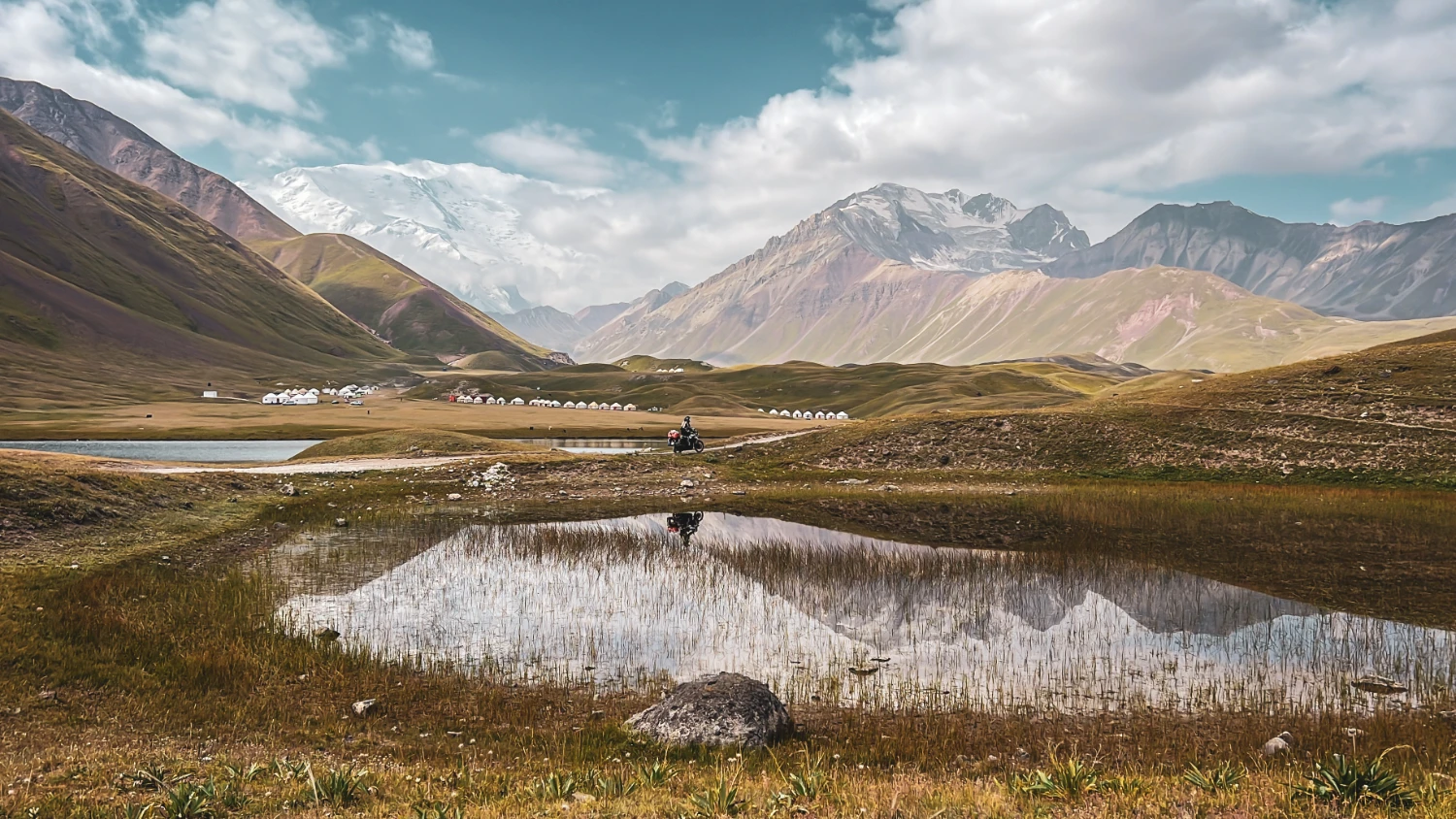
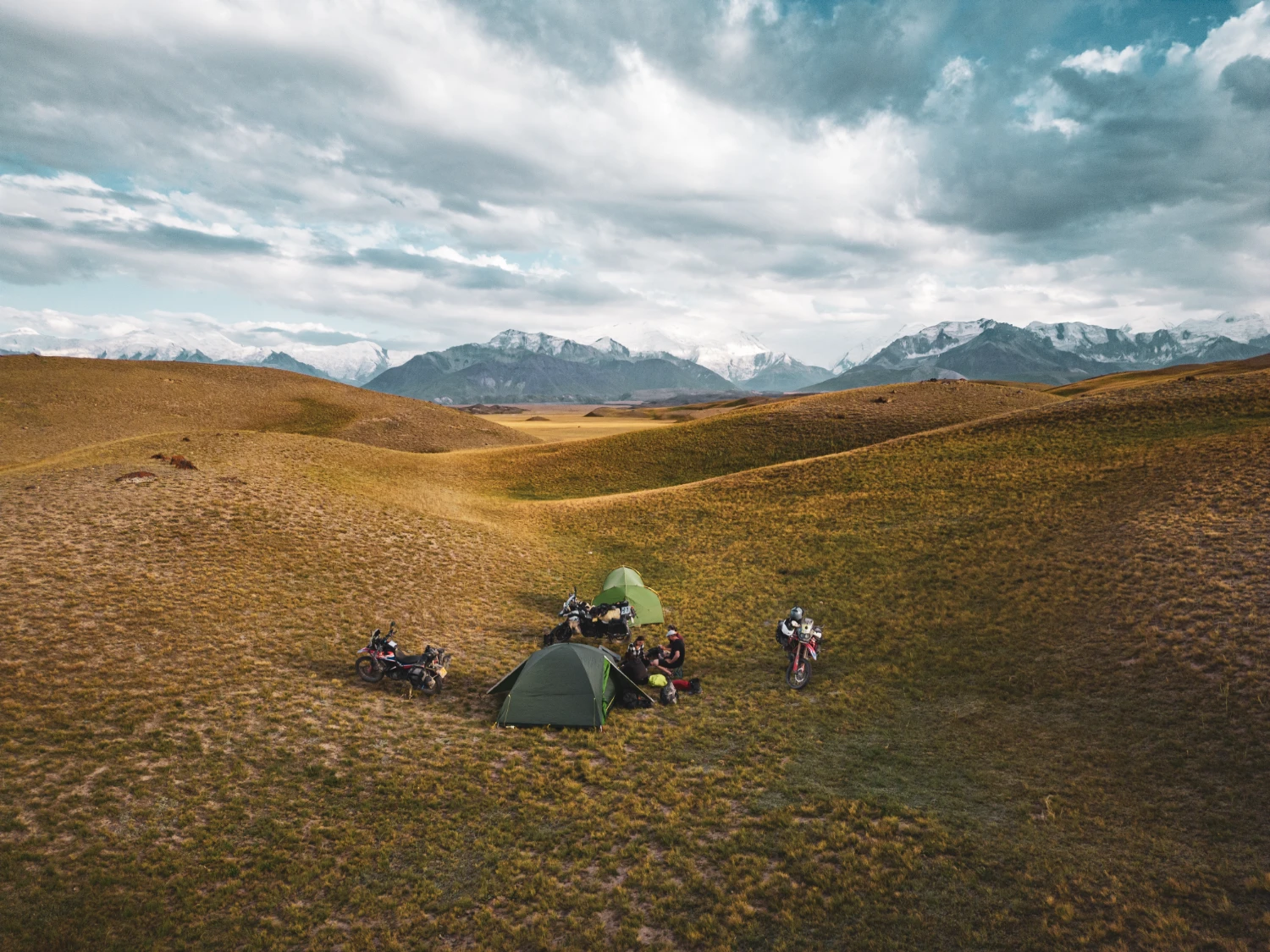
Our first stop was at the foot of Pic Lenin (7,134m), the second highest peak in the former Soviet Union. Together with Sander and Iris, we found a wild camp sheltered from the wind, pitched our tents in the golden hour light, and felt that particular sense of freedom that only exists when mountains surround every horizon.
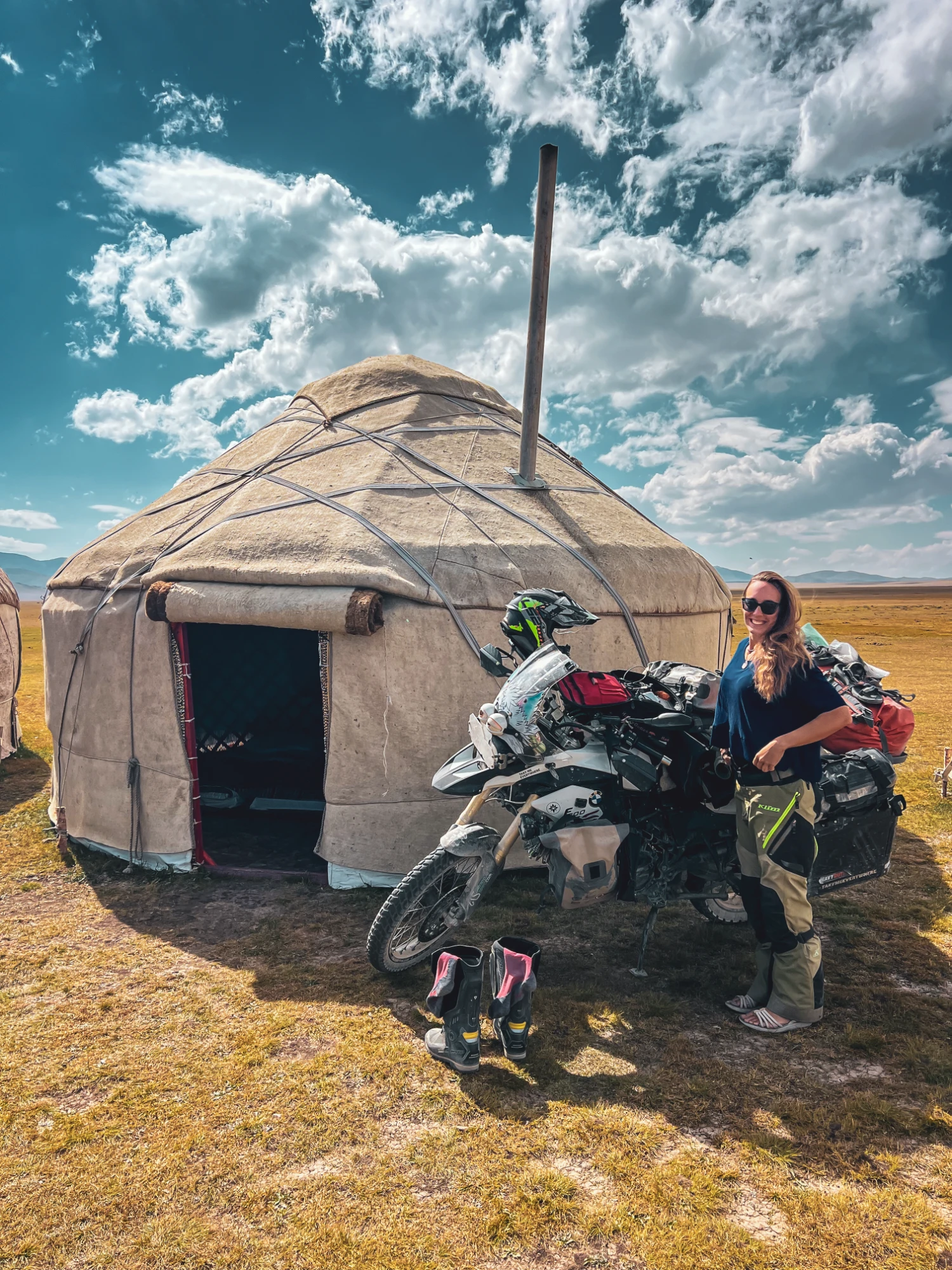
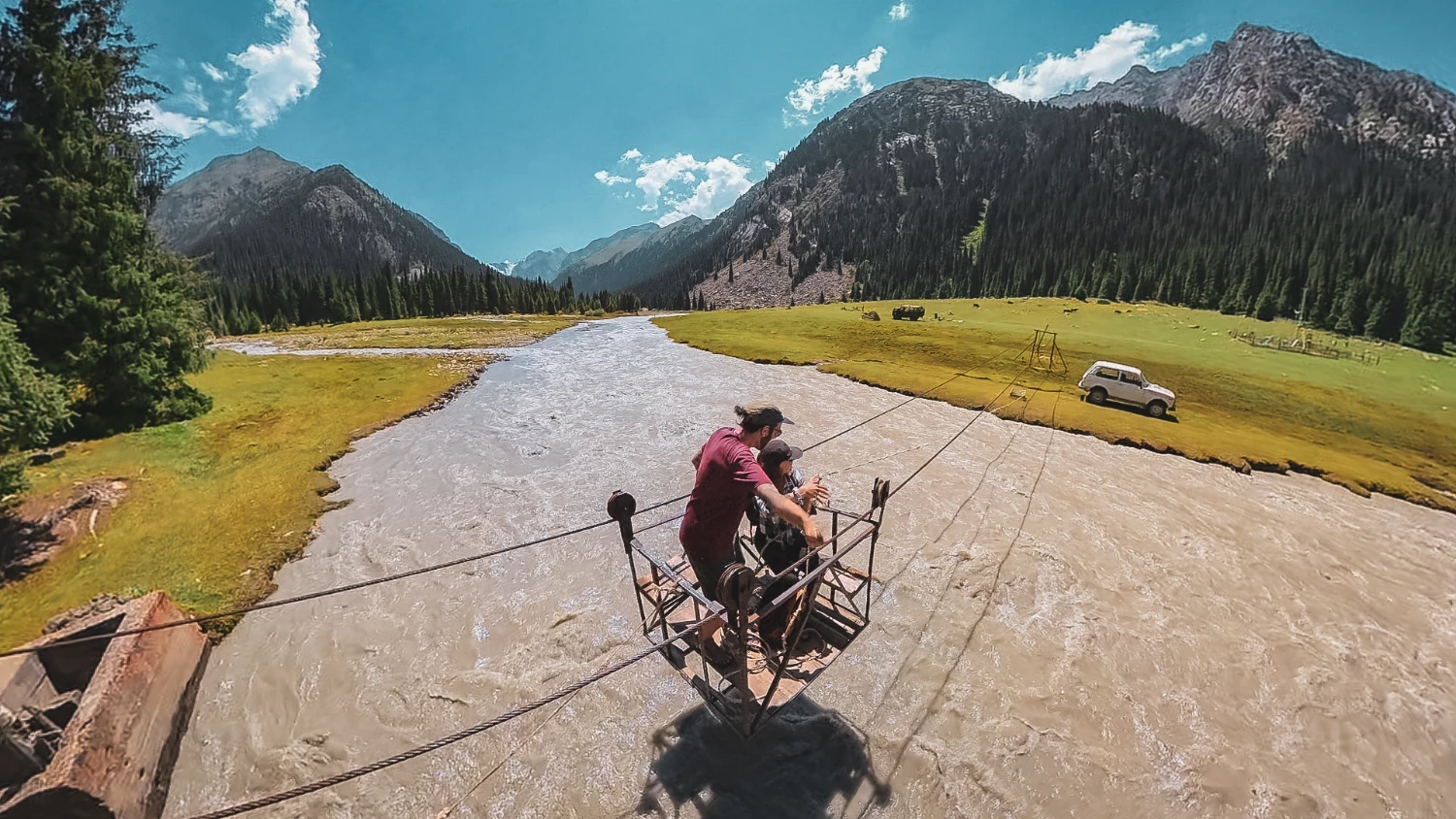
Kyrgyzstan has a sense of humor. We quickly discovered the fat-tailed sheep, a breed unique to Central Asia whose enormous bouncing rear ends cause genuine traffic jams on mountain roads. A flock of fifty can hold up a whole convoy for twenty minutes. Honestly, we never minded.
In Osh, something truly improbable happened. Remember the license plate we lost on the Pamir? A Dutch couple had found it, tracked us down through the motorcycle community, and handed it back. In a country of 7 million people, on a route crossing multiple nations, after weeks apart. We are still not sure how this happened.
Two Falkor motorcycles meet somewhere in the Kyrgyz steppe
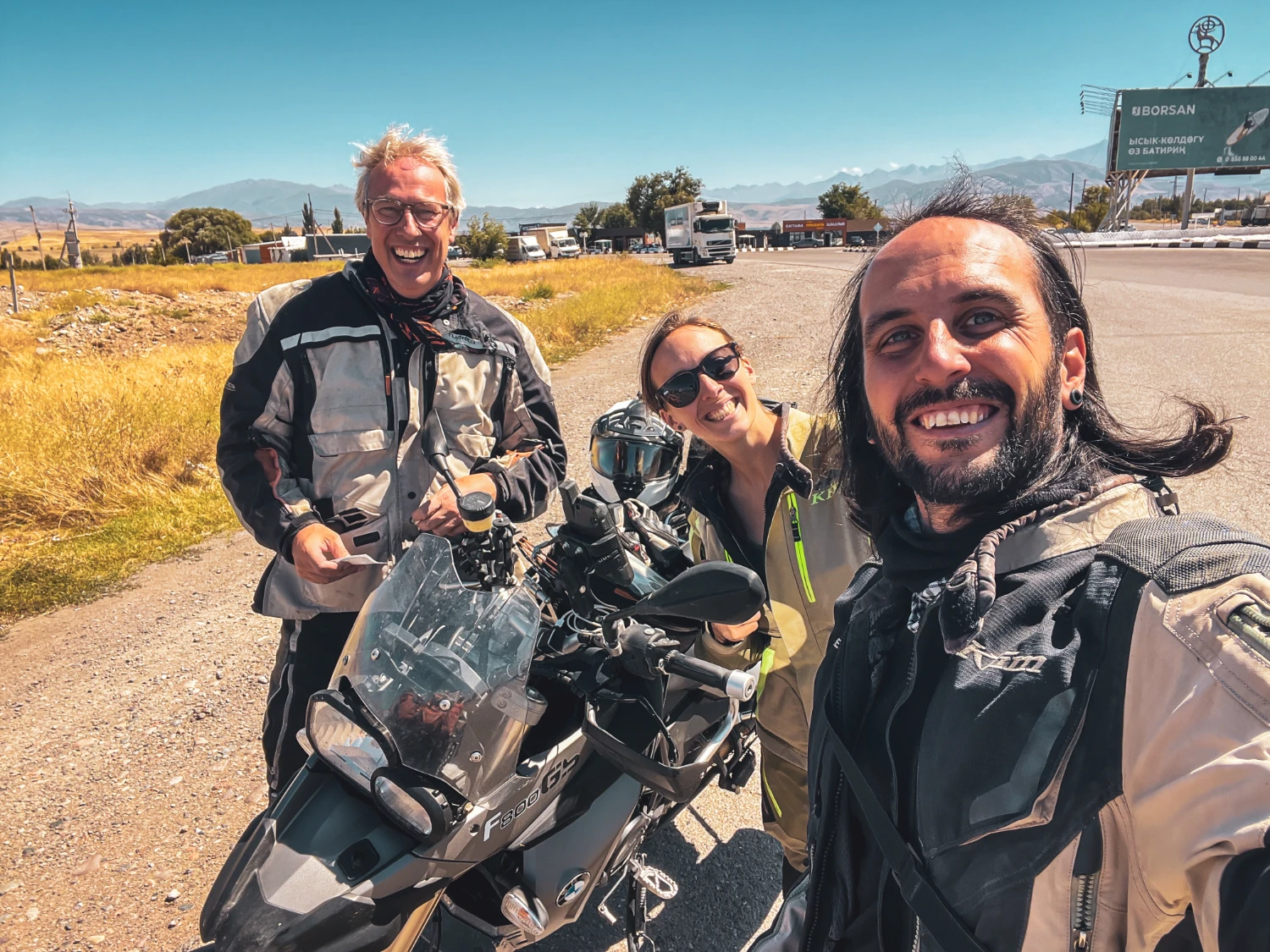
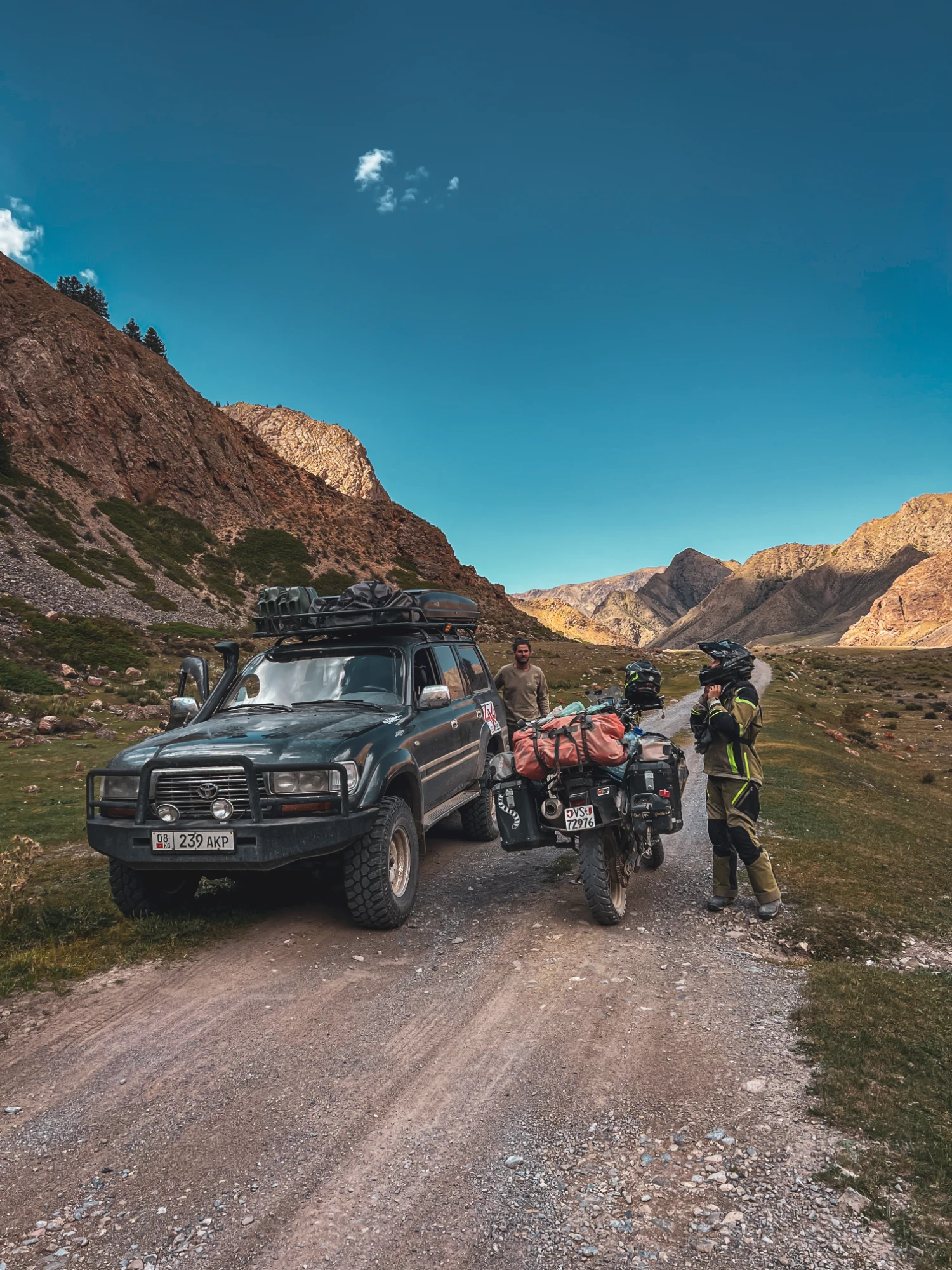
On the road towards Bishkek, we pulled over in the middle of nowhere to stretch our legs. A passing motorcyclist spotted us, waved, and turned around. He walked over: tall, big smile, same BMW F800 GS as ours. We talked about our respective trips, then decided to take a photo of the two identical bikes together. That’s when he noticed the eyes on Falkor’s headlight.
« What’s your bike called? » he asked. We told him: Falkor. « No, » he said. We stared at him. Then he pointed to his own motorcycle. His name was Thilo. His bike? Also named Falkor. Two European riders, two BMW F800 GS motorcycles named after the same fictional luck dragon, meeting completely by chance in the Kyrgyz steppe. Magic happens.
Son-Kul Lake: Nomadic Life at 3,000 Meters
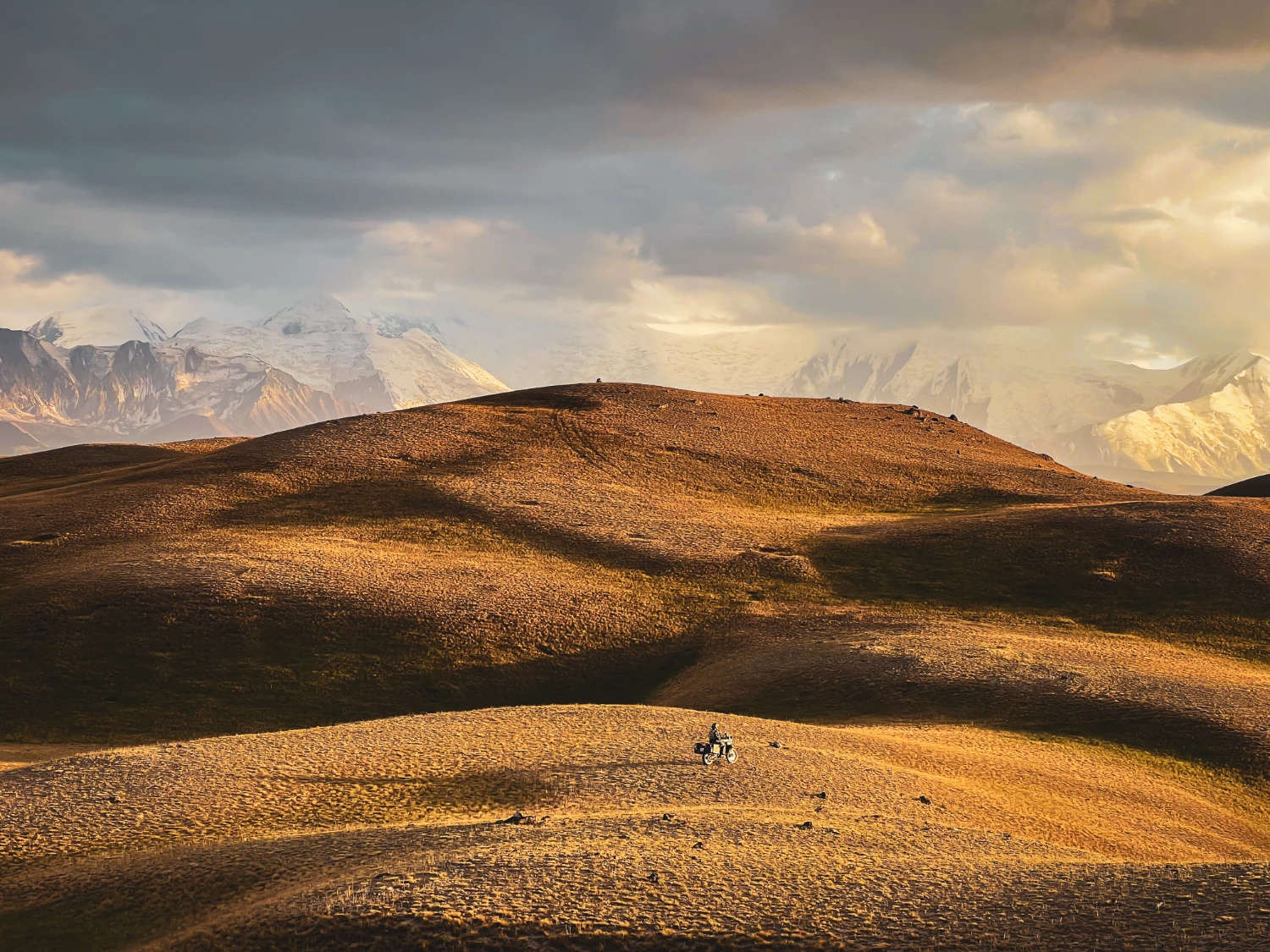
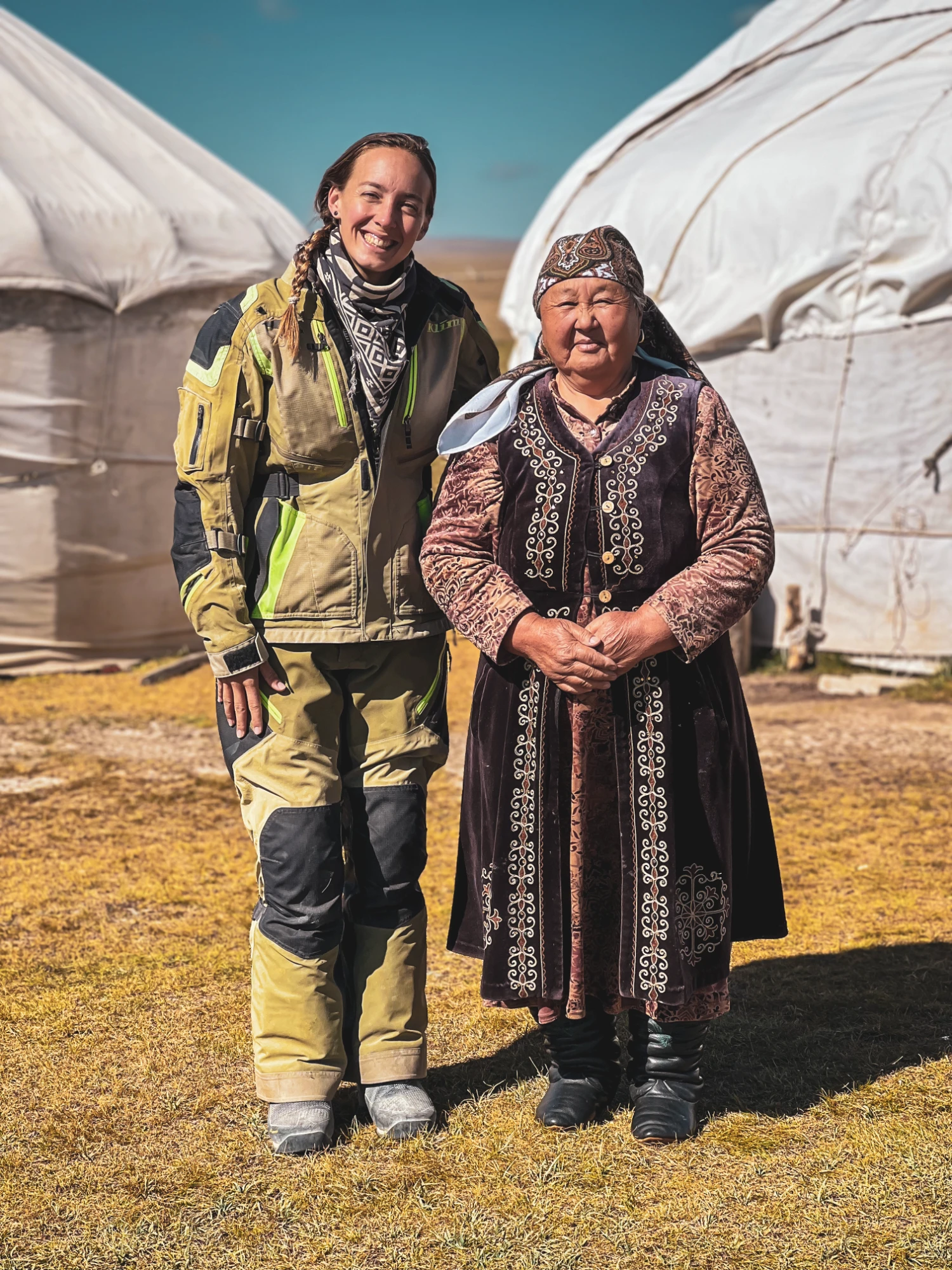
The dirt track to Son-Kul Lake (3,016m) is one of those motorcycle experiences you replay in your head for years. Enormous sky, green water, yurts scattered across the valley floor. We chose a small family camp and stayed for several days.
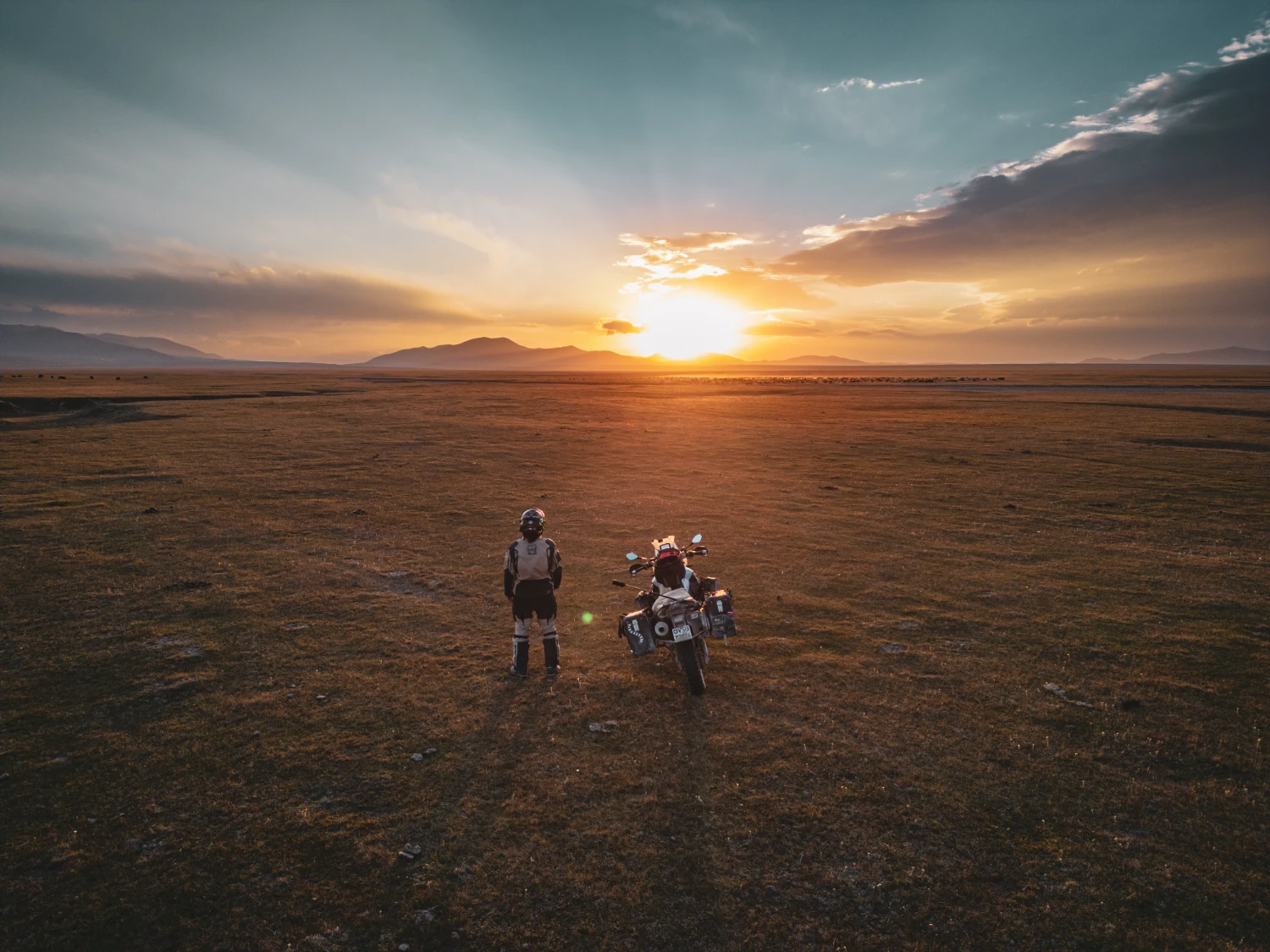
Nathalia became the camp’s unofficial Kumis champion. Kumis is fermented mare’s milk, a staple of Kyrgyz nomadic life. Natha threw herself into the churning process with such skill and enthusiasm that the whole family watched in amused disbelief, the grandmother’s eyebrow raised to its absolute maximum. That evening we will never forget: riding alongside a herd of horses at sunset in the golden steppe light, Falkor’s engine quiet against the sound of hooves on grass. No camera can capture that. Some moments live only in the body.
Victor, Olivia and the Ountravela Guide
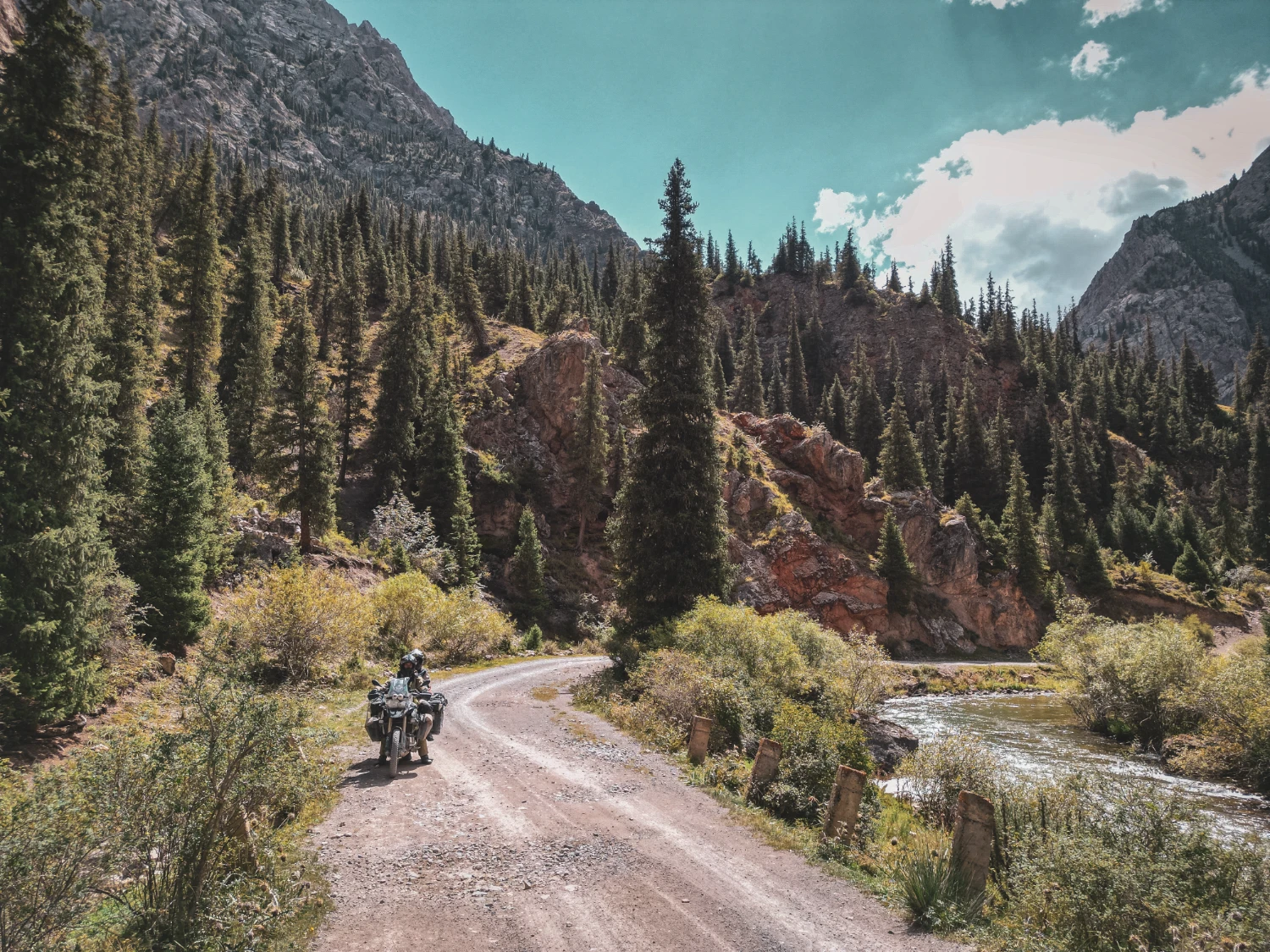
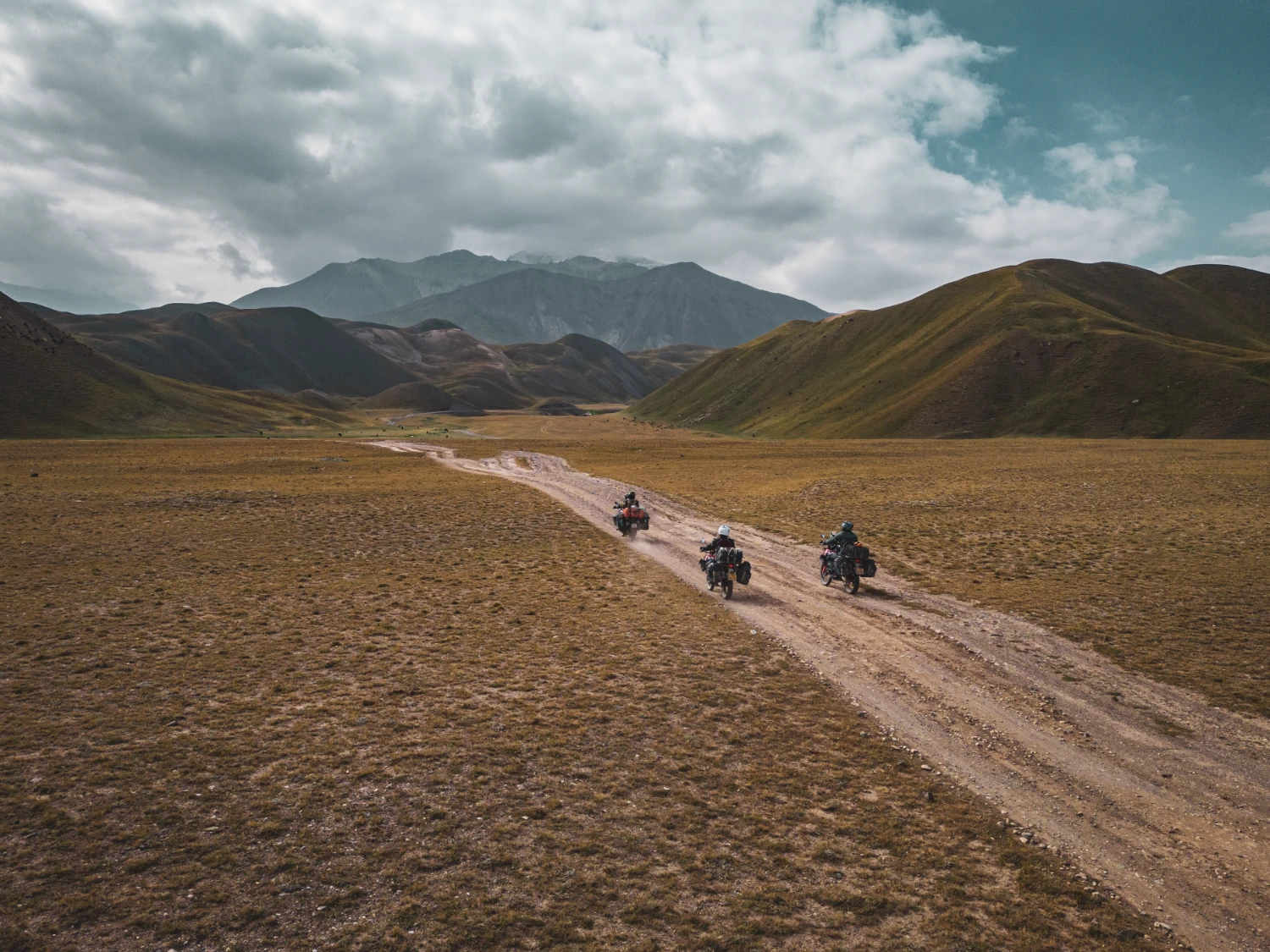
Following an off-road track from the Ountravela guide, our Kyrgyz bible, we rode straight into Victor and Olivia, the people who actually wrote it. Of all the pistes in all of Kyrgyzstan. We shared a meal together later and learned they were heading to the World Nomad Games in Astana by overnight train. That one sentence planted a big seed for what came next.
On August 31st, we rolled into Bishkek on Kyrgyzstan’s National Day. Streets full, music everywhere, the entire city in celebration mode. We barely had time to celebrate Nathalia’s birthday before being thrown into what can only be described as the most insane escape room in the former Soviet Union: a dwarf armed with a taser emerging from a refrigerator, and a man chasing us through pitch-black Soviet corridors with a running chainsaw. Standard birthday entertainment.
World Nomad Games: The Olympics of Central Asia
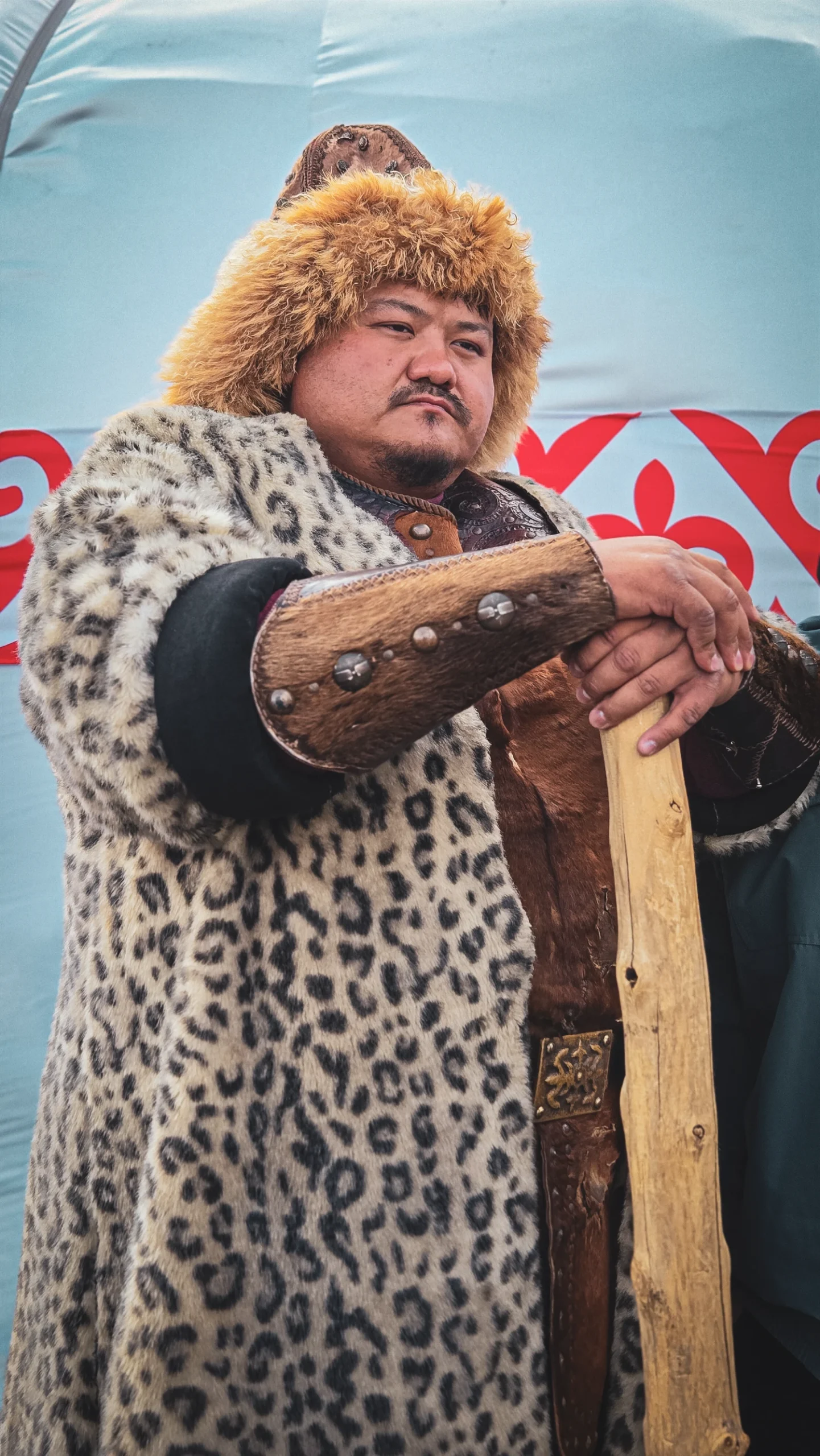
The World Nomad Games take place every two years in Central Asia, bringing together thousands of athletes from 80 nations to compete in traditional nomadic sports. We had never heard of it before Victor and Olivia mentioned it. Within days, we had a plan: cross Kazakhstan by overnight train, present ourselves as international media, and try to get in for free.
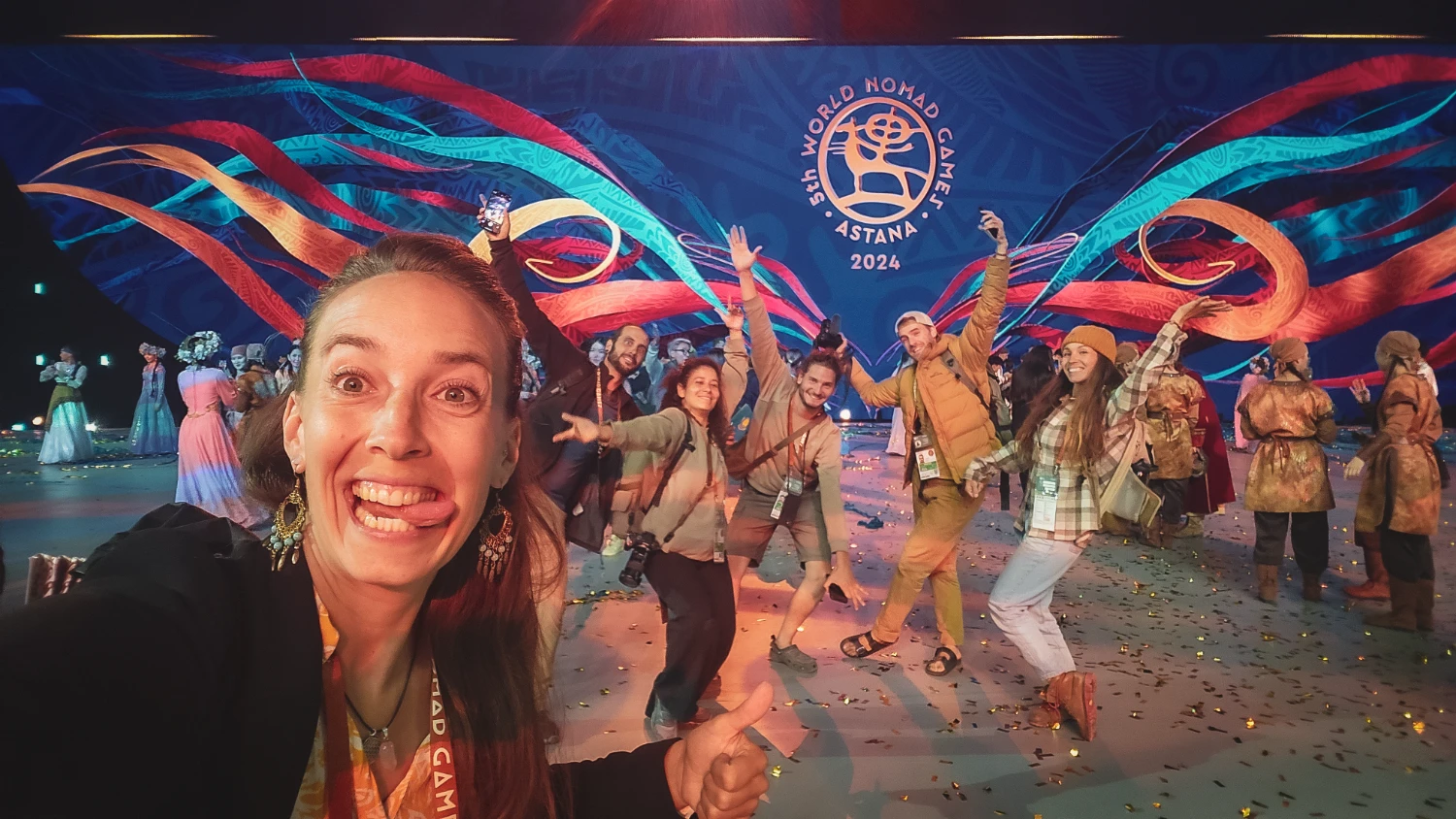
It worked. On September 8th, which also happened to be Nathalia’s birthday, we received press accreditation. Together with Victor, Olivia and their friends Delphine and Maxime (@entre2poles), we made it to the opening ceremony in Astana.
The event was unlike anything in our combined 22 years of travel. Below are a few of the sports that had us gripping our press badges in disbelief.
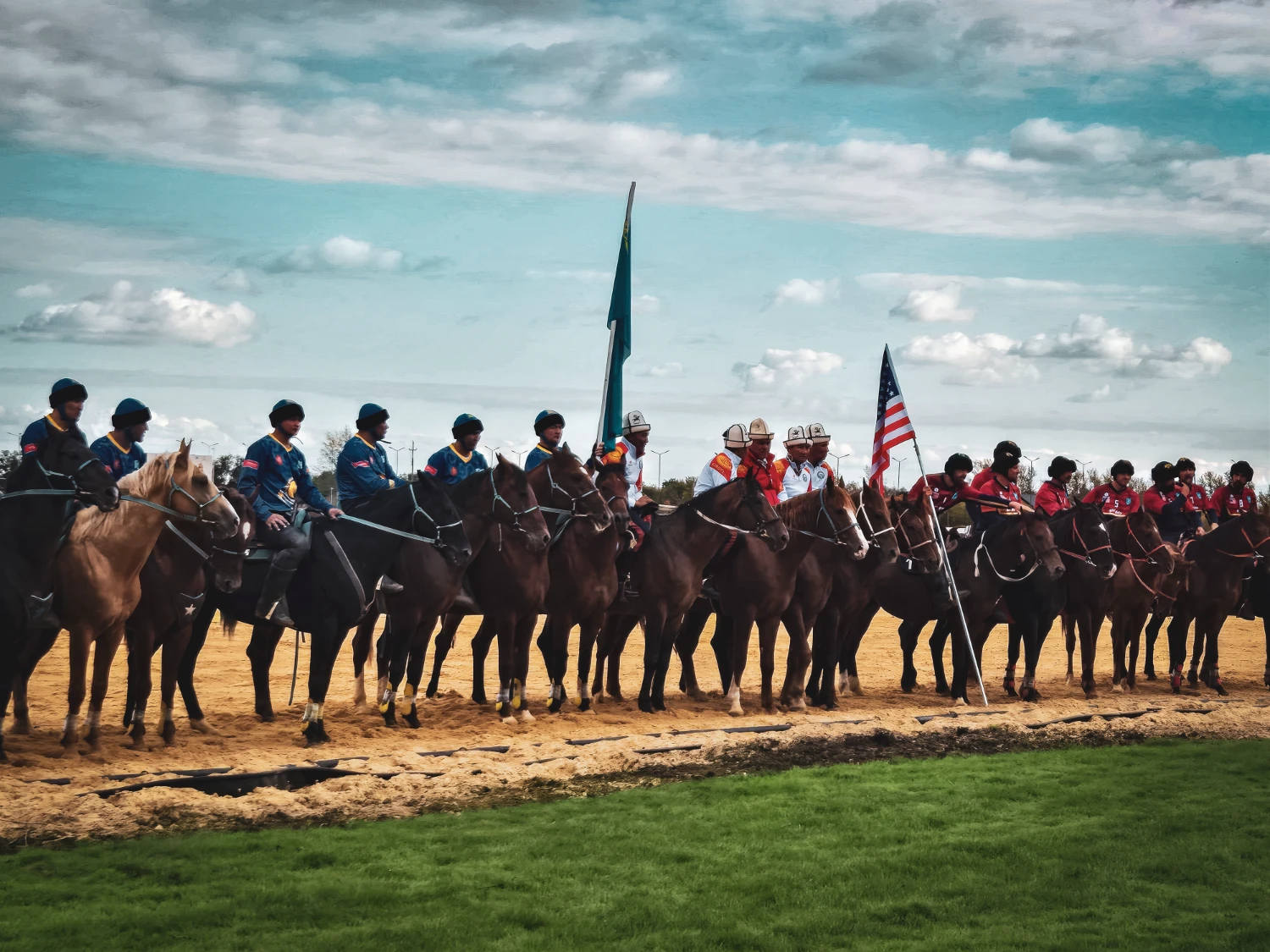
Kok-Boru
Often called the most extreme team sport on Earth. Two teams of horse riders compete to grab a headless goat carcass and throw it into the opposing team’s goal. Full speed, no padding, total chaos.
Mounted Archery
Riders gallop at full speed and shoot arrows at targets from horseback. Precision, balance and horsemanship all in one. It feels like it belongs to another century entirely.
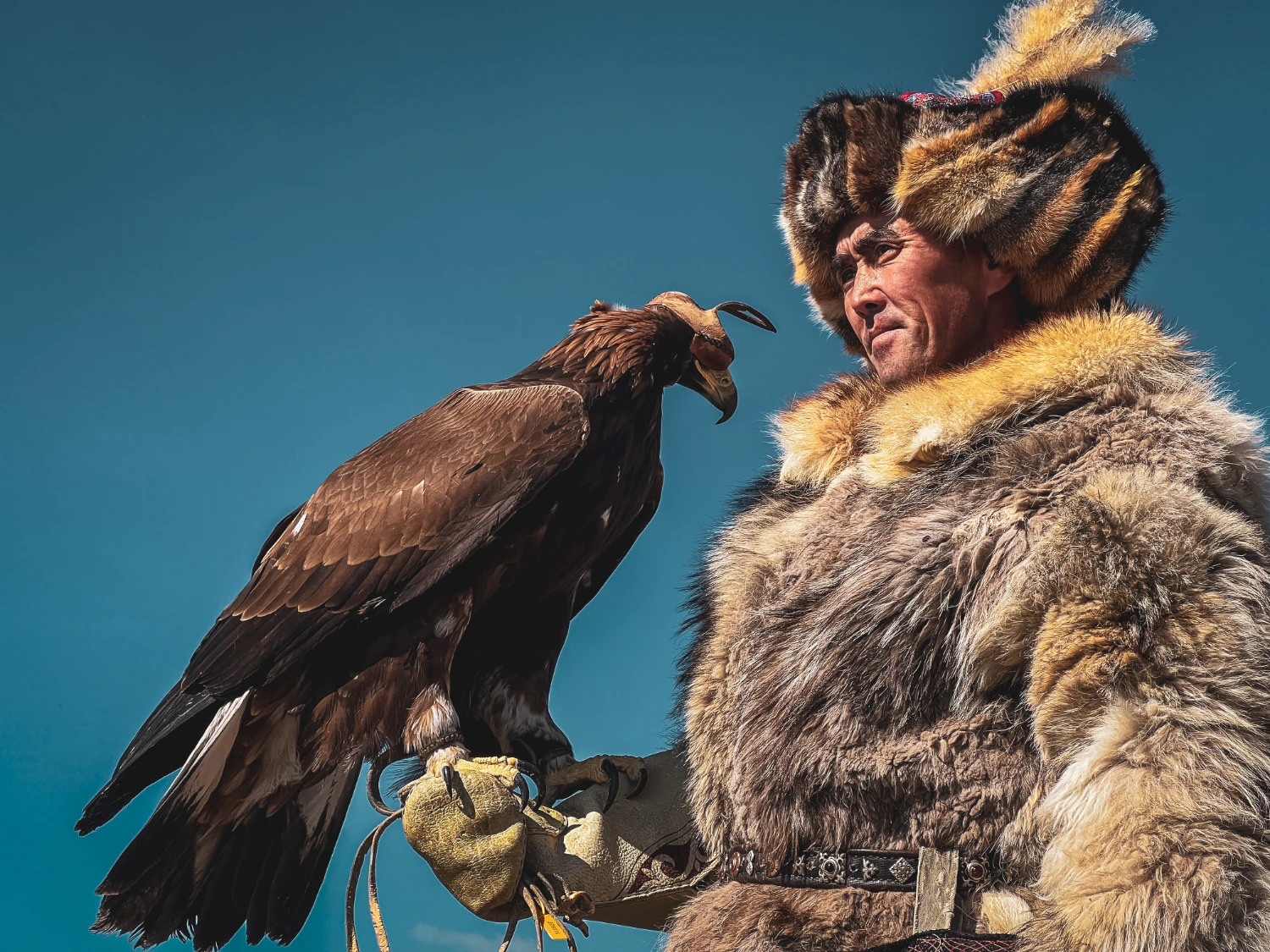
Eagle Hunting (Salburun)
Kazakh and Kyrgyz eagle hunters compete with their golden eagles. The bond between hunter and bird, built over many years together, is something profound to watch in a competition setting.
Kok-Par and Alysh
Kok-Par is individual horseback wrestling for the goat; Alysh is a form of belt wrestling with precise rules and spectacular throws. Both draw enormous, passionate crowds throughout the event.
At the opening ceremony, scanning the national delegations, we noticed something: Switzerland had sent exactly one athlete. We tracked him down. He was an archer who competed because of his lifelong love of horses, and this was already his second Nomad Games. One Swiss passport holder in a stadium of thousands, representing our country at the most unusual sporting event we had ever seen. Only on this journey does that kind of coincidence feel completely normal.
🏡 Workaway: How We Travel Without Burning Through Savings
From Year 1 in Western Europe to our Taiwan stay, Workaway has been a constant companion throughout our motorcycle travel adventure. In exchange for a few hours of help per day (cooking, gardening, childcare, renovation…), hosts offer free accommodation and meals. It’s how we slow down, meet real people, and keep costs manageable.
On Workaway you’ll also find housesitting and pet-sitting missions, which is exactly how we found our first TrustedHouseSitters-style stays before we knew that platform existed. It truly is the Swiss army knife of slow travel.
Taiwan: Motorcycle Travel on Pause, Magic Fully On
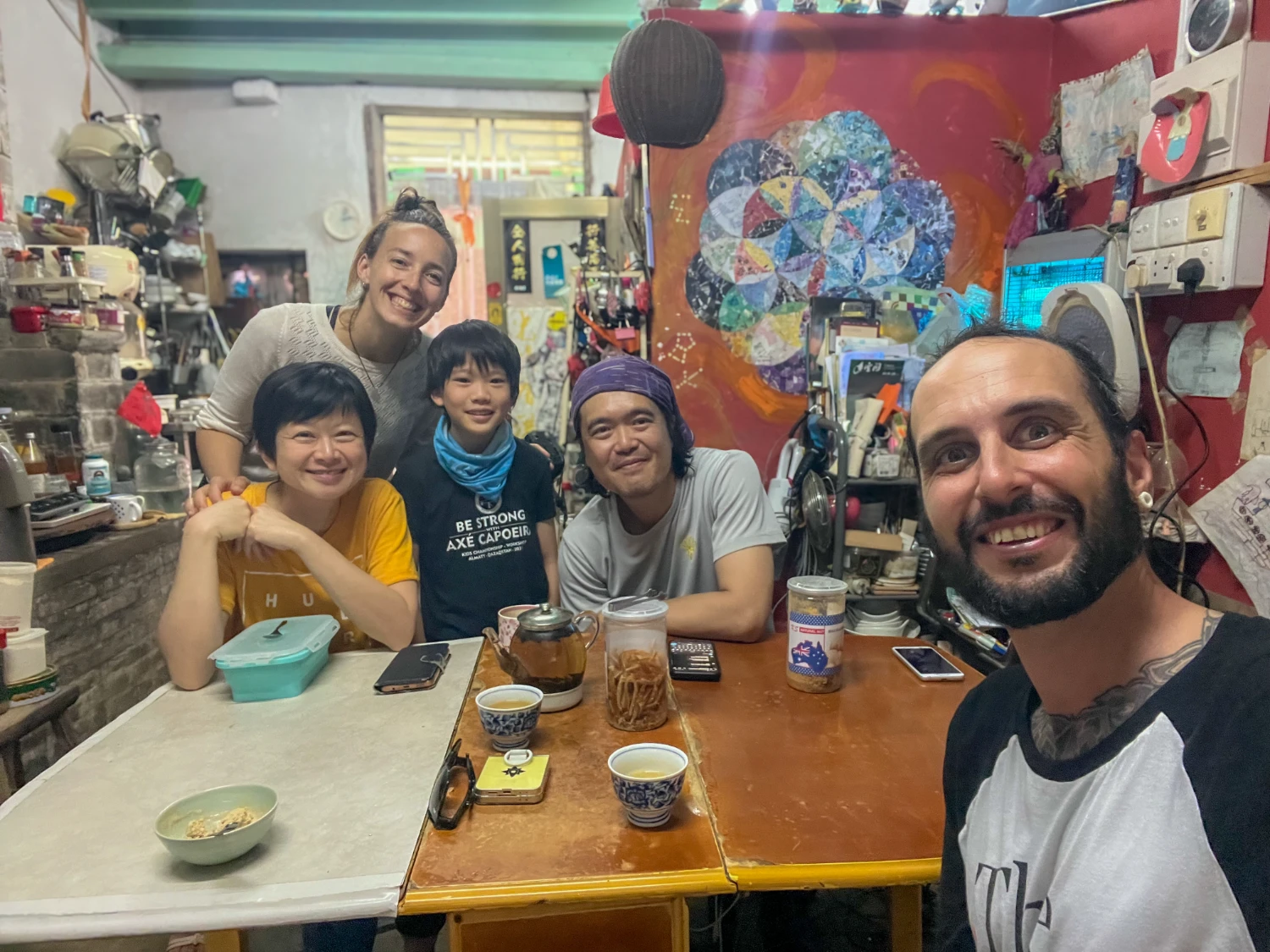
Back in Kyrgyzstan in late September, the temperature was dropping fast. Riding Falkor through a Central Asian winter was technically possible but pointless. We needed a plan. In about twenty minutes, we decided: we parked Falkor at a trusted garage in southern Bishkek (see location) and flew to Taipei on November 25th.
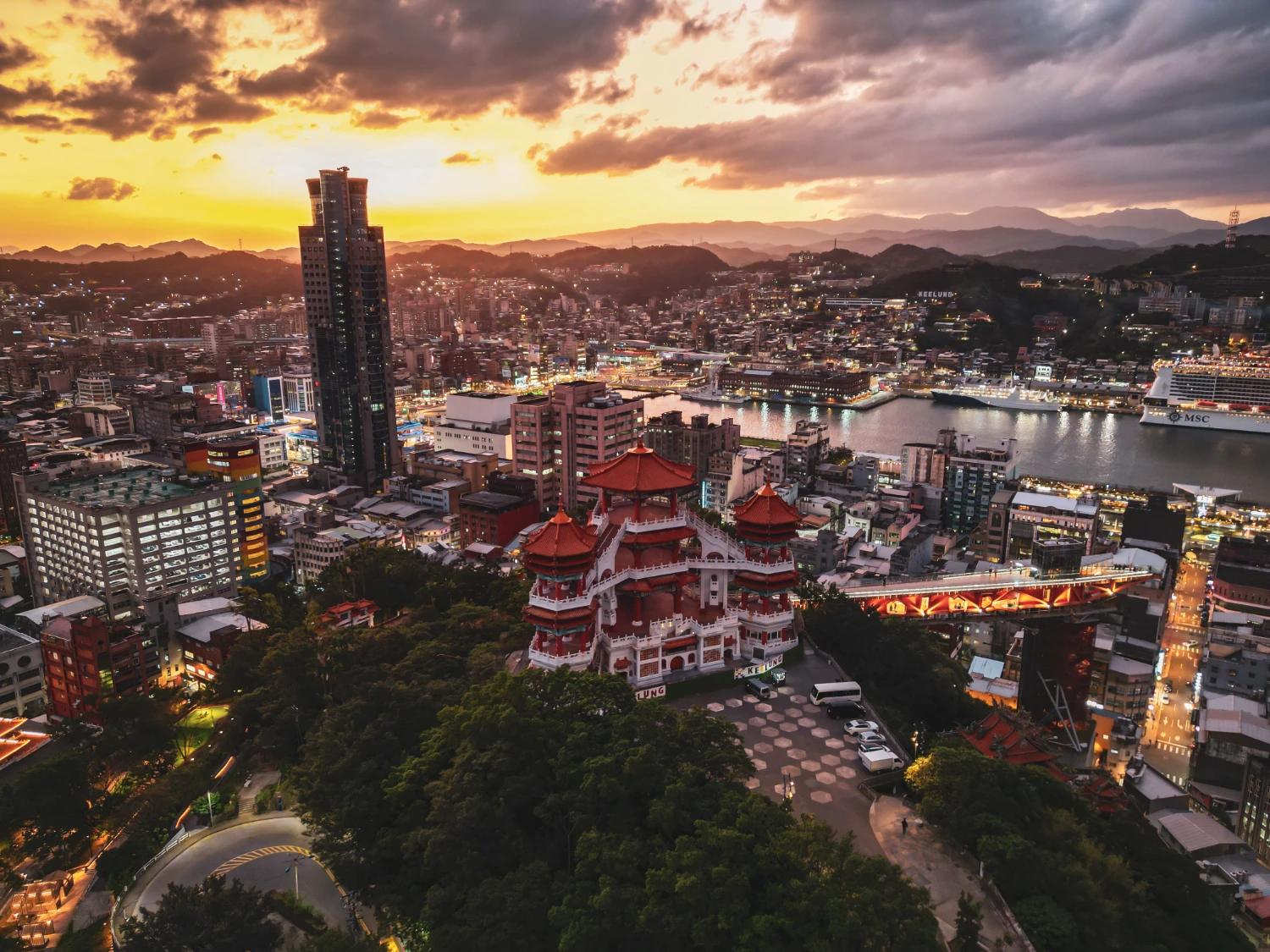
The logic was simple. We had never been to Taiwan with the motorcycle, and we had been chasing bubble tea, the real original kind invented in Taiwan, across every city in Central Asia. The birthplace of our favorite drink was three hours away by plane. It seemed rude not to go. On top of that, we started our first ever Workaway mission in Taiwan’s port city of Keelung, a perfect soft landing into this new world.
From Central Asian Steppes to a Miyazaki Film
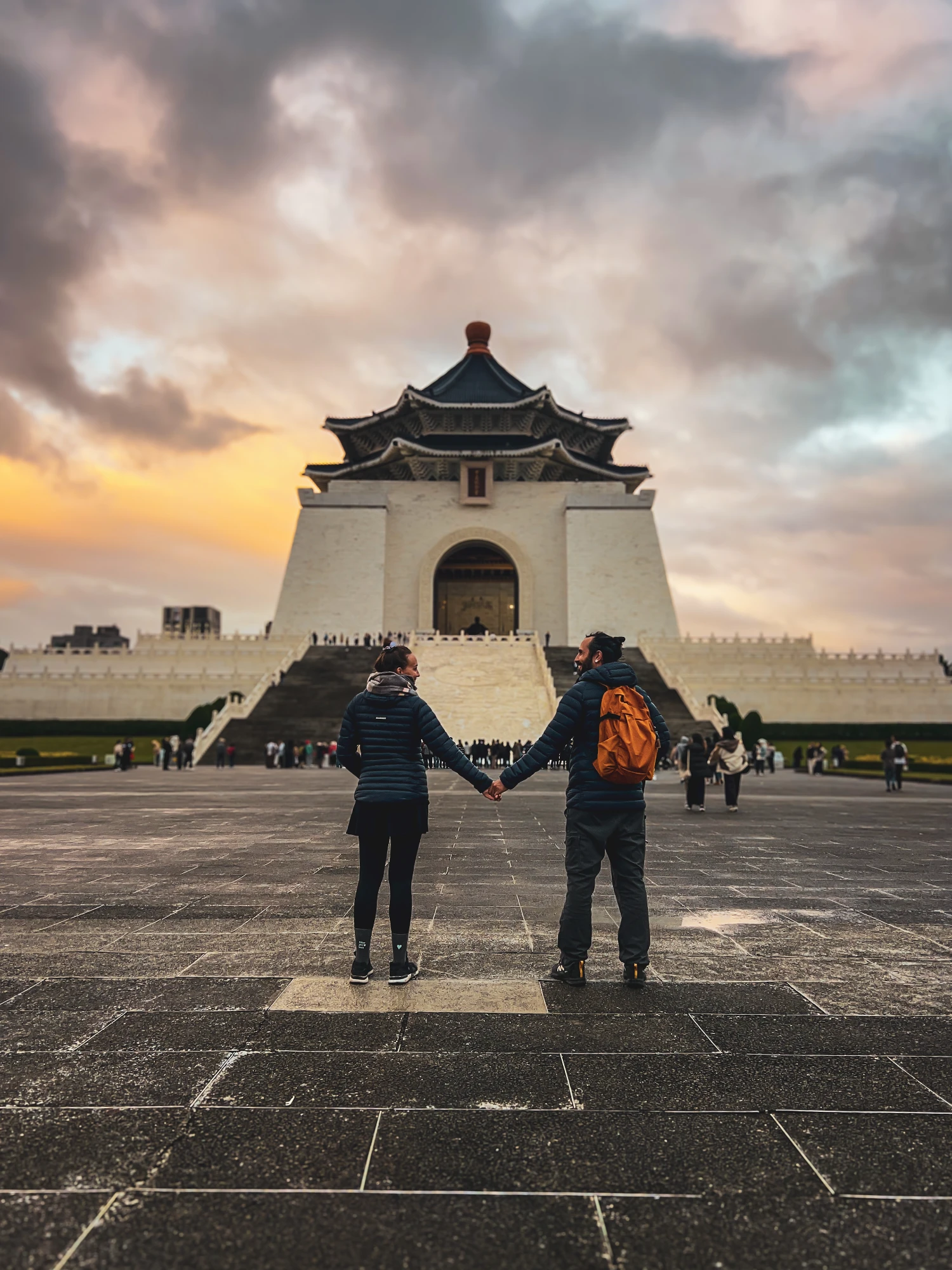
The culture shock was real but wonderful. After months in the vast emptiness of Central Asia, Taiwan was a festival of color, neon, warmth and people. We fell completely and quickly in love.
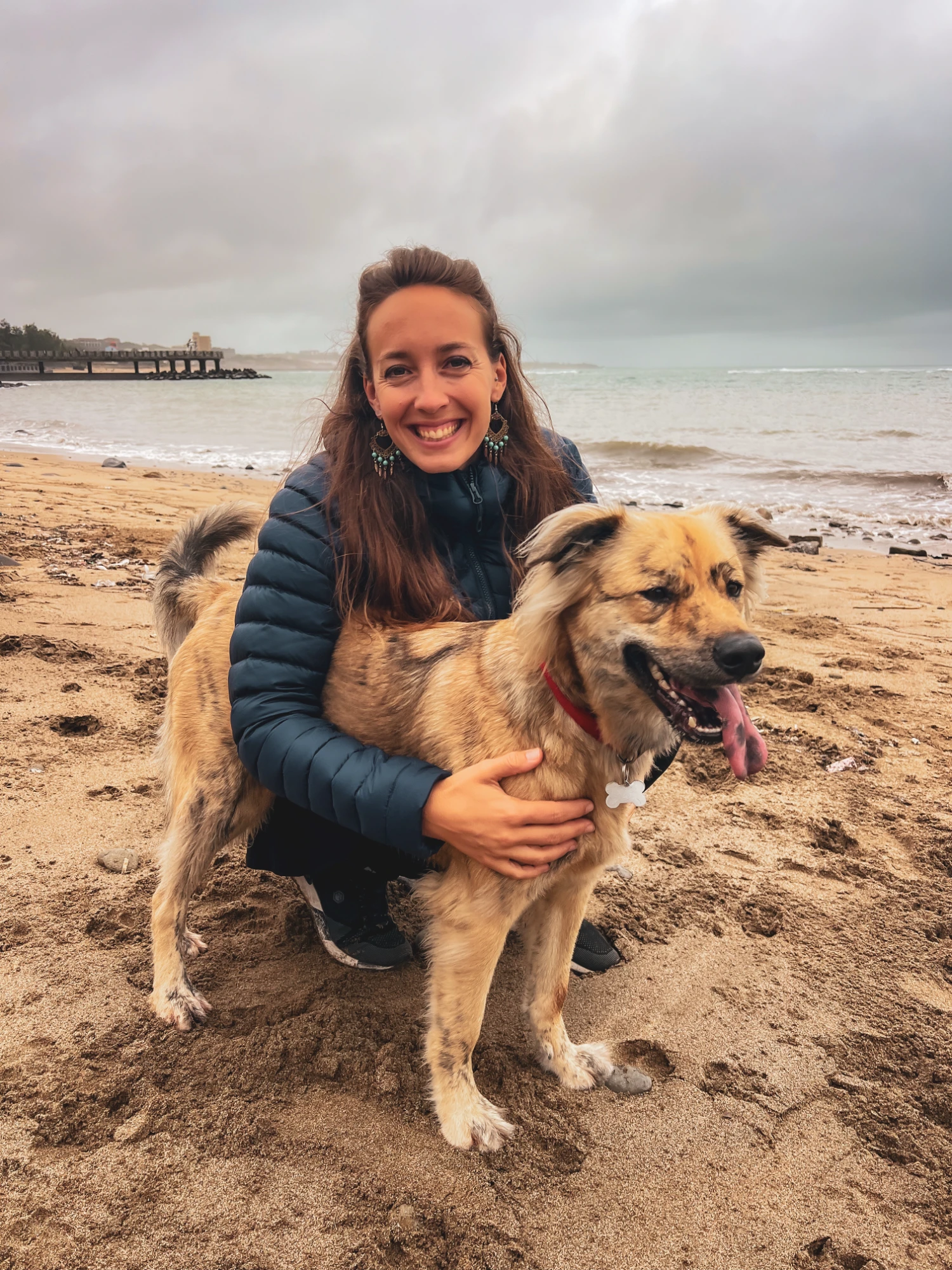
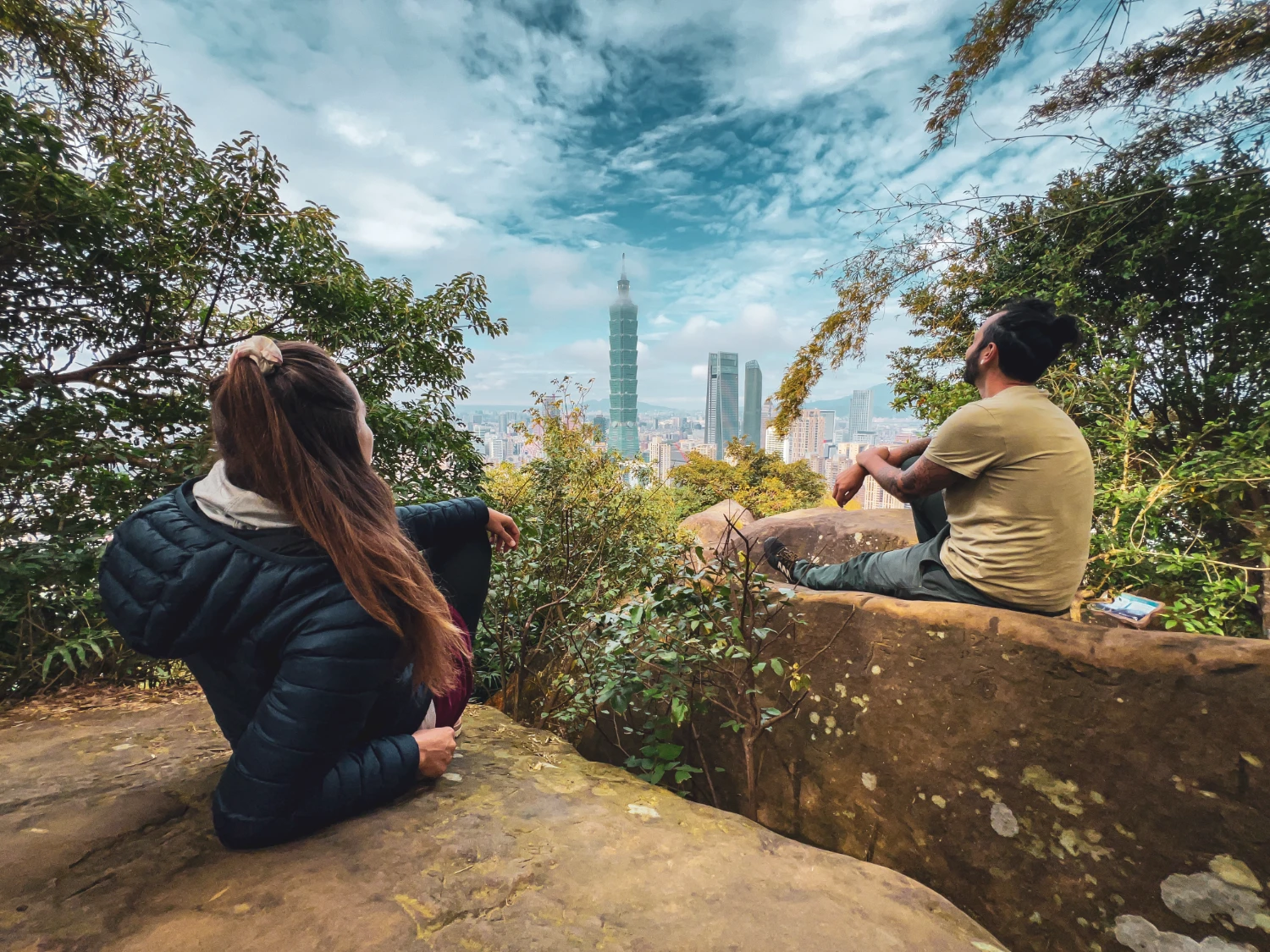
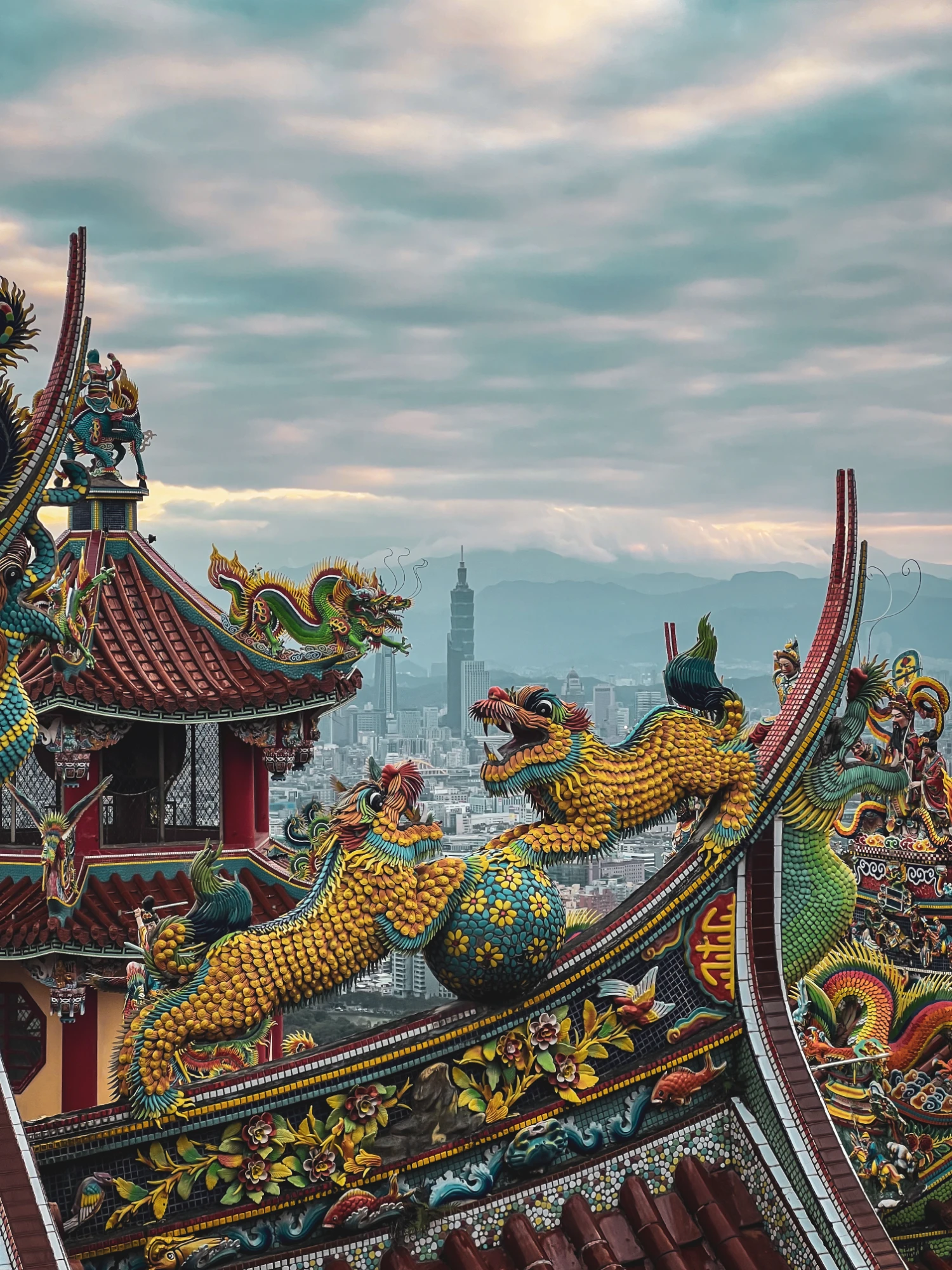
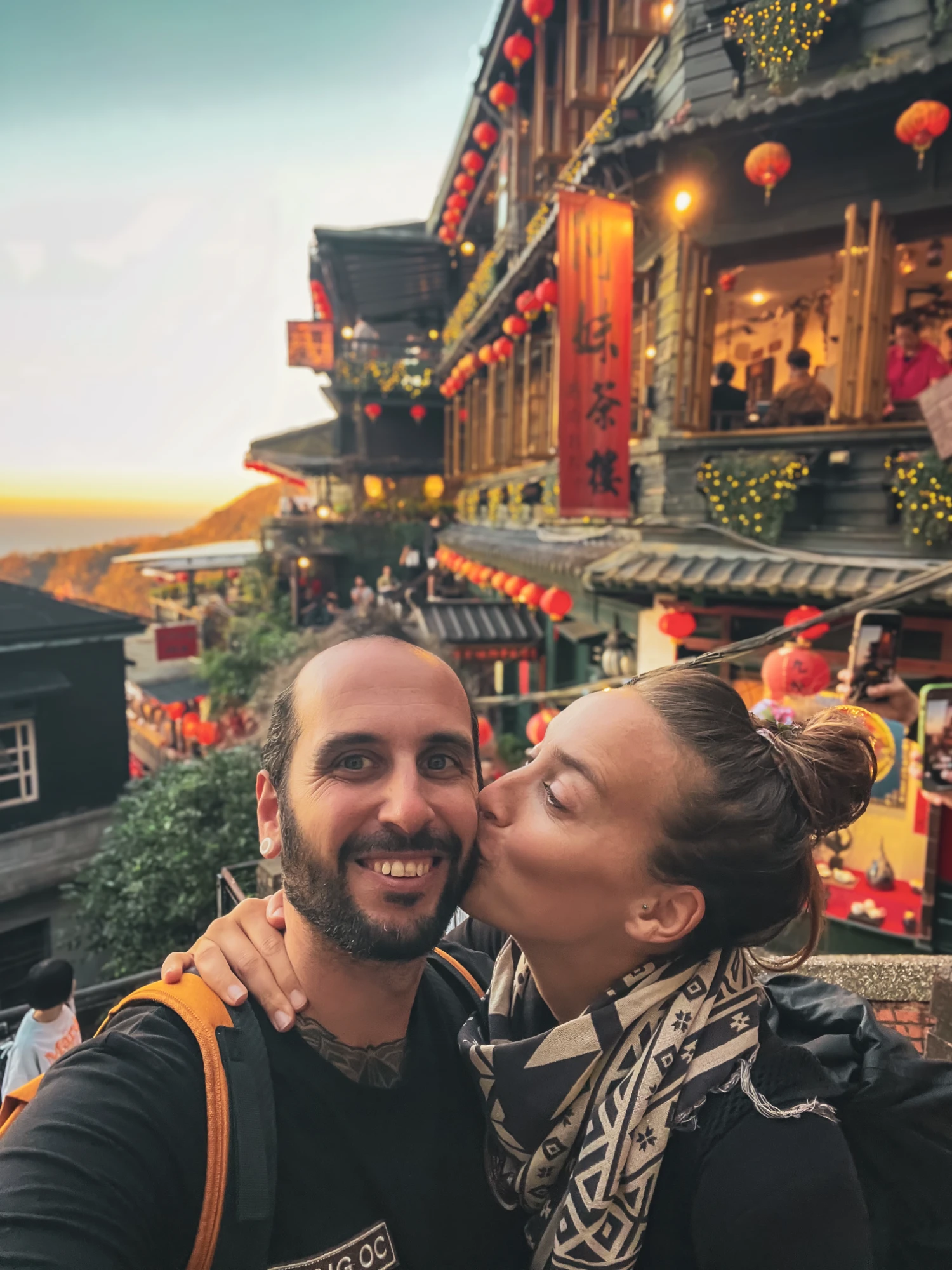
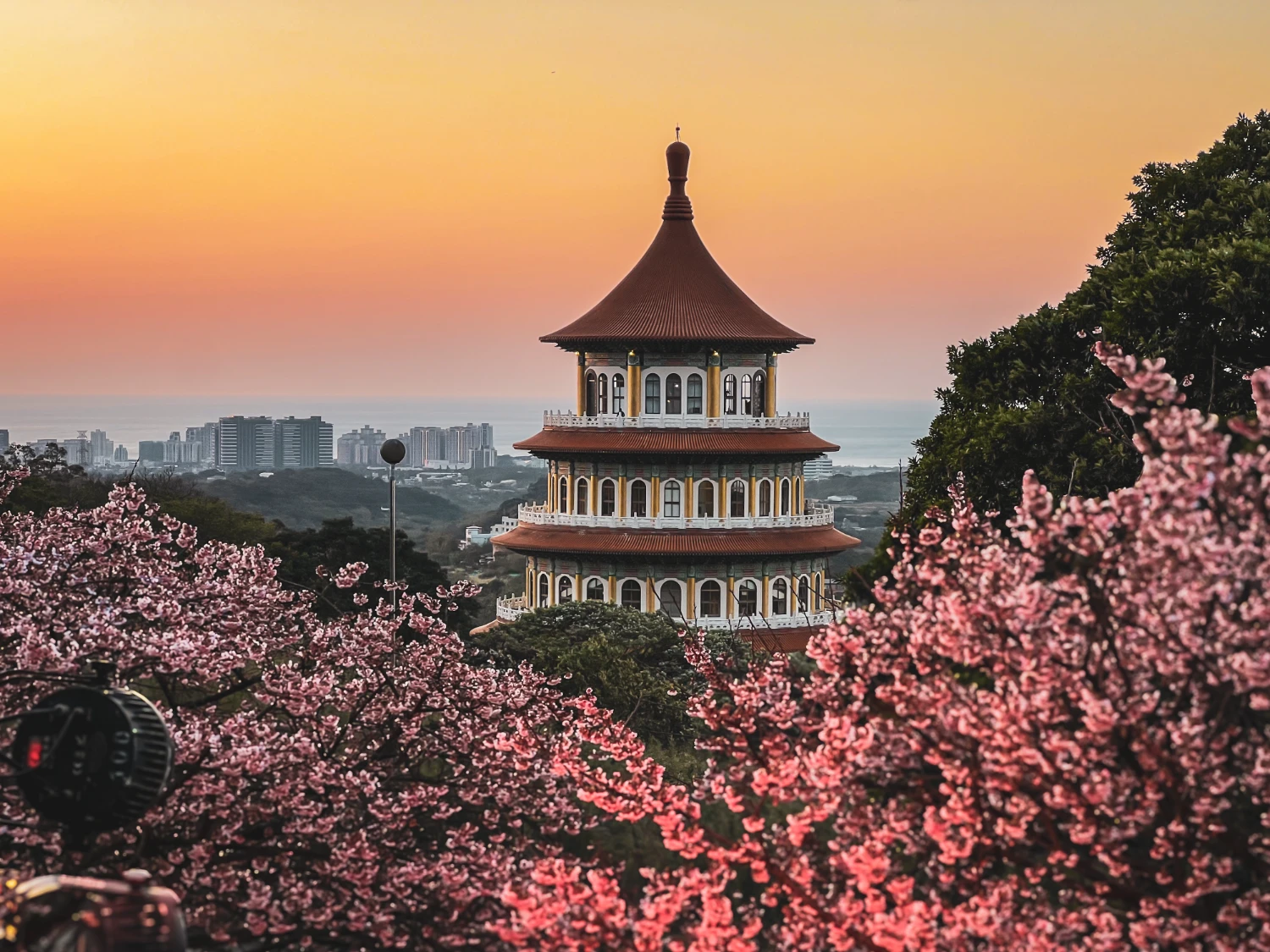
We stayed nearly three months and explored the whole island. Here is what we cannot stop talking about: Jiufen, the mountain village that inspired Spirited Away, with its red lantern-lit lanes tumbling down the hillside. It is one of those places where you half-expect to see Chihiro around every corner. Also the night markets, the Gogoro electric scooters we rented to move around Taipei like locals, and our first TrustedHouseSitters mission, a gorgeous home on the hills of Tianmu, caring for Didi, an extraordinary dog whose calm energy felt like a gift after all that motion.
10 Years of Marriage, One Tiny Island
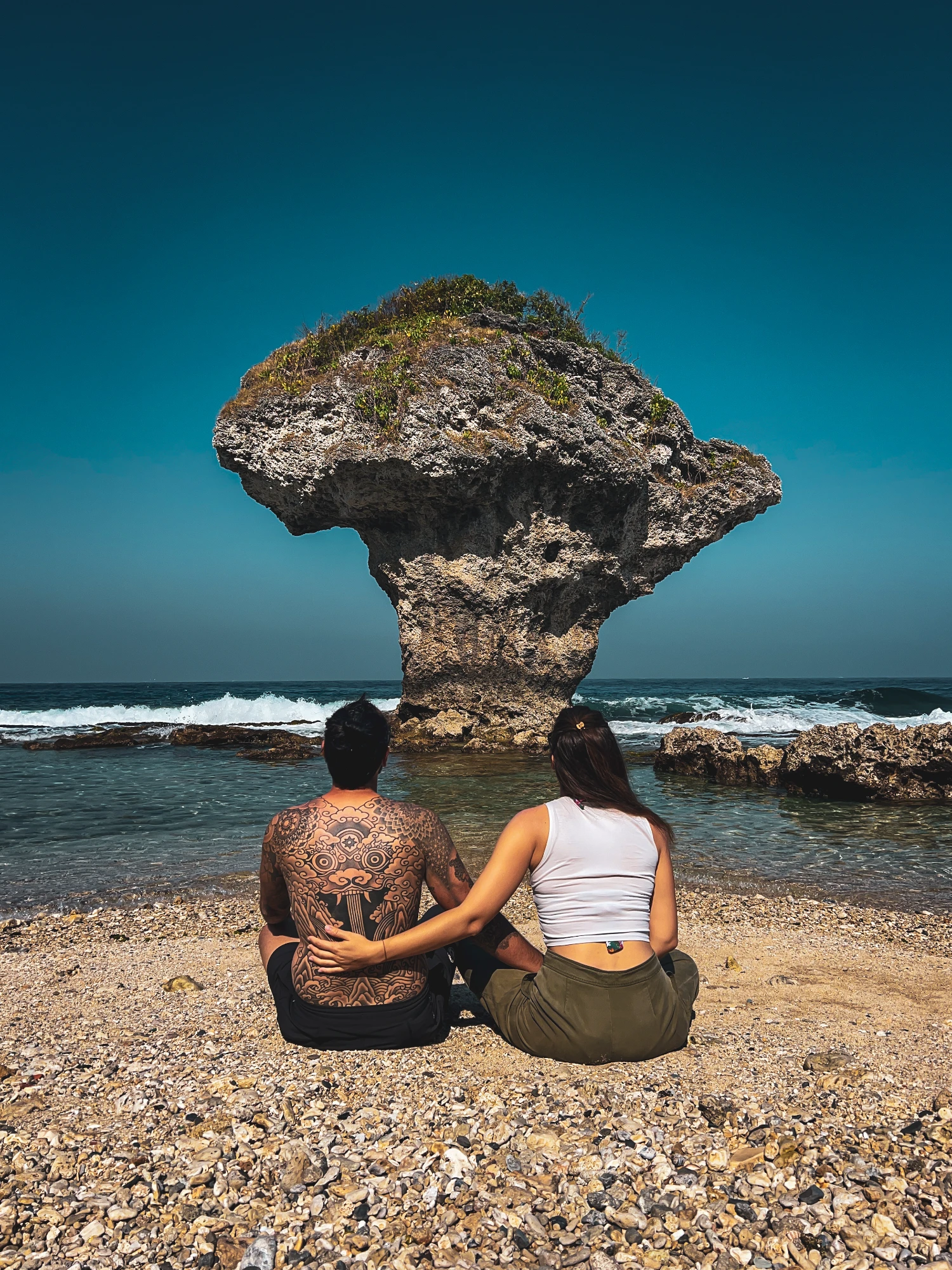
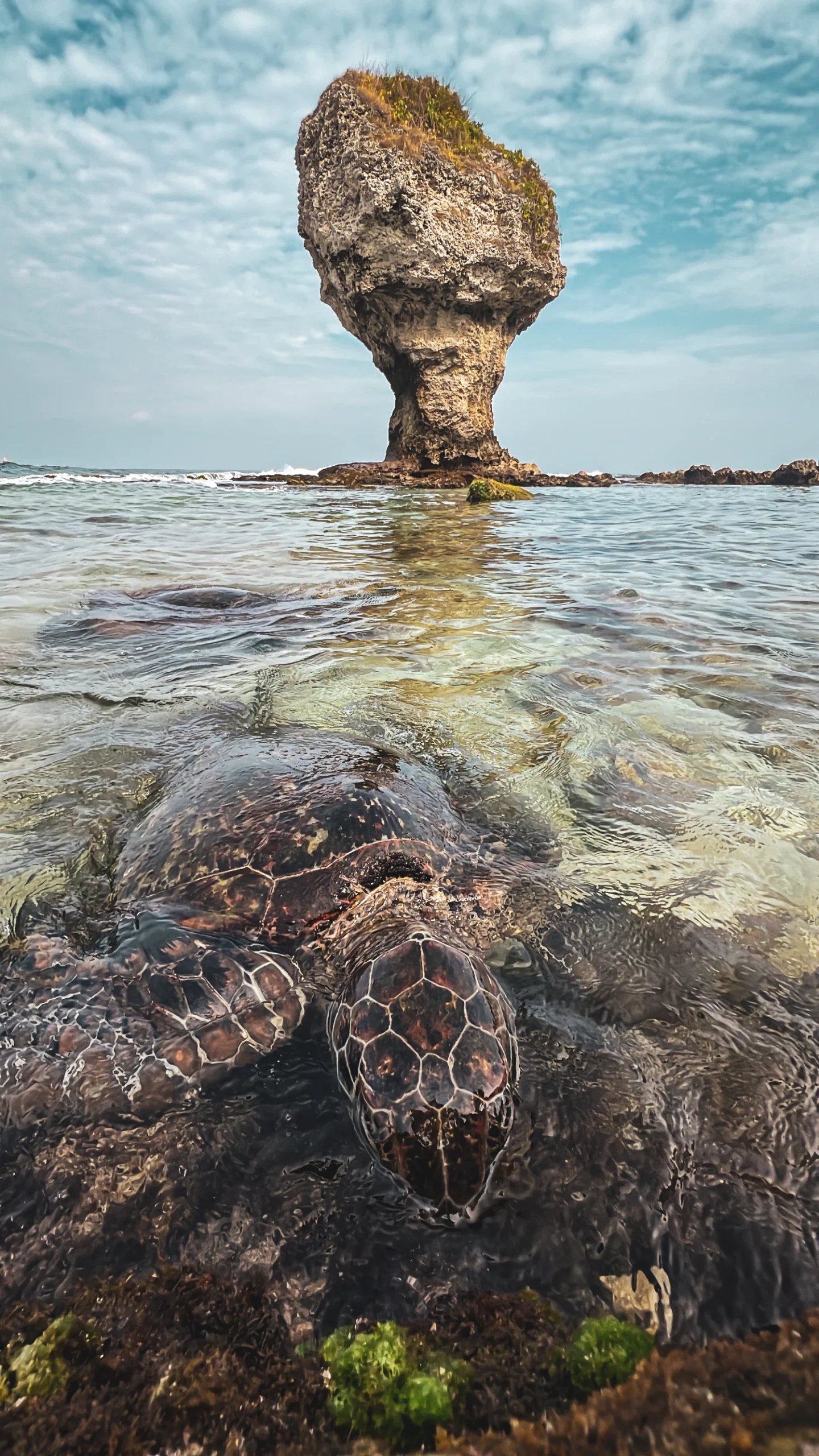
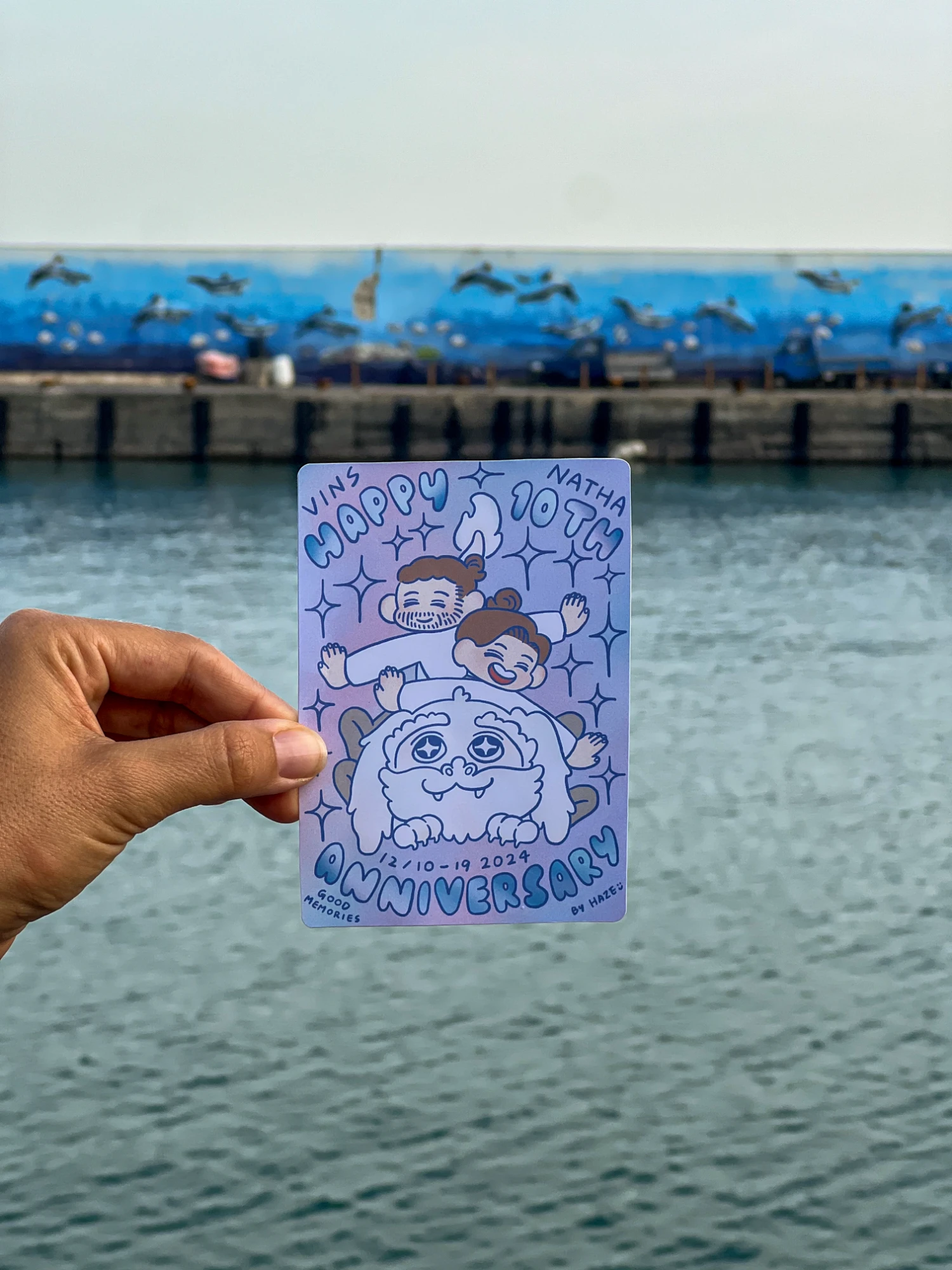
Nathalia surprised me for our 10th wedding anniversary with a secret trip to Liuqiu Island, a tiny island off the southern coast where sea turtles outnumber tourists. She had booked us into a room inside a fake lighthouse with a bathtub the size of a small swimming pool. Twenty-two years together since that skate park in Satigny. Ten years married. We have come a long way from Switzerland.
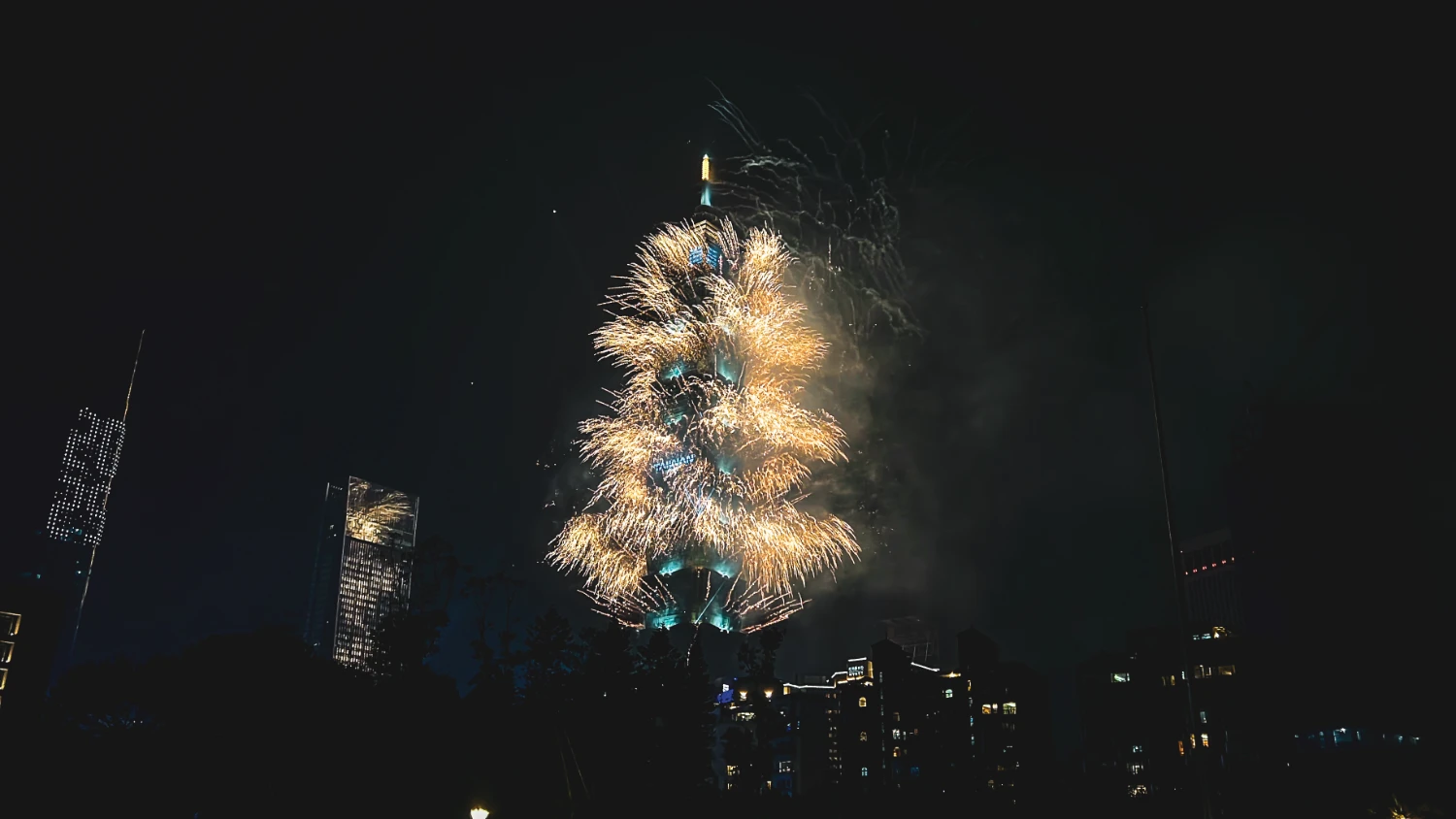
New Year’s Eve: we stood in the crowd in front of Taipei 101 as the building exploded in fireworks from every floor simultaneously. One of the most spectacular things we have ever seen. Then, on December 3rd, buried in our Instagram spam folder, a message arrived that would change the whole year.
« I work for Lonely Planet. I have a project for you. »
It arrived on December 3rd, just before midnight. Eight words, in our Instagram spam folder, from an account we didn’t recognize. It looked exactly like the kind of message you delete without opening. We almost did.
But we replied. We booked a call. On the other end of the line was not a scammer but the Editorial Director of Lonely Planet France, offering us the chance to co-author a book: Moto en Europe — 50 récits pour partir à l’aventure sur les plus belles routes du continent.
We had traveled with Lonely Planet guides during our first round-the-world trip at age 20. Writing for Lonely Planet was the kind of dream you don’t even dare say out loud. On January 17th, 2025, we signed the contract. The book came out on October 16, 2025.
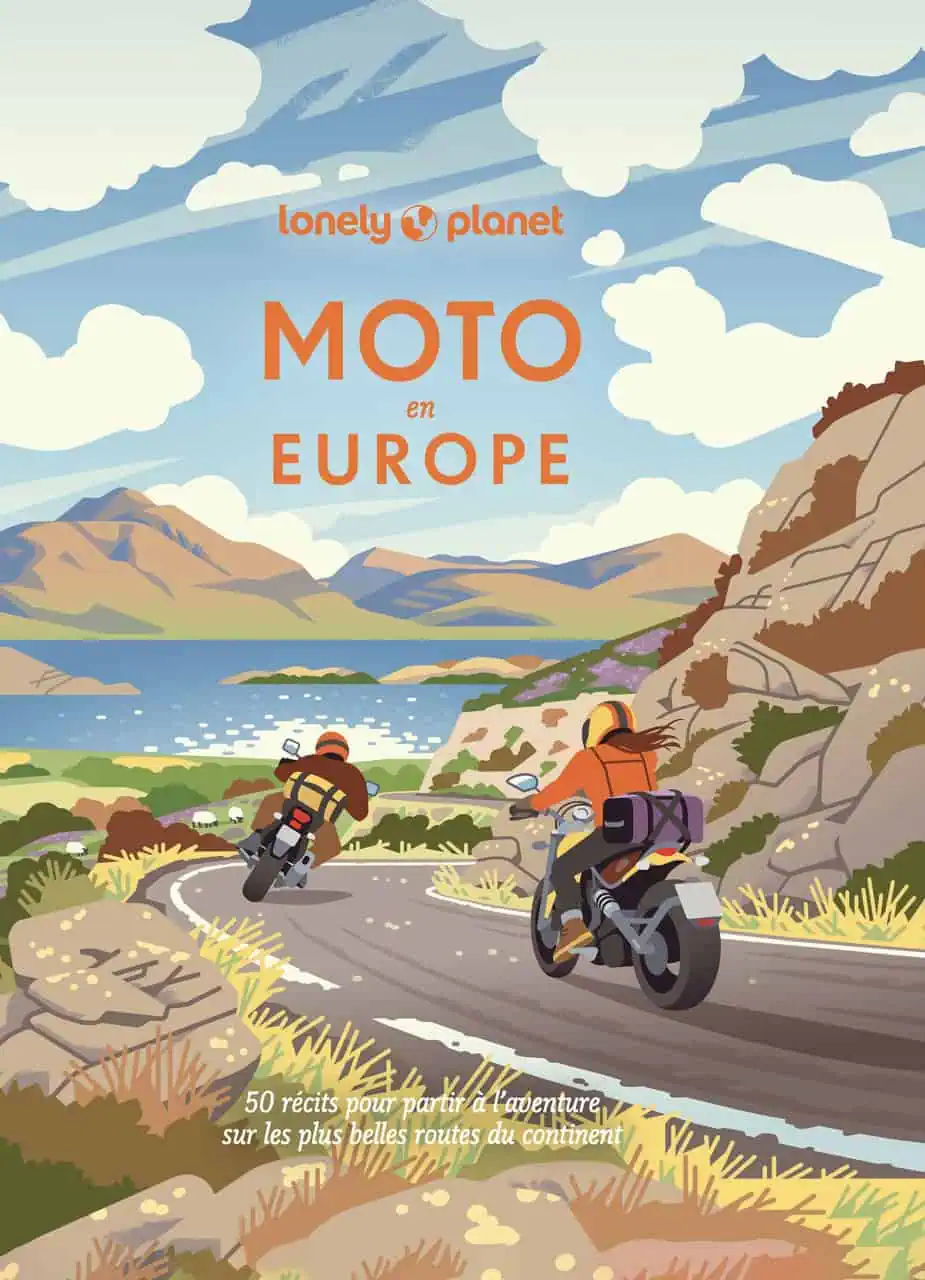
📖 Moto en Europe — Lonely Planet
50 motorcycle adventure stories from the most beautiful roads in Europe. Co-authored by Vins and Natha. The dream we didn’t dare dream out loud.
Okinawa Whales, Hong Kong 16 Years Later
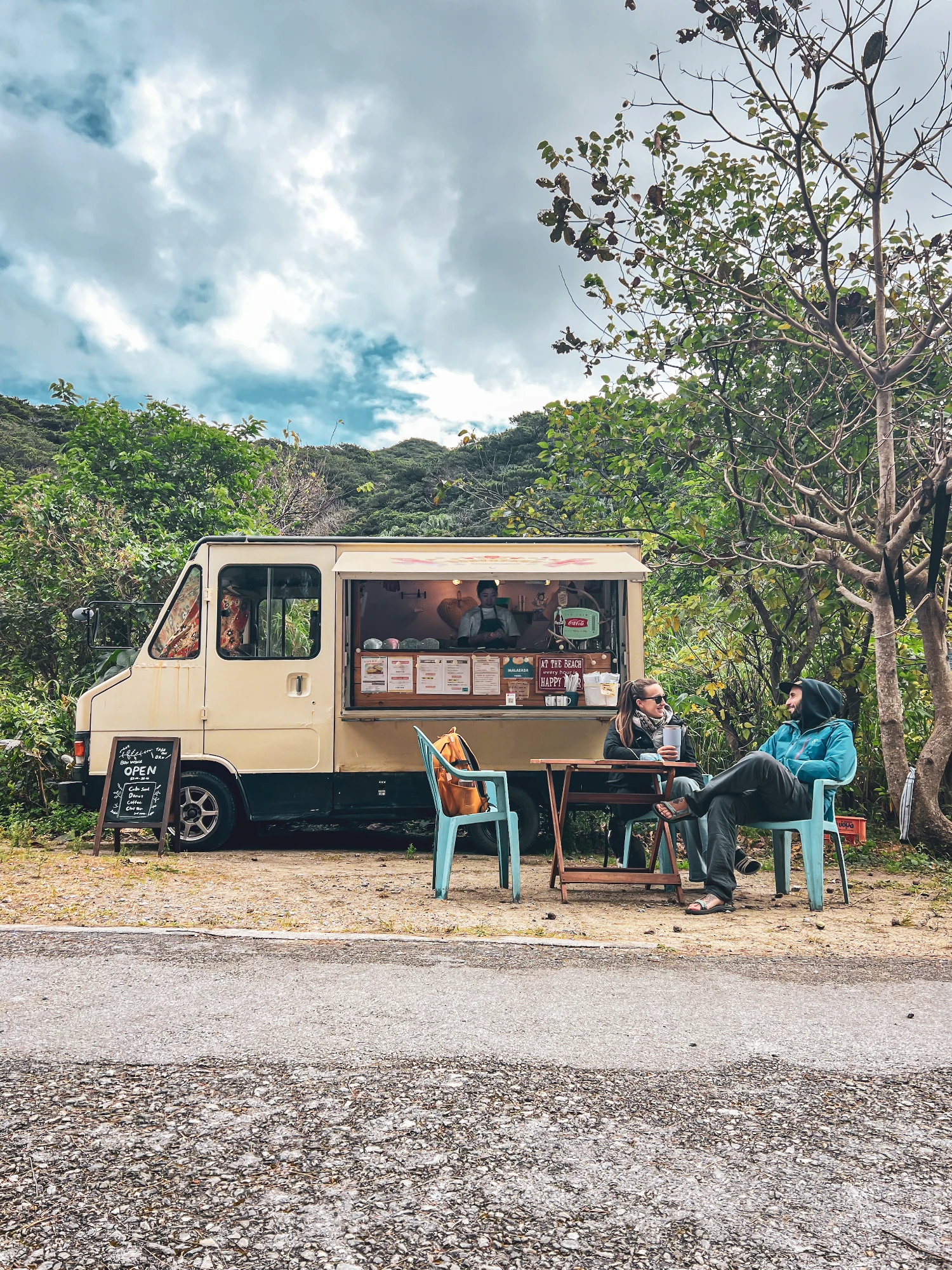
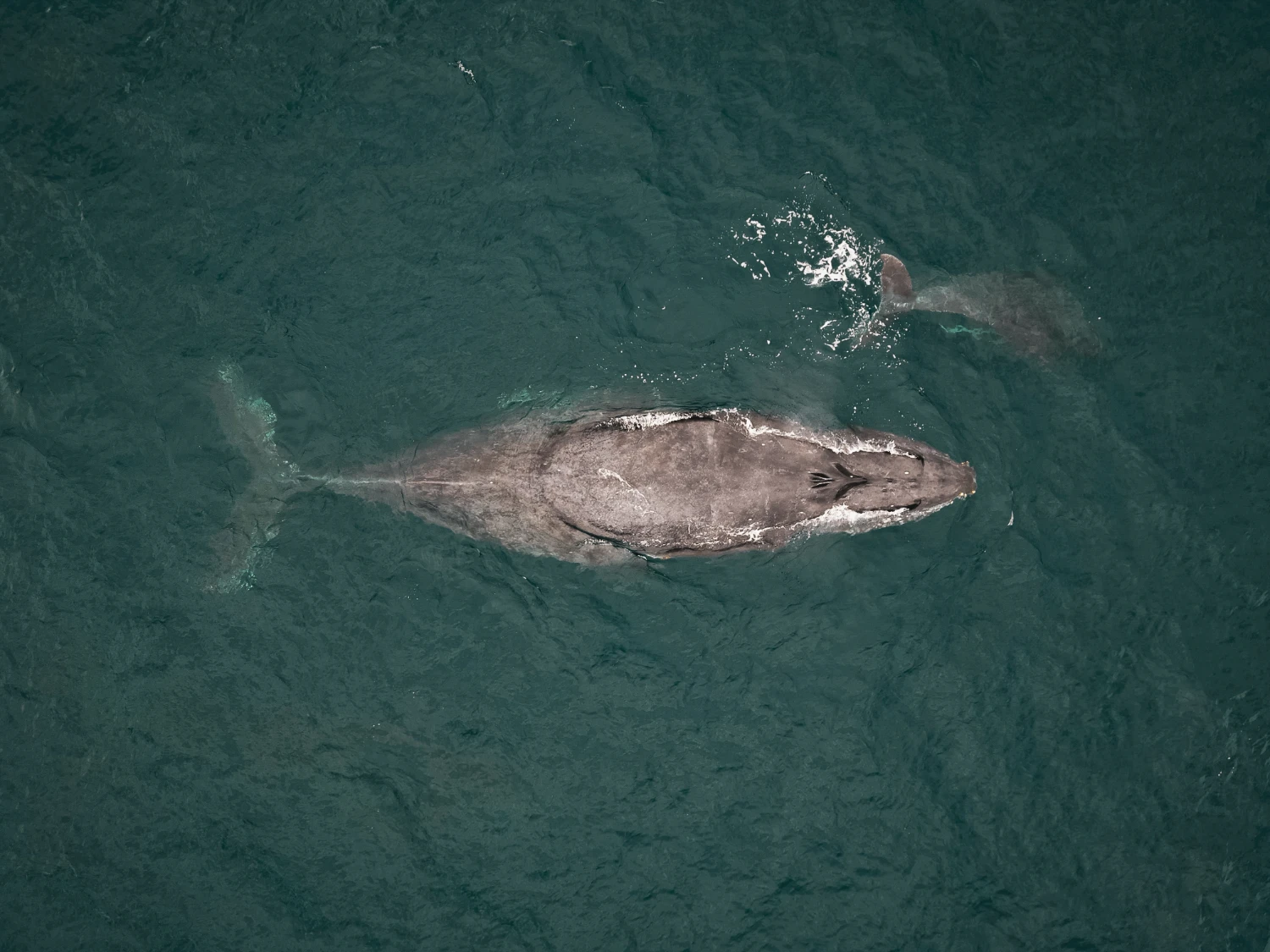
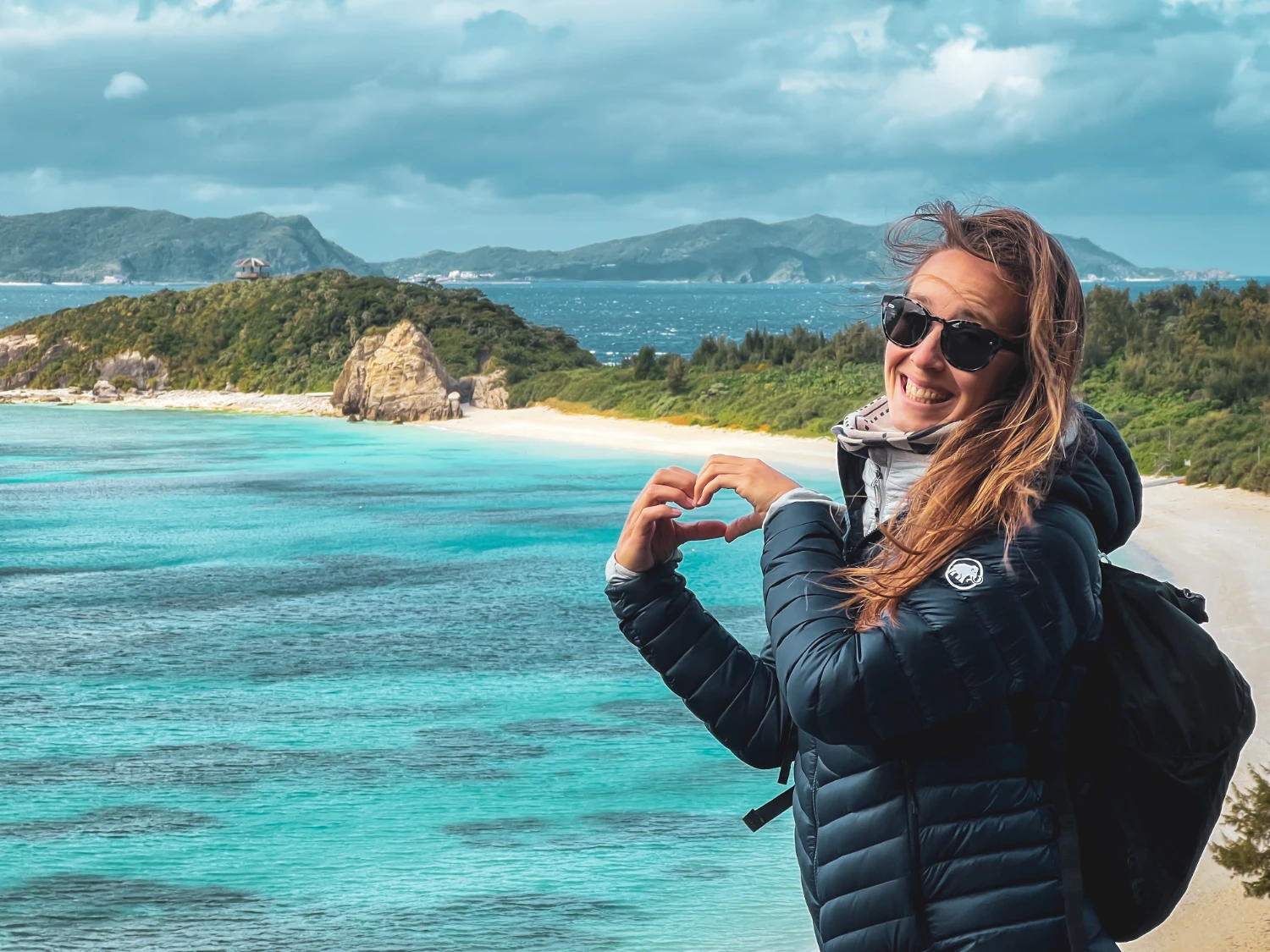
With Taiwan as our base, spontaneous side trips were easy. Okinawa was a last-minute decision for two good reasons: the flights were cheap from Taiwan, and it was humpback whale migration season. We found ourselves on a small boat off the island of Tokashiki, watching whales breach in the January sunlight.
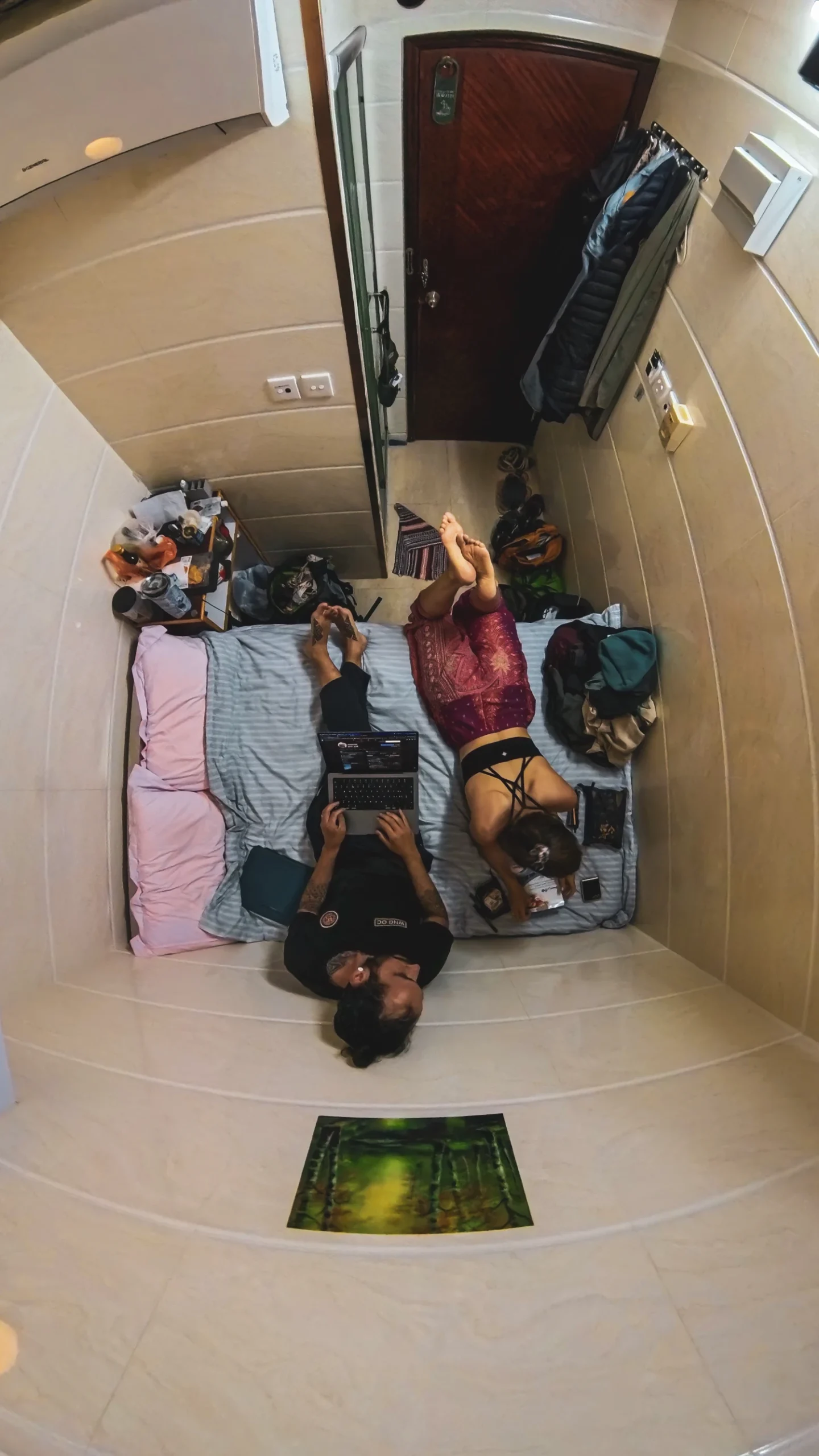
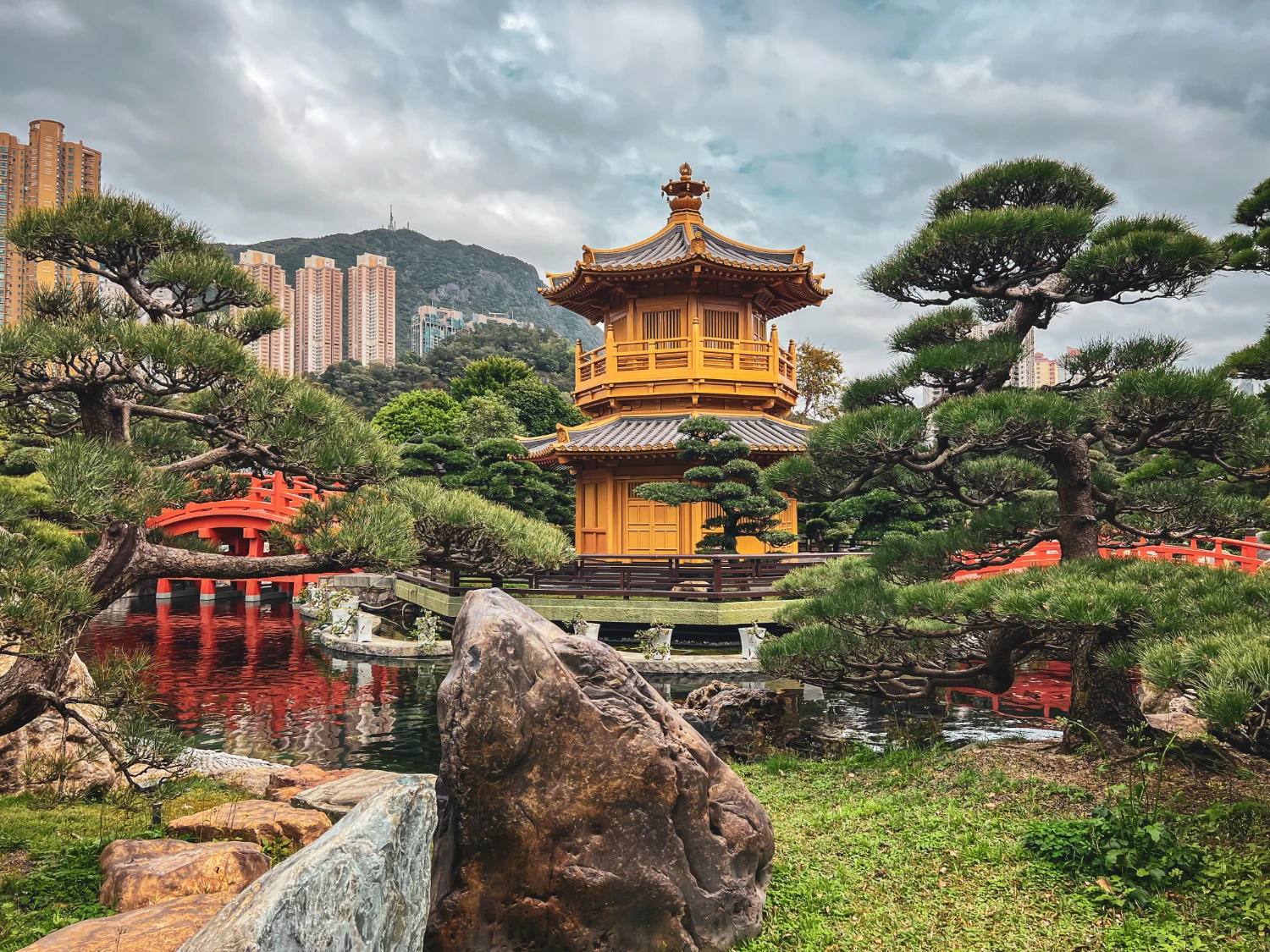
Next came Hong Kong, our first return since our round-the-world trip in 2009. We had spent two weeks there at 20, navigating Kowloon’s neon labyrinth with paper maps and zero smartphones. Sixteen years later, we somehow ended up staying within 50 meters of our old room. Same port, same golden hour, same vertigo from all those glass towers crowding the harbor. Hong Kong hits differently when you can remember what it was like to see it for the very first time.
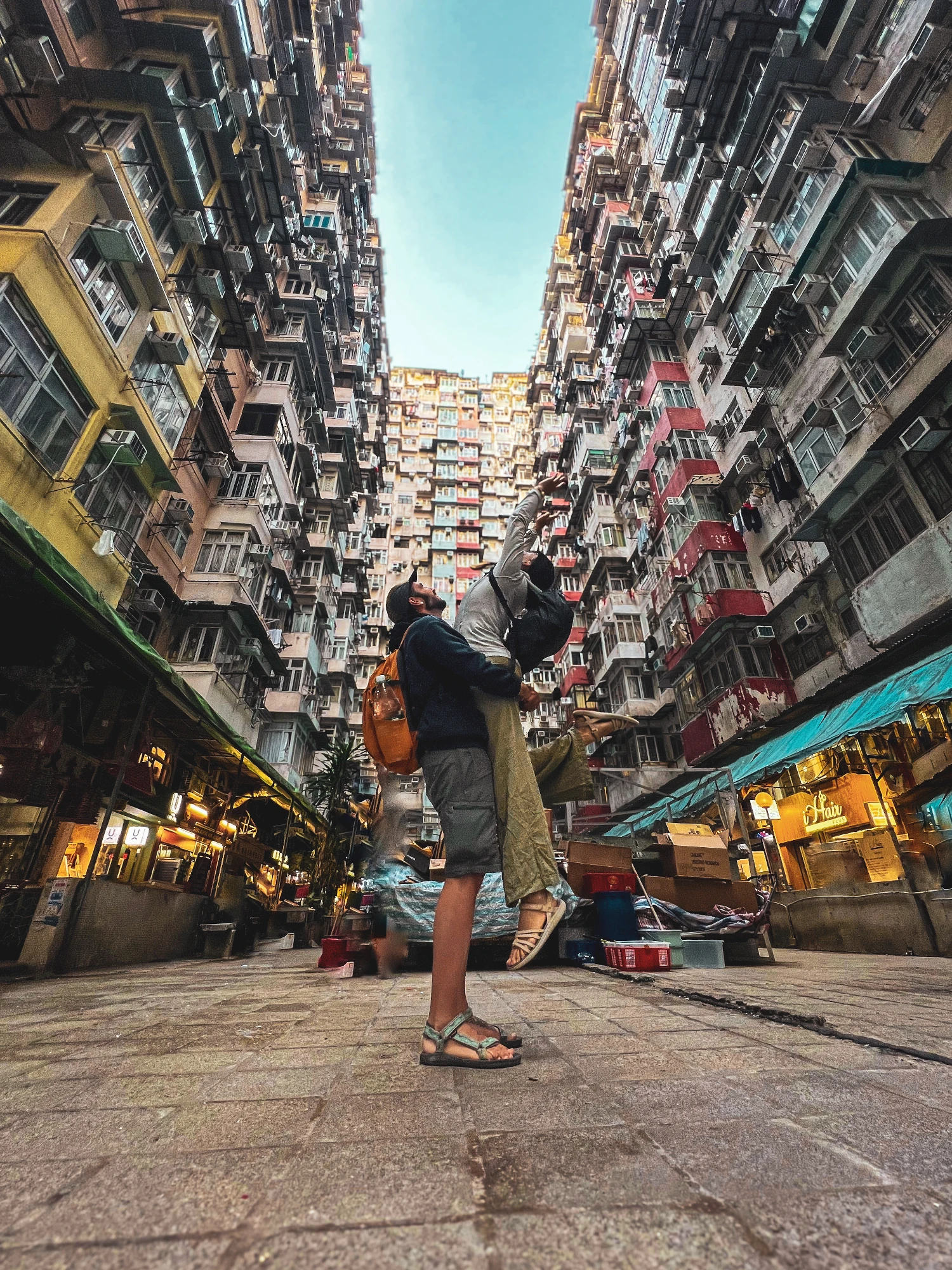
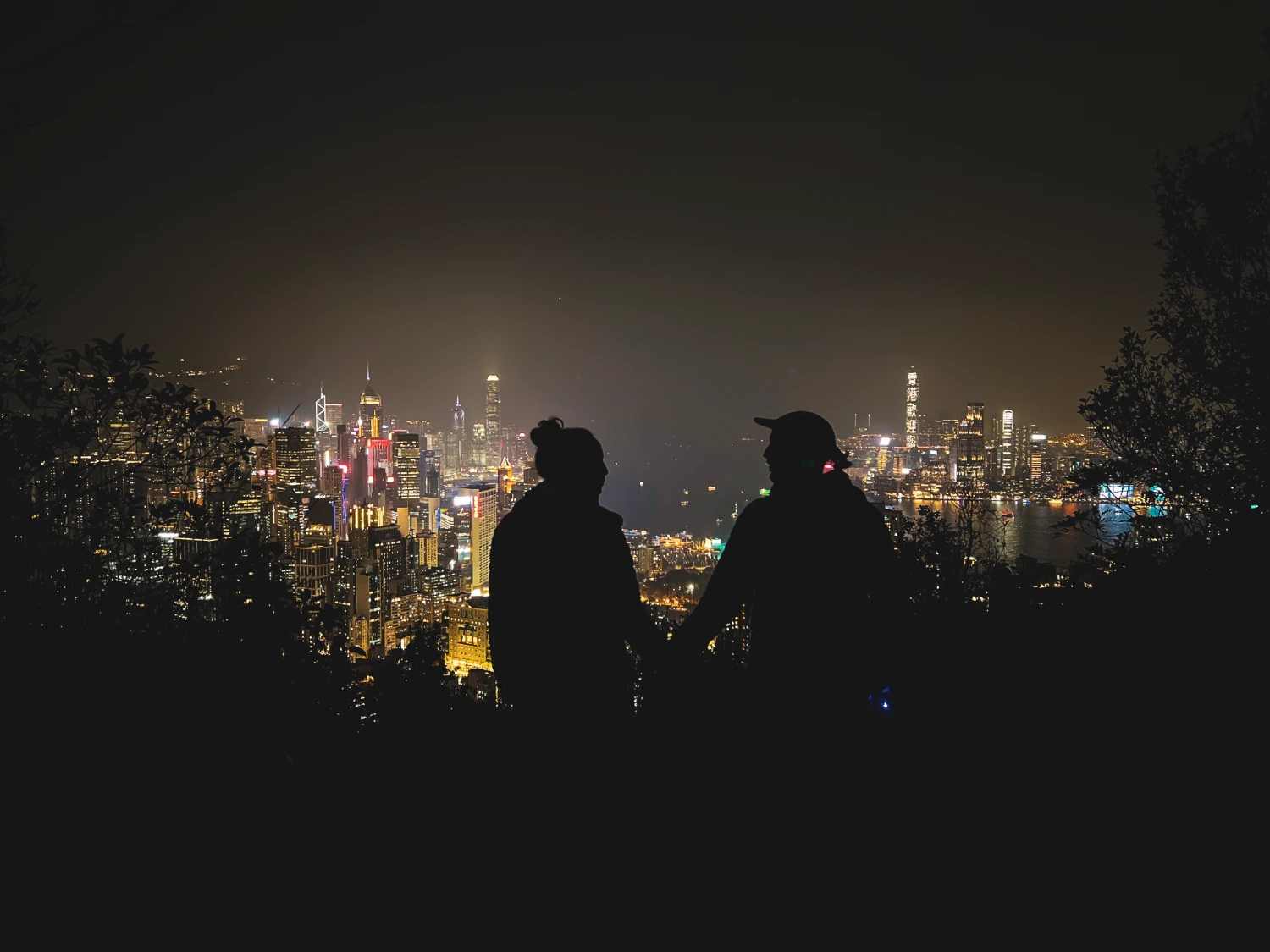
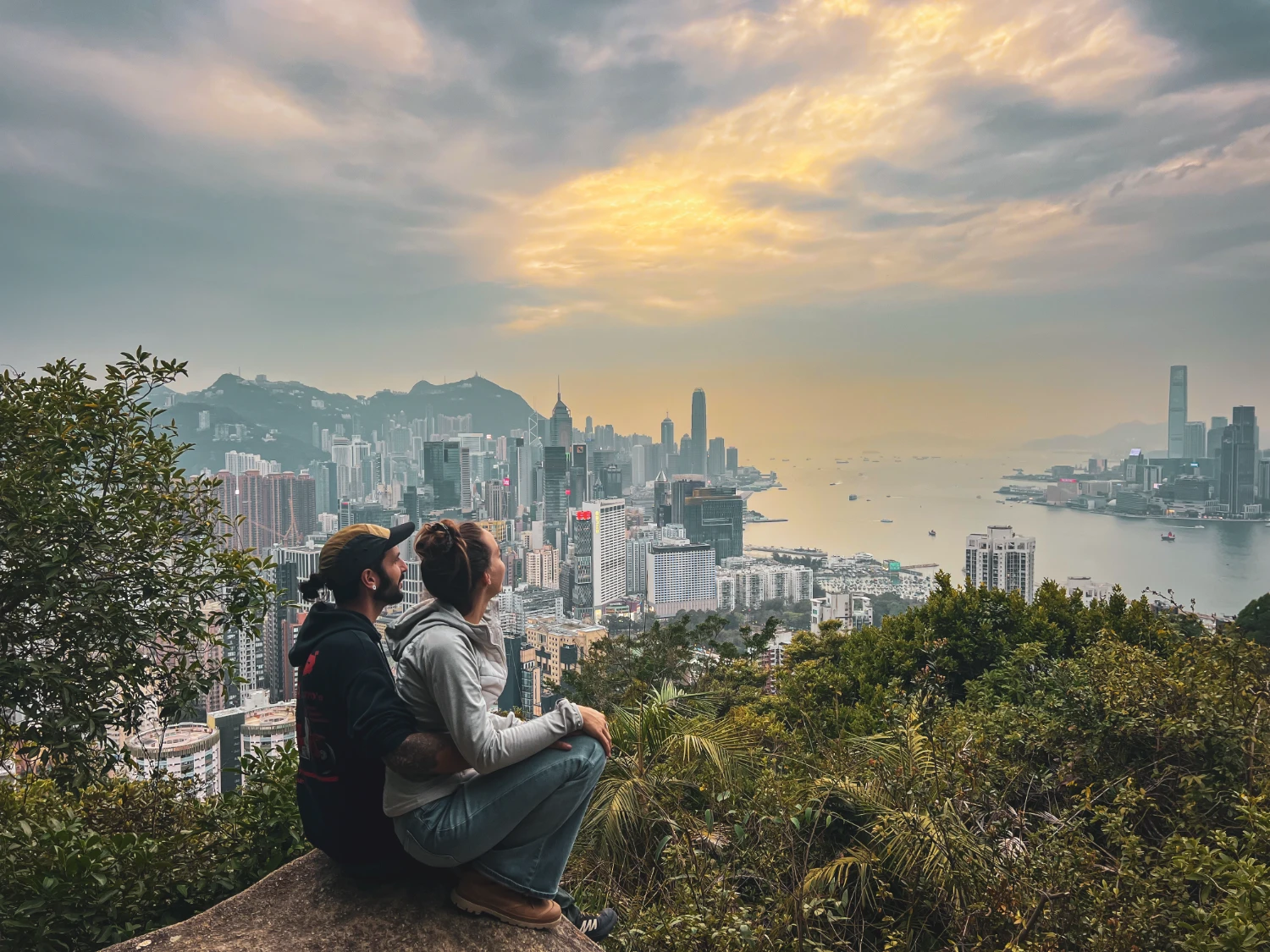
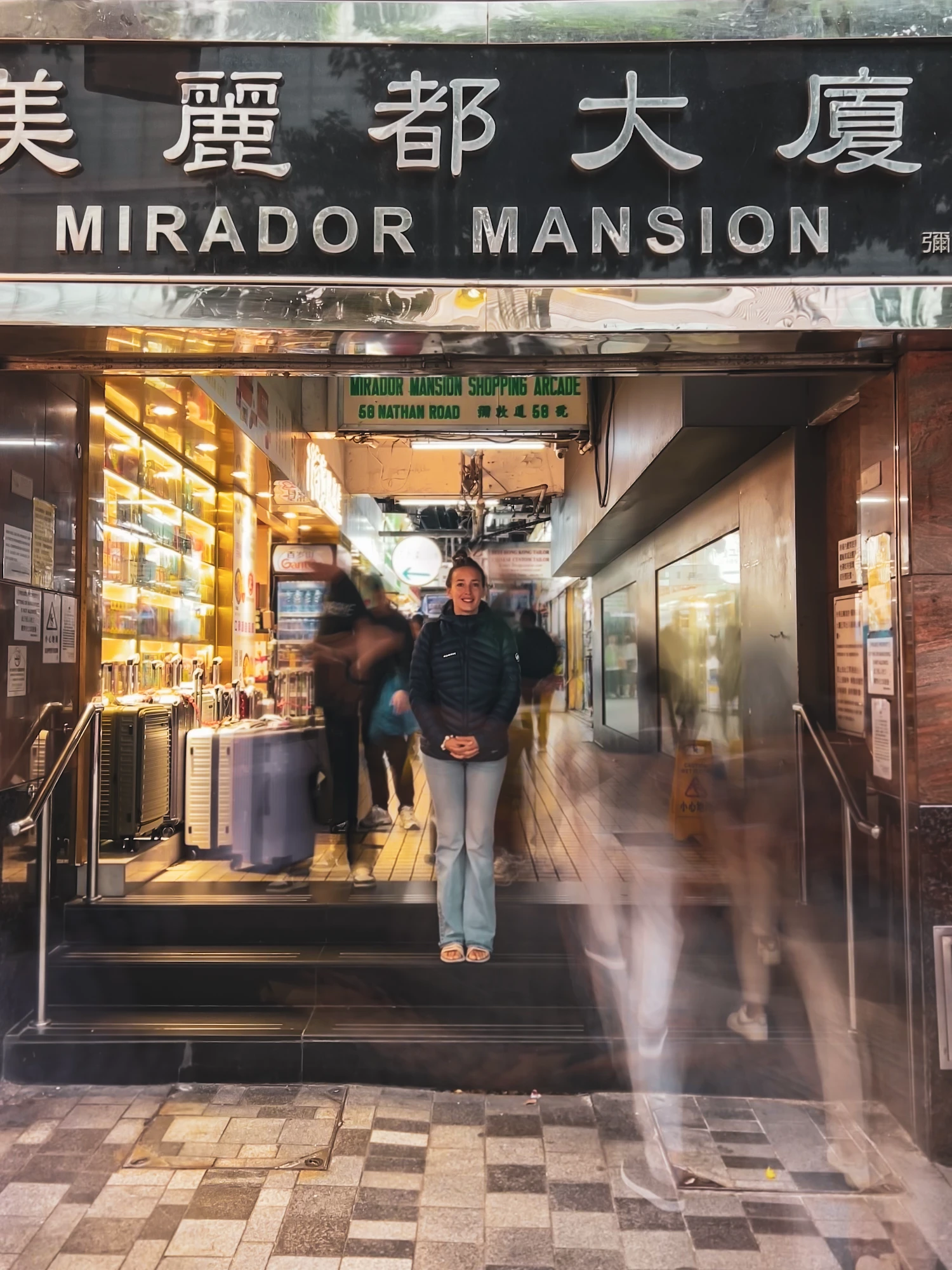
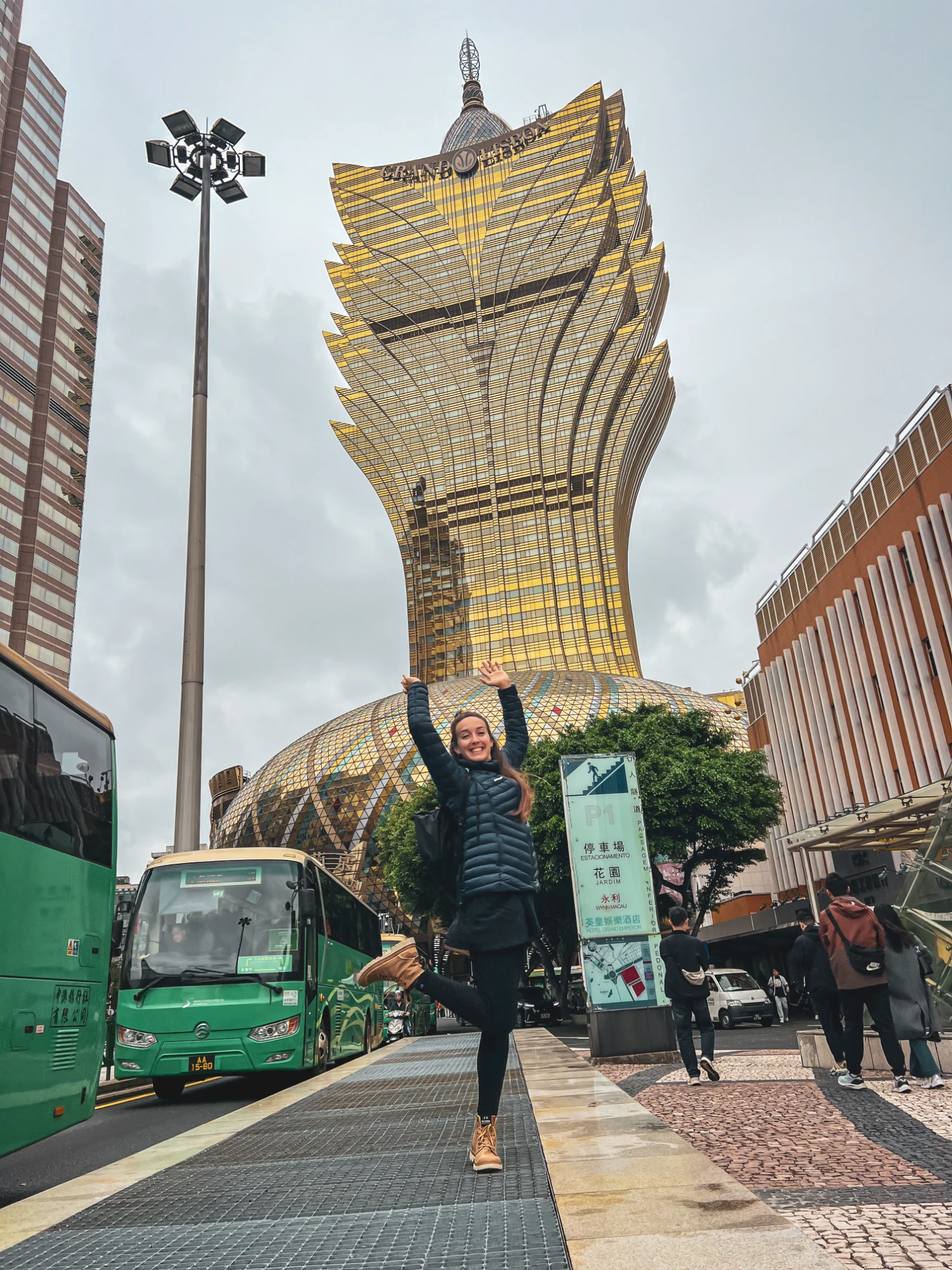
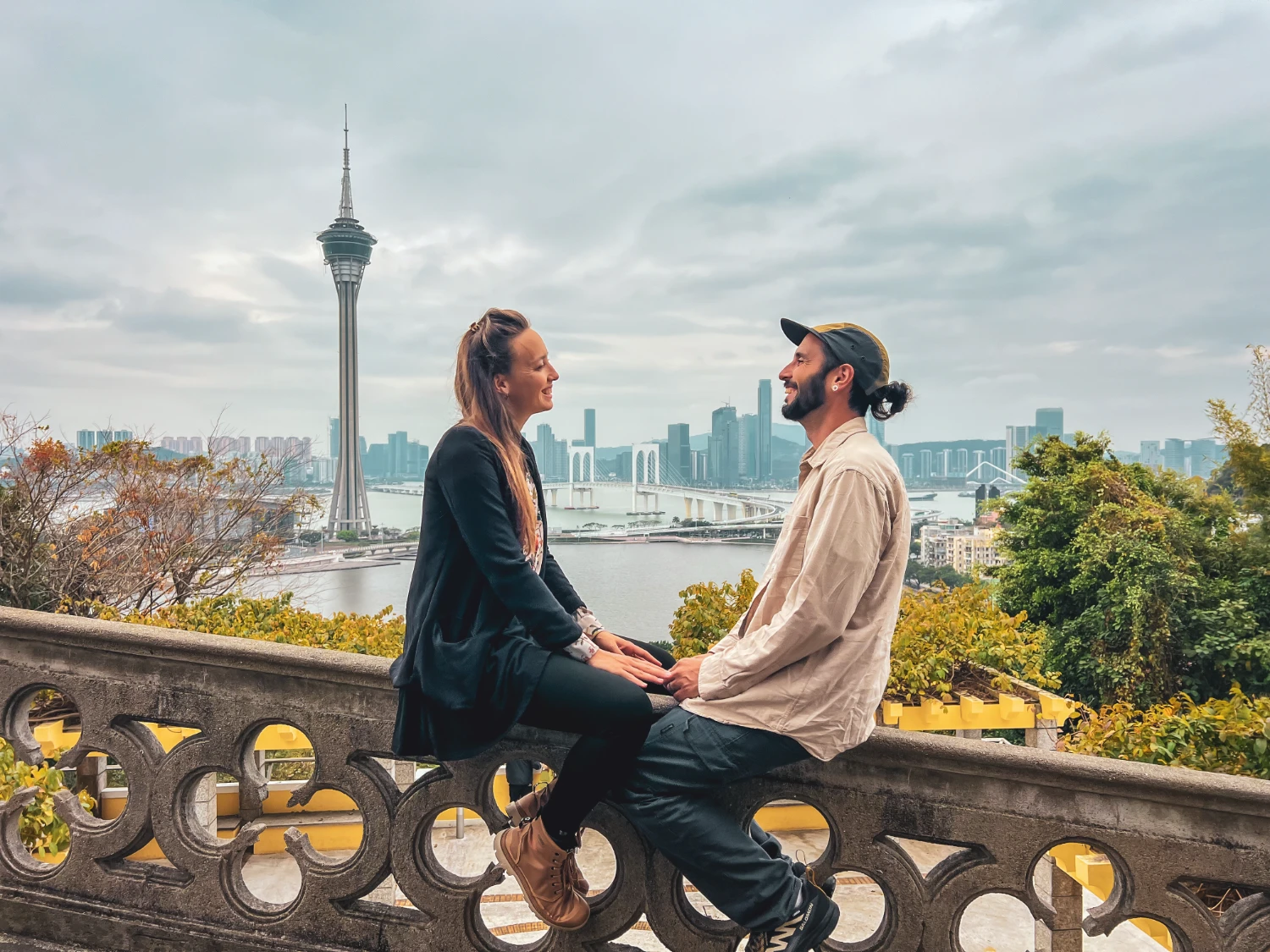
For Vins’ birthday, we took the ferry to Macau. If you haven’t been: Portuguese colonial buildings, pastel de nata at every corner, casinos the size of small cities, and bubble tea larger than your head. We ate pastéis de nata approximately every 200 meters. We went to a casino. We won nothing. We regret nothing.
109 Days in China: The Country That Broke All Our Assumptions
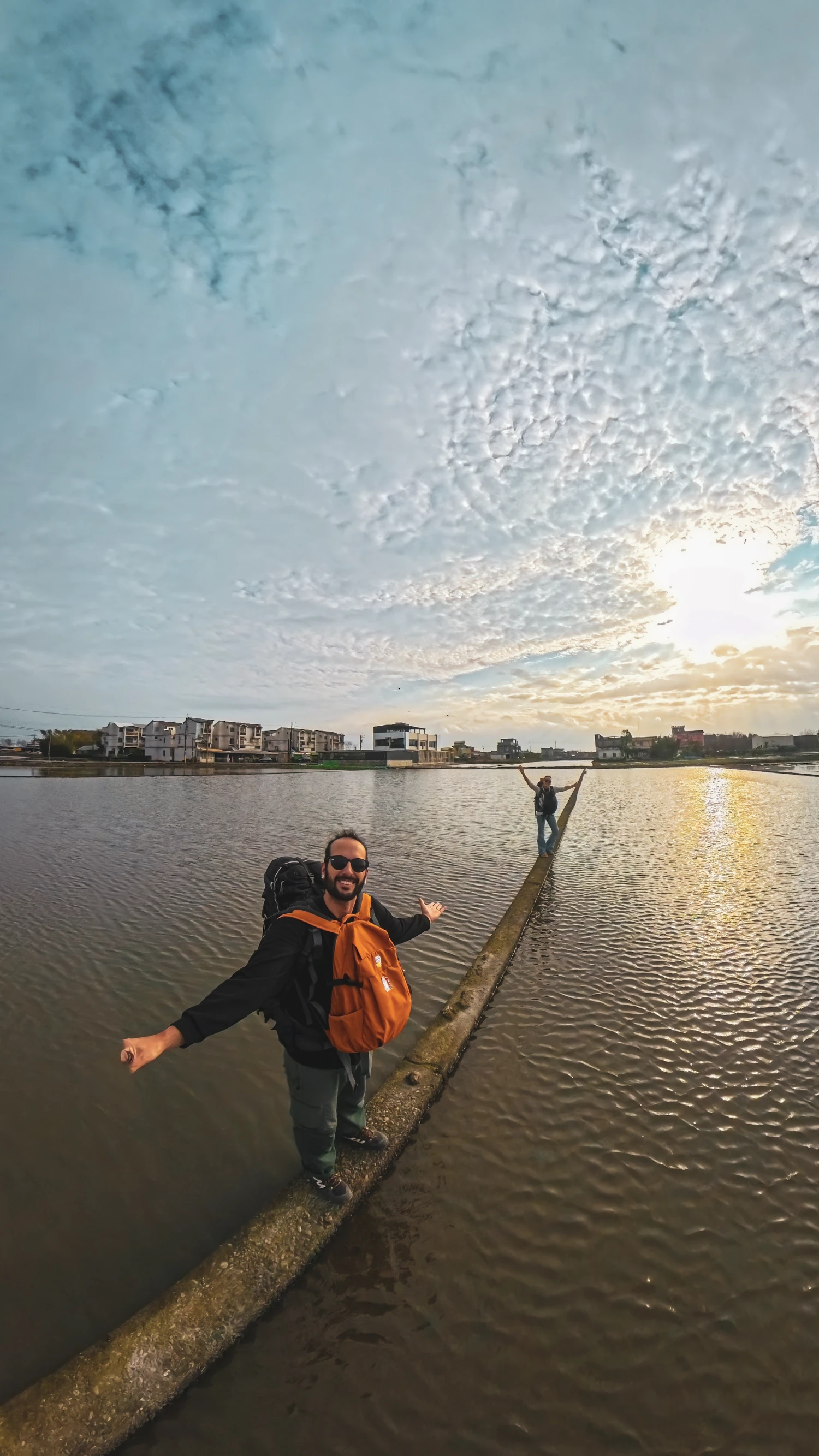
We walked across the border from Hong Kong into Shenzhen on March 4th. We had always told ourselves China was impossible to travel independently: too expensive, too complicated, requiring a guide at all times. As it turns out, every single one of those ideas was completely wrong.
In total, 109 days and 20,000 kilometers by bus, train, hitchhiking and borrowed motorcycles. We crossed the country several times, going from east to west, from subtropical jungle to high-altitude Tibetan plateau. China is not one country. It is twenty countries inside a single border.
South to Yunnan: the Road Opens Up
From Shenzhen, we worked our way south and west. Xishuangbanna felt like a flashback: tropical, lush, much more Southeast Asia than China, a direct echo of our 2009 travels there. Then the road began to climb toward Yunnan, and everything changed around us.
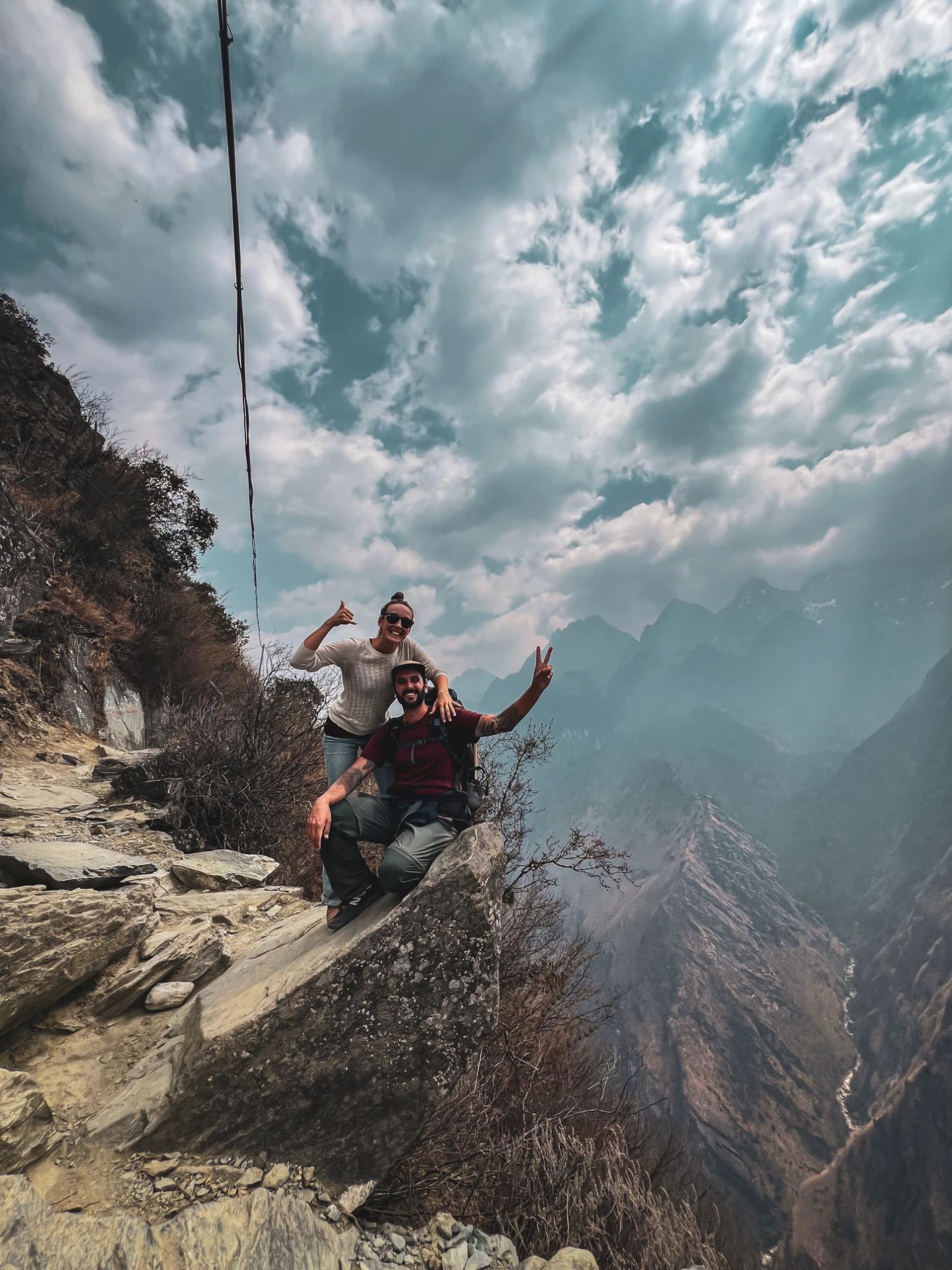
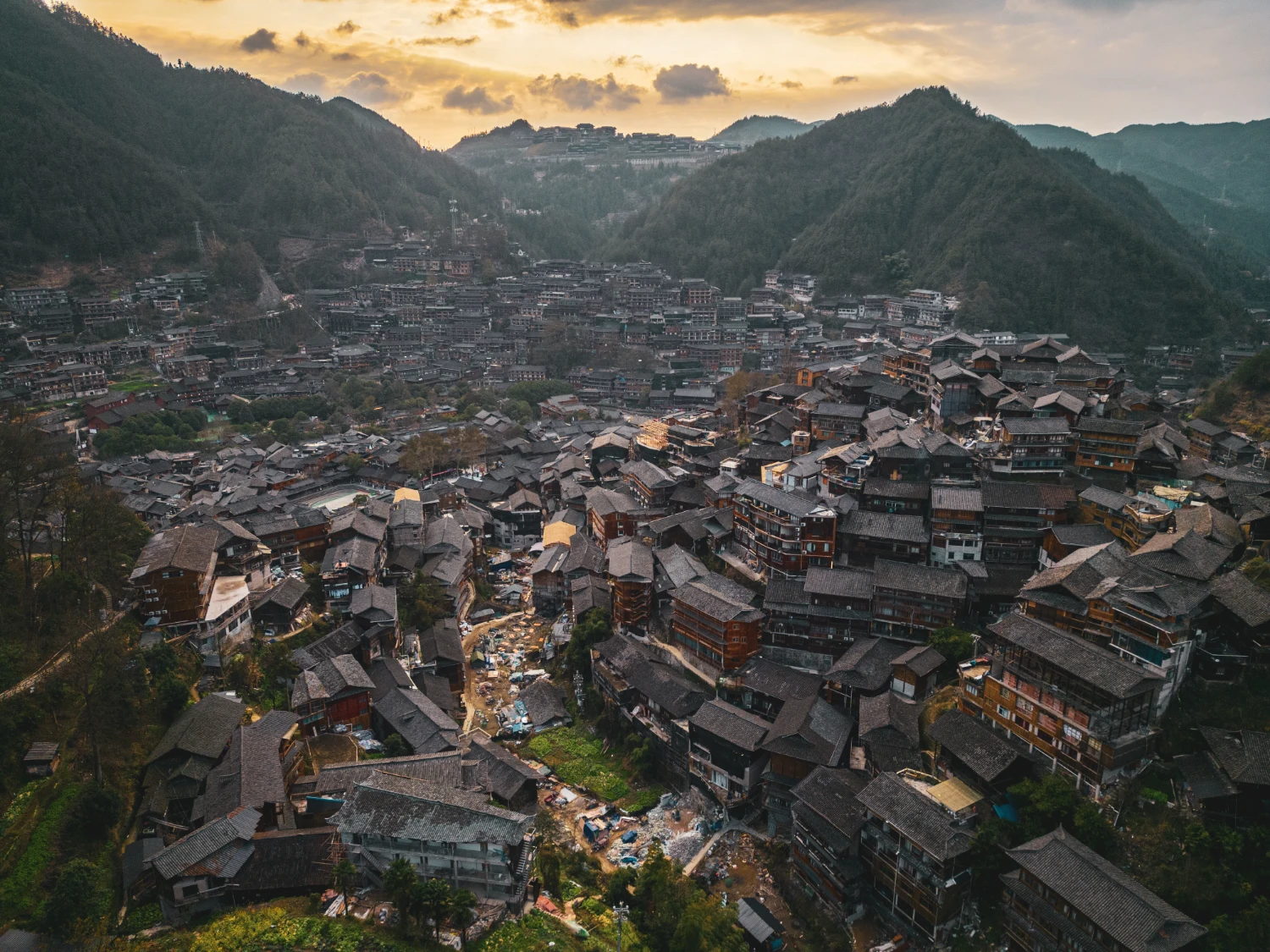
Dali was love at first sight: cobblestones, ancient walls, the Erhai Lake shimmering in the distance and street food at every corner. Shaxi was a near-perfectly preserved Silk Road trading town, small enough to walk end to end in ten minutes. Lijiang’s old town is everything you have seen in photos, and somehow still worth every tourist-filled lane. Then came the Tiger Leap Gorge, two days of trekking through one of the deepest gorges on Earth, the Jinsha River crashing far below and snow peaks of the Haba range towering above. And at the end of the gorge: Shangri-La.
🏔️ Historical Tibet (Tibet Historique)
The « Historical Tibet » (西藏文化圈) refers to the large plateau region where Tibetan culture, language, Buddhism and traditional ways of life have existed for centuries, going well beyond the current Tibet Autonomous Region (TAR). It includes large parts of Qinghai, Sichuan (Kham), Gansu and Yunnan provinces.
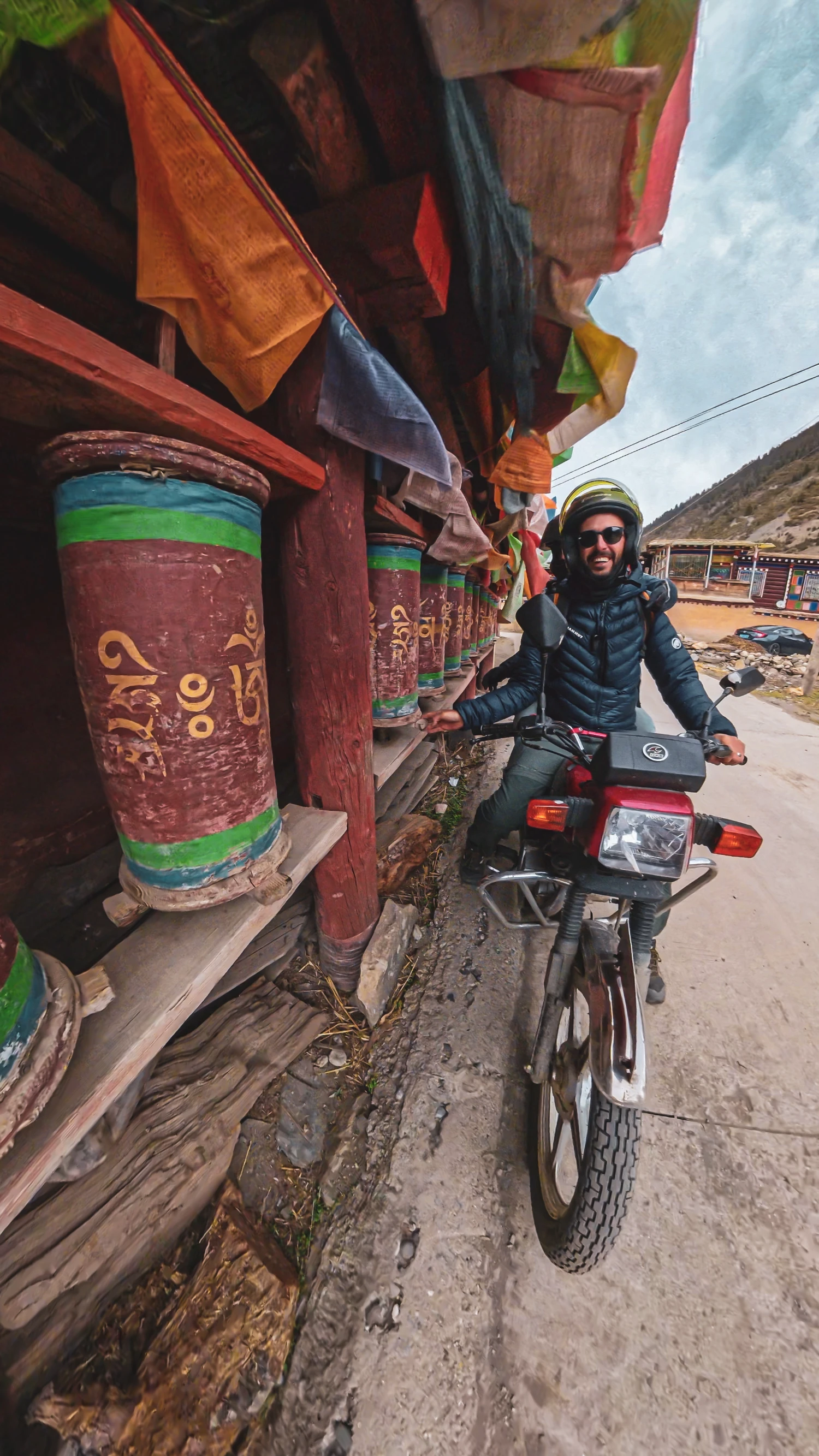
Towns like Shangri-La, Benzilan, Batang, Baiyu, Dêgé and the whole Sichuan Tibetan area (Garzê prefecture) belong to this cultural world. Here you find yak herds, butter tea, prayer flags, spinning mani wheels and ancient monasteries. Importantly, unlike the TAR, these areas are open to independent foreign travelers without special permits, making them one of the most immersive and undervisited experiences in all of Asia.
Estelle, Benzilan and a Motocross Into Tibet
In Benzilan, a Swiss contact had given us the name of a French woman who had lived in the Historical Tibet region for 17 years, renovated a traditional pisé house, made her own wine, and had recently gone viral on Chinese social media. Estelle offered us a room. We stayed for days.
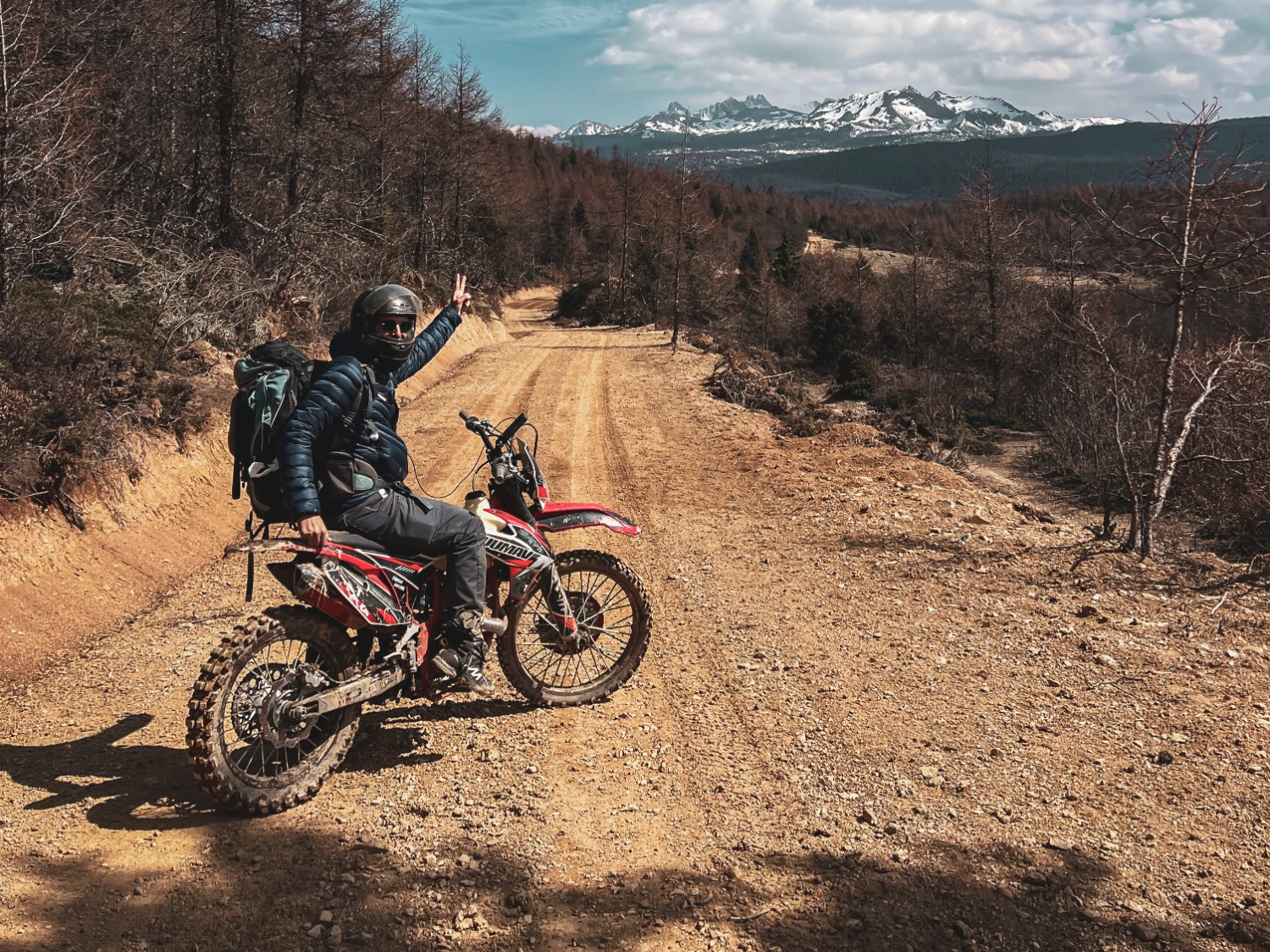
Through Estelle we met Noé, a young Breton working for Caravane Liotard, a company running expedition tours through the mountains with mule caravans. Noé needed to scout trails before the season opened. He was going by motocross, with two local Tibetan riders, on the high passes, through yak pastures.
I asked if I could come. He said yes.
Motocross in Historical Tibet: An Experience I Was Not Ready For
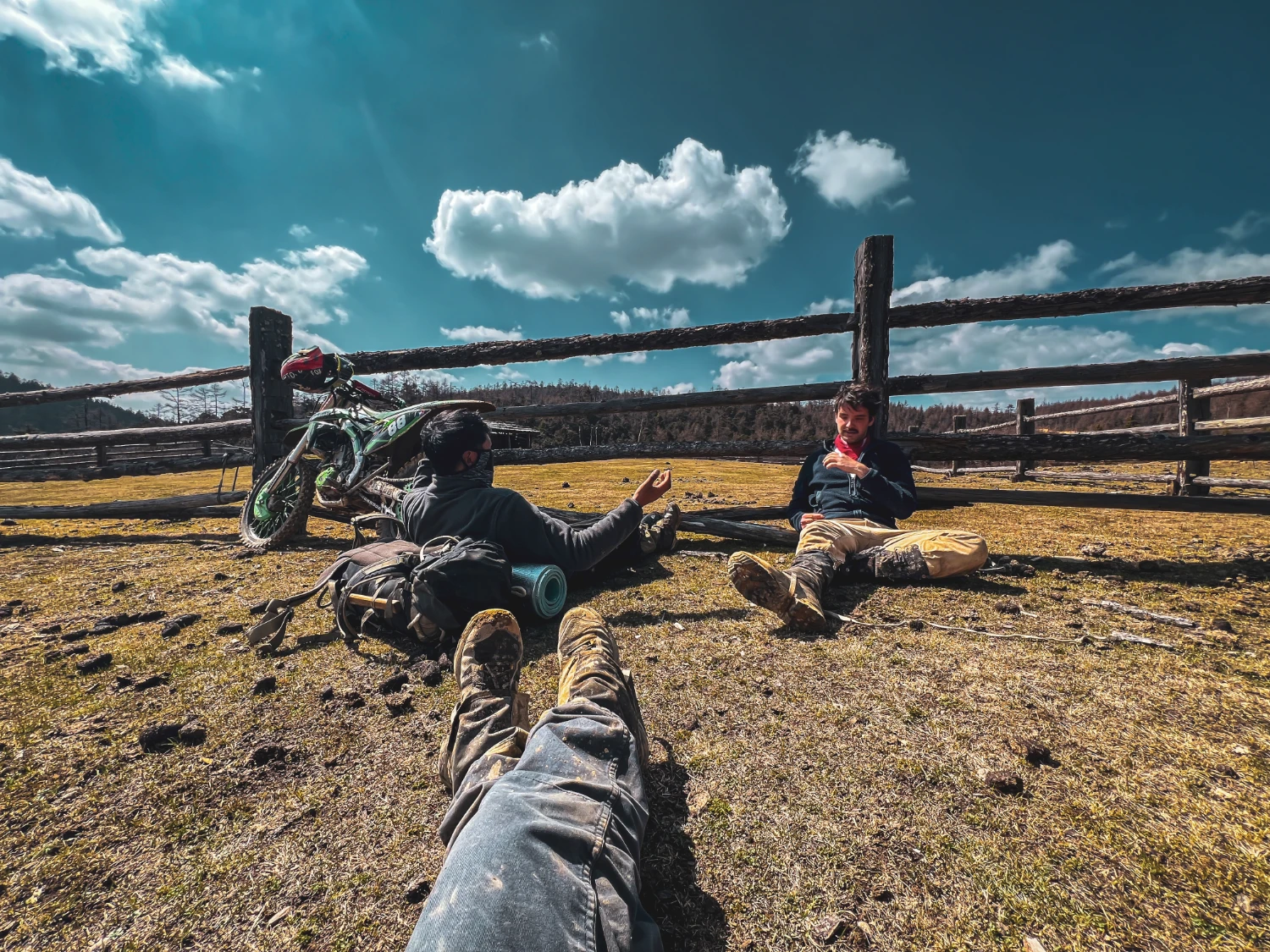
I am a touring motorcyclist. I ride a heavy BMW F800 GS through countries, not a 250cc two-stroke up near-vertical Tibetan terrain. But there I was, on a motocross bike with a large backpack, following two Tibetan locals who appeared to be part mountain goat, up trails that disappeared completely, across rivers with no bridges, through passes where the altitude made the engine cough.
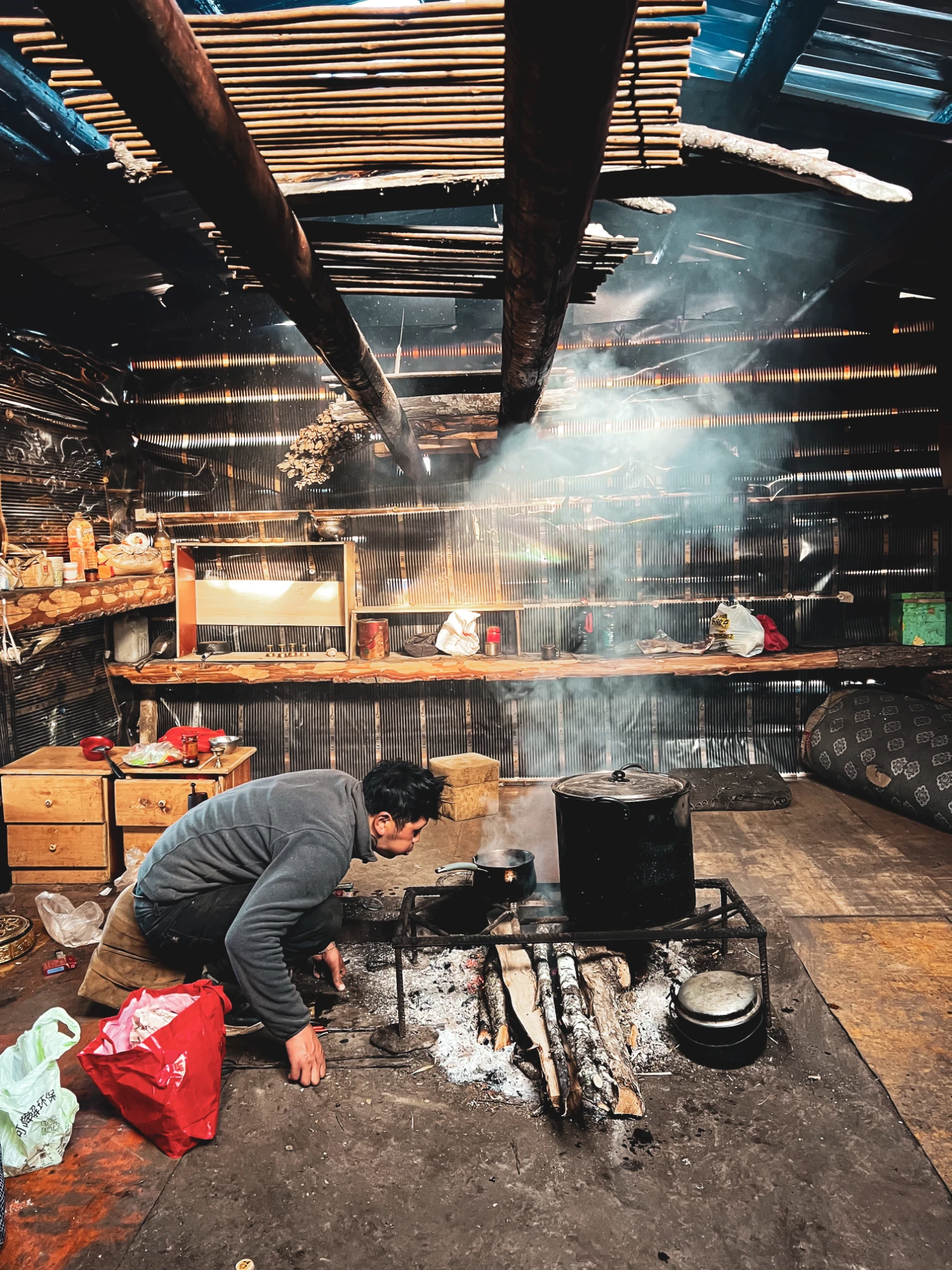
That night, we slept on the floor of a yak enclosure. The smell was extraordinary. The stars were extraordinary. The ache in every muscle was extraordinary. The next morning, we did it all again. It was one of the hardest physical days of this whole journey, and absolutely one of the best.
Dzongsar Valley: Bronze Sculptors and Buddhist Monks
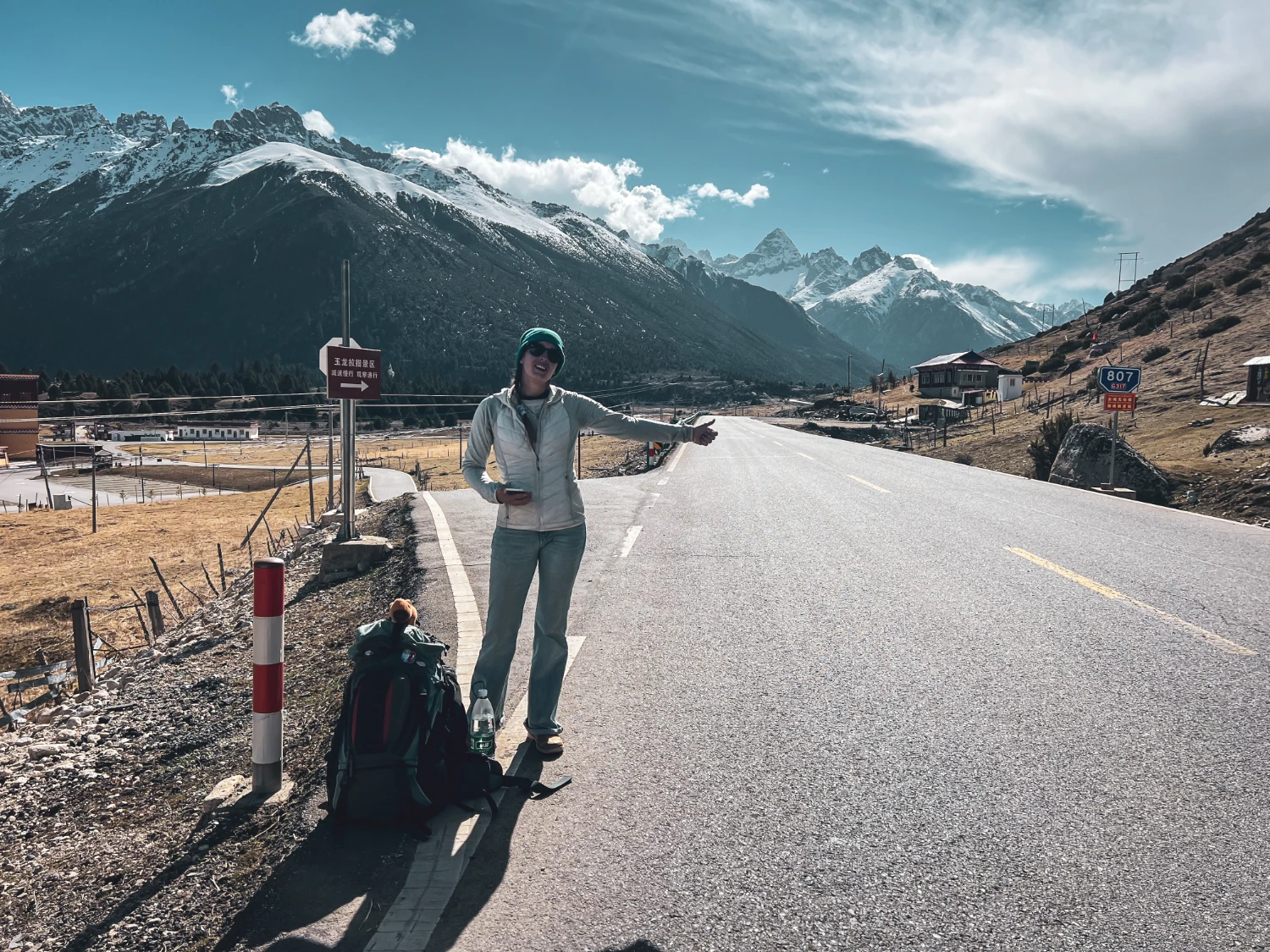
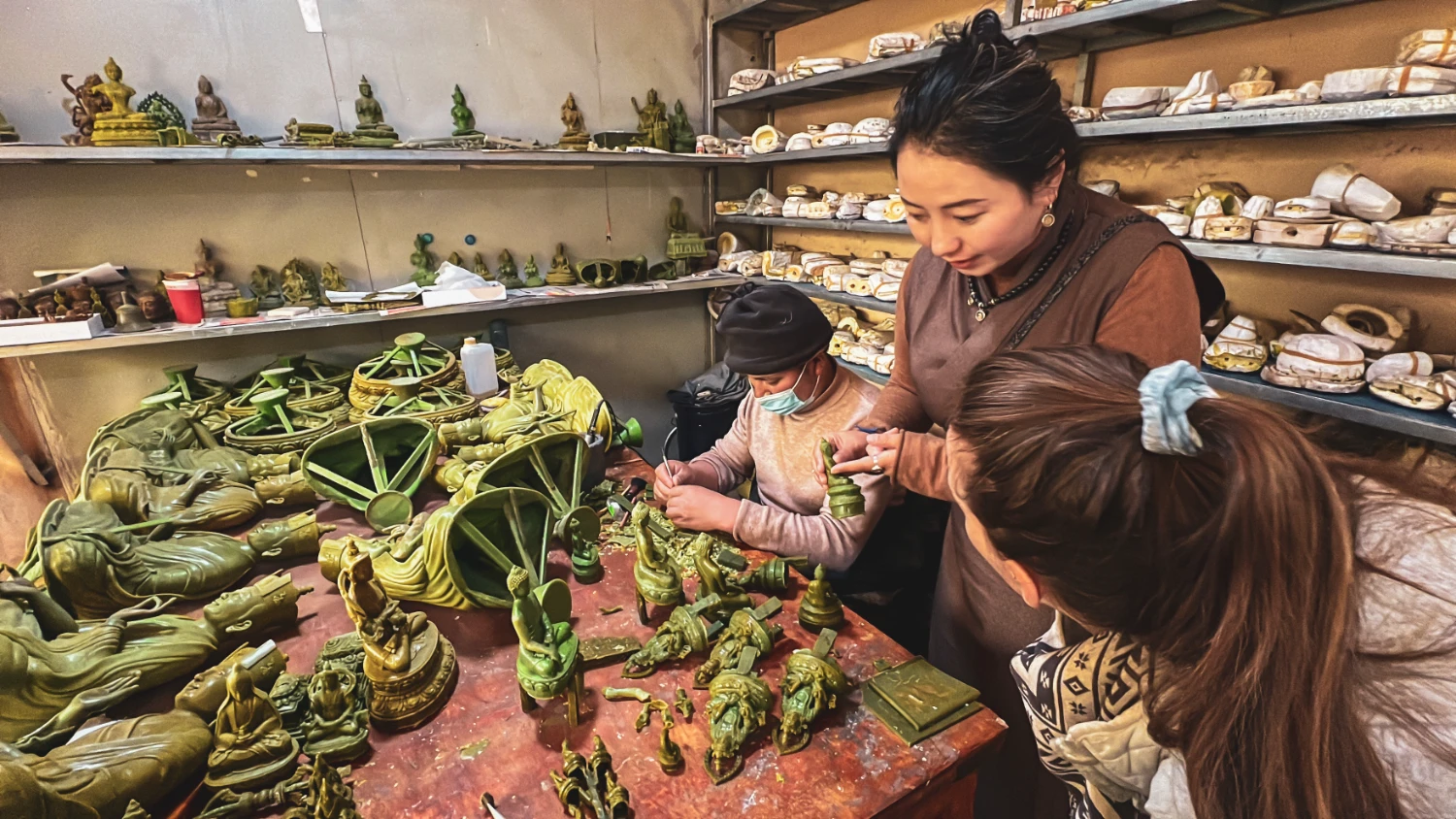
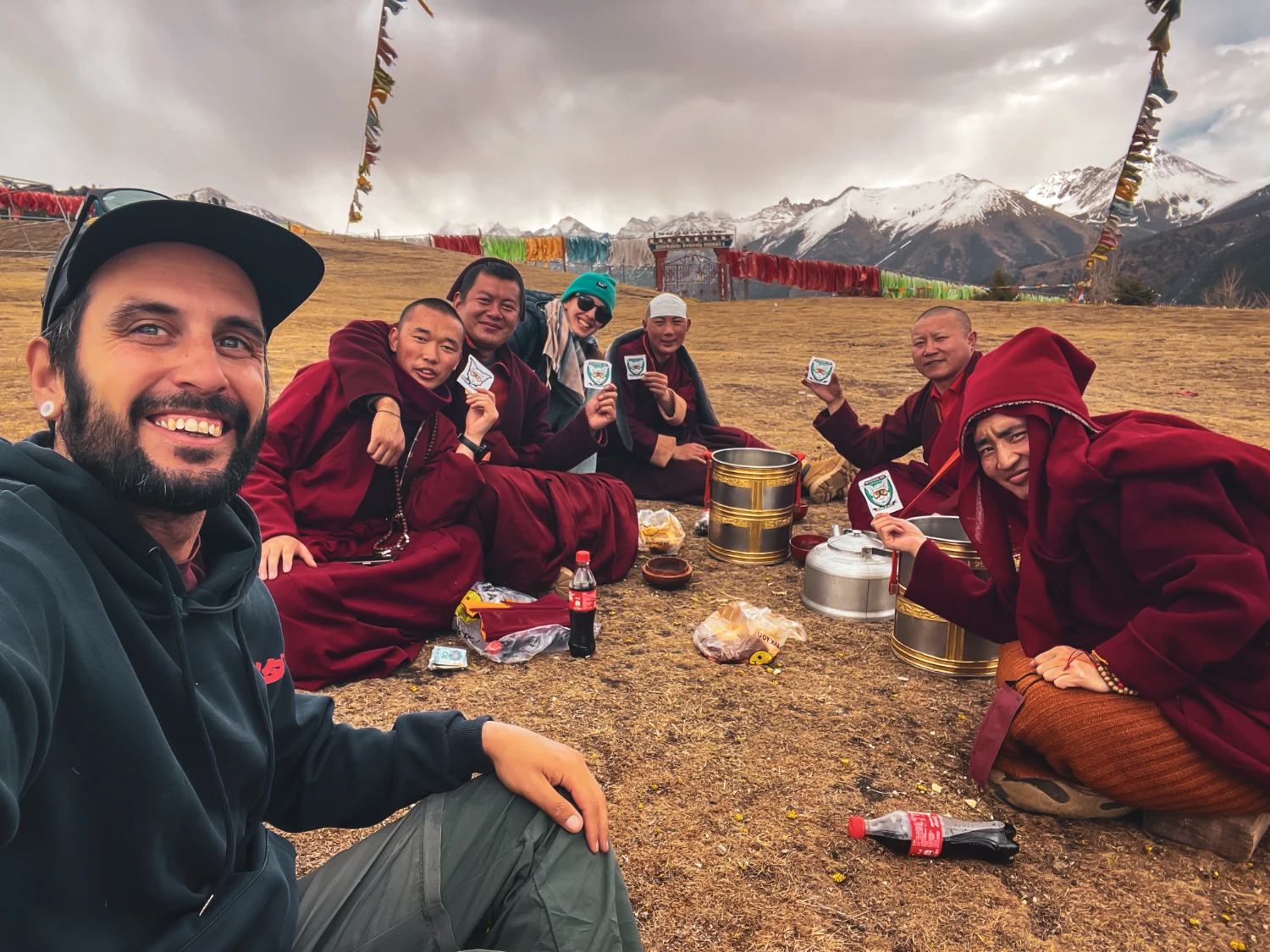
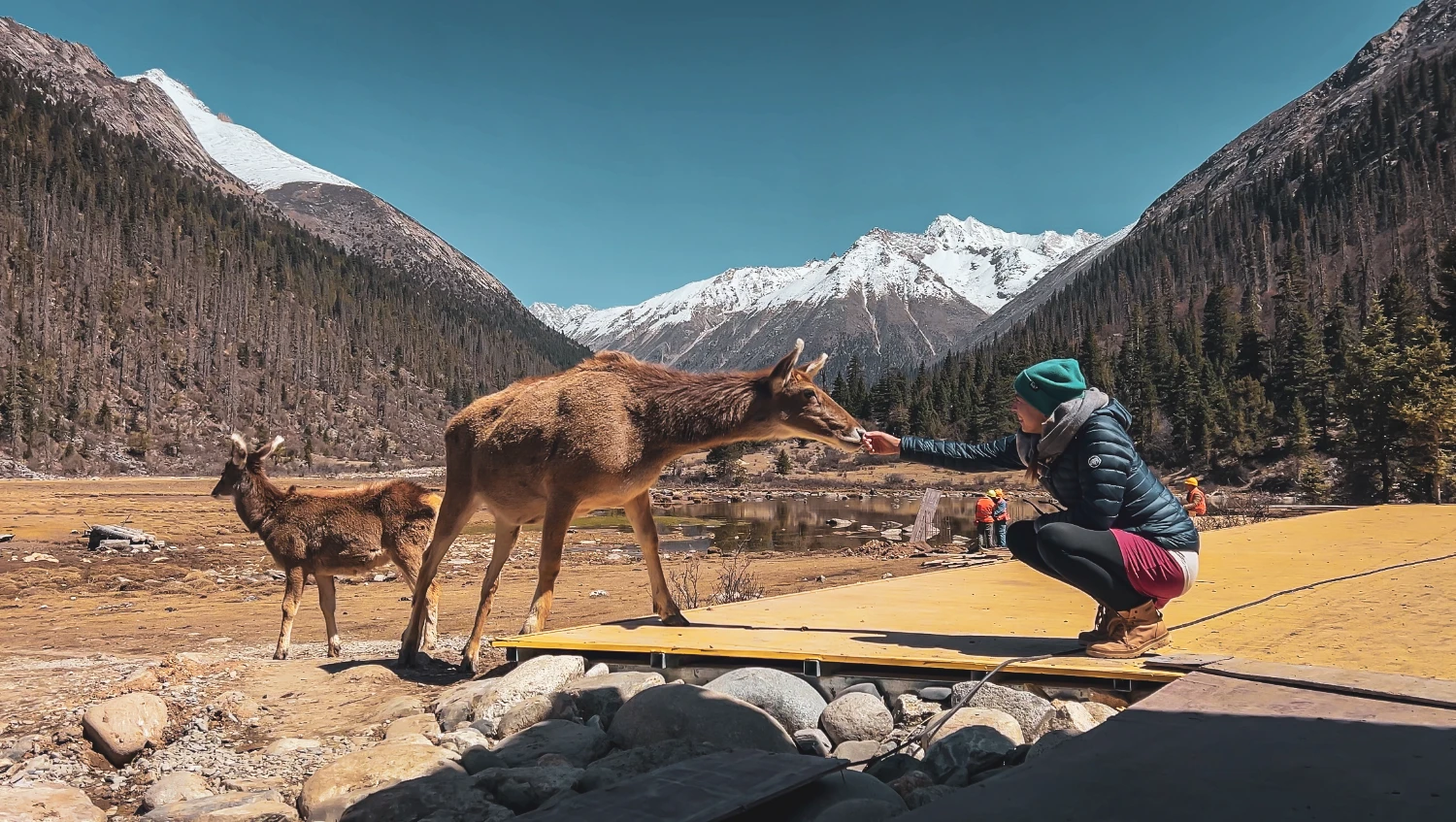
Hitchhiking through Sichuan, a region where backpackers are so rare that locals stopped to photograph us, we reached Dzongsar Valley. We stayed with Dawa Drolma and her family, artists who had devoted generations to bronze and sacred metal sculpture. They lent us their 150cc family moto, the « Wild Yak, » to explore the surrounding valleys. We meditated and ate with monks at Kagu Gompa (4,000m). We sat in silence in Dopu Valley and felt the world slow right down. The Dêgé printing monastery, a living library of Tibetan literature with over 200,000 woodblock plates, was one of the most quietly powerful places we visited in four years of travel.
Pandas, Sacred Mountains and the Avatar Peaks
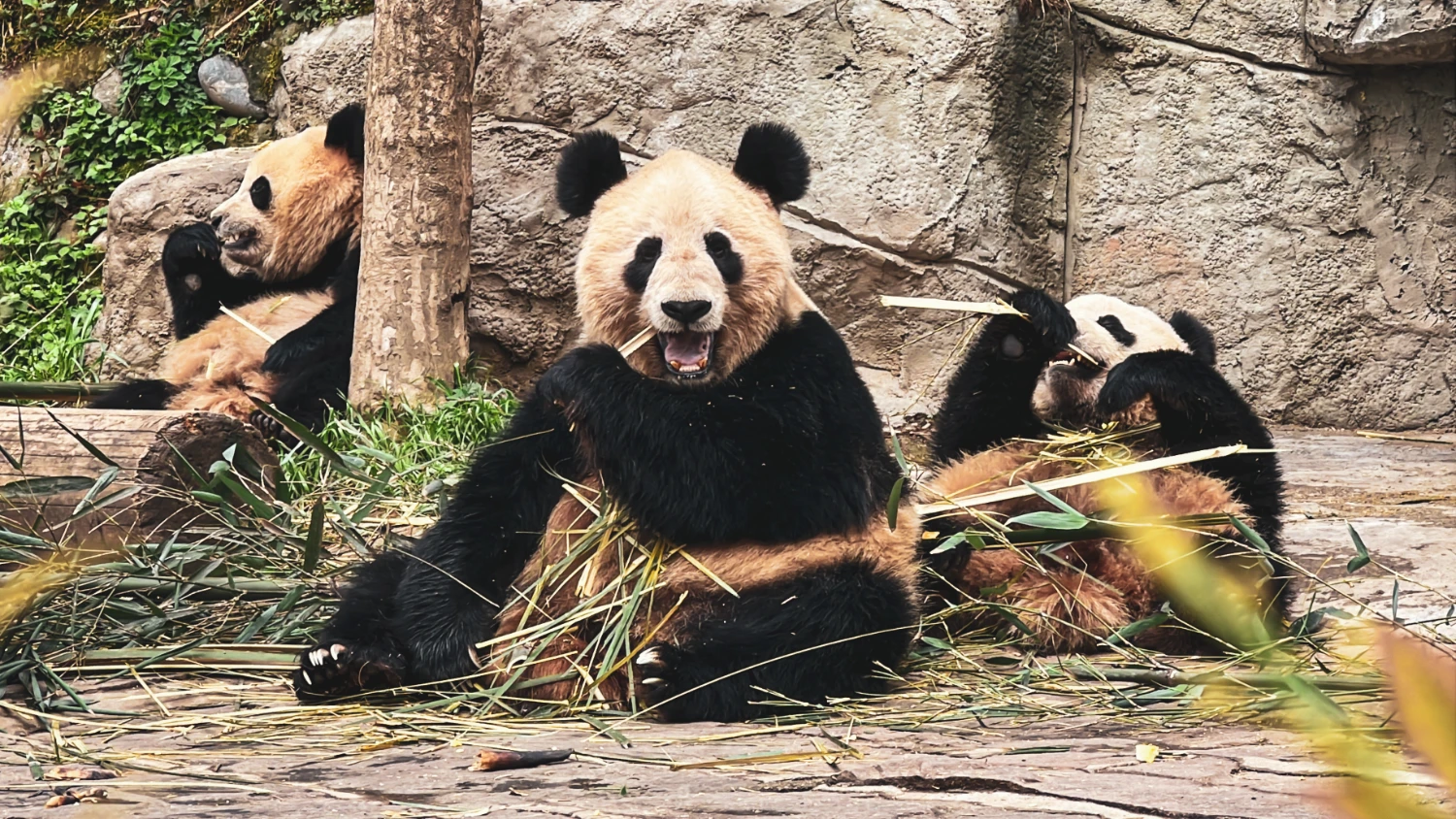
At Bifengxia Panda Base we finally resolved an ethical dilemma we had been carrying since before we arrived in China: we love pandas, but we refuse to support facilities that exploit animals. Bifengxia focuses on conservation and rehabilitation, a very different experience from the famous Chengdu center, wilder and less visited. Highly recommended.
In Leshan, we crossed paths with two French women, Fanny and Macha, twice in two days. Their plan: climb Mount Emei together, one of China’s Four Sacred Buddhist Mountains, 60,000 steps in two days. We joined them. We arrived at the summit temple in thick fog and rain, laughed at the whole absurdity of it, and loved every second.
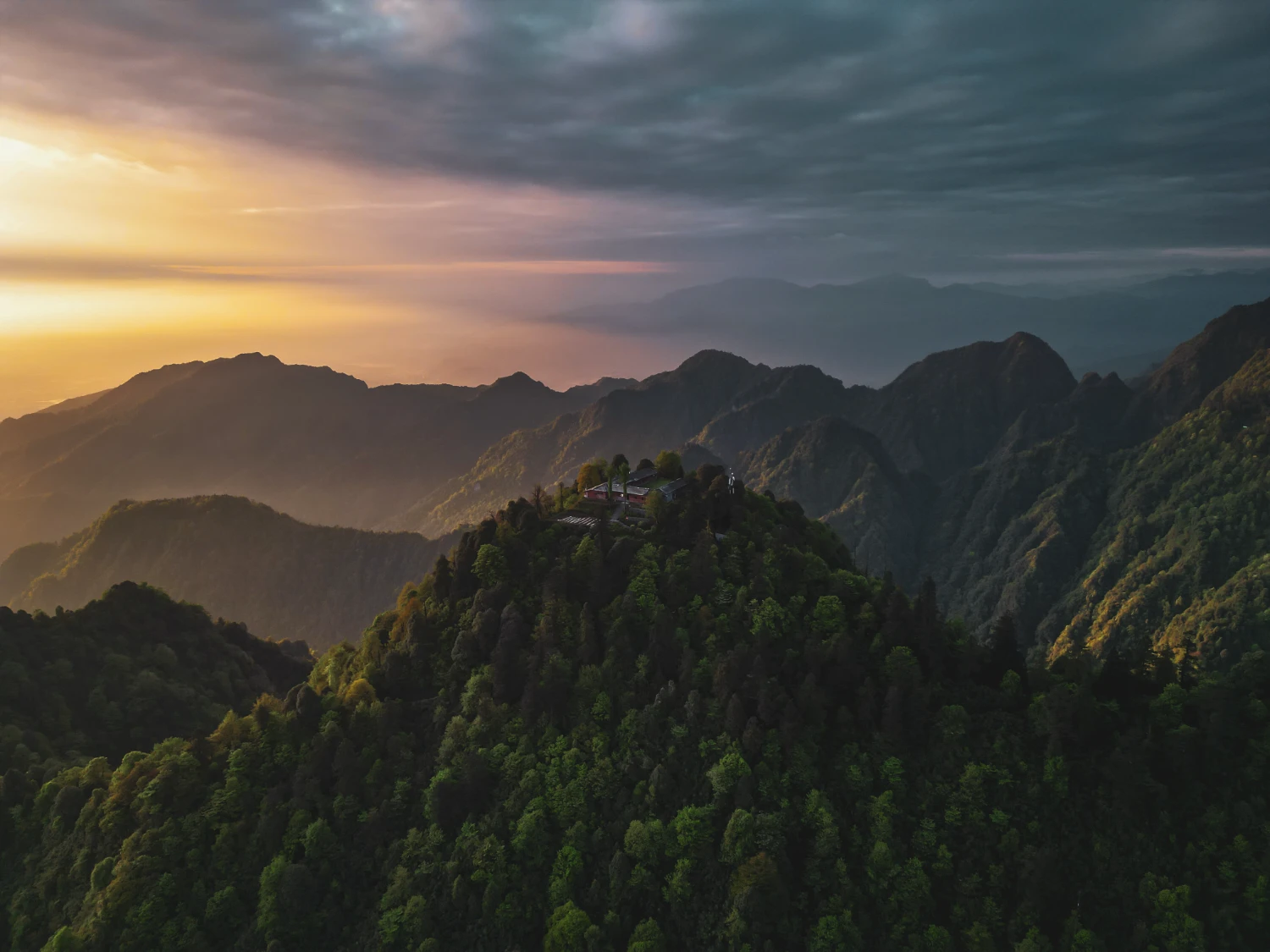
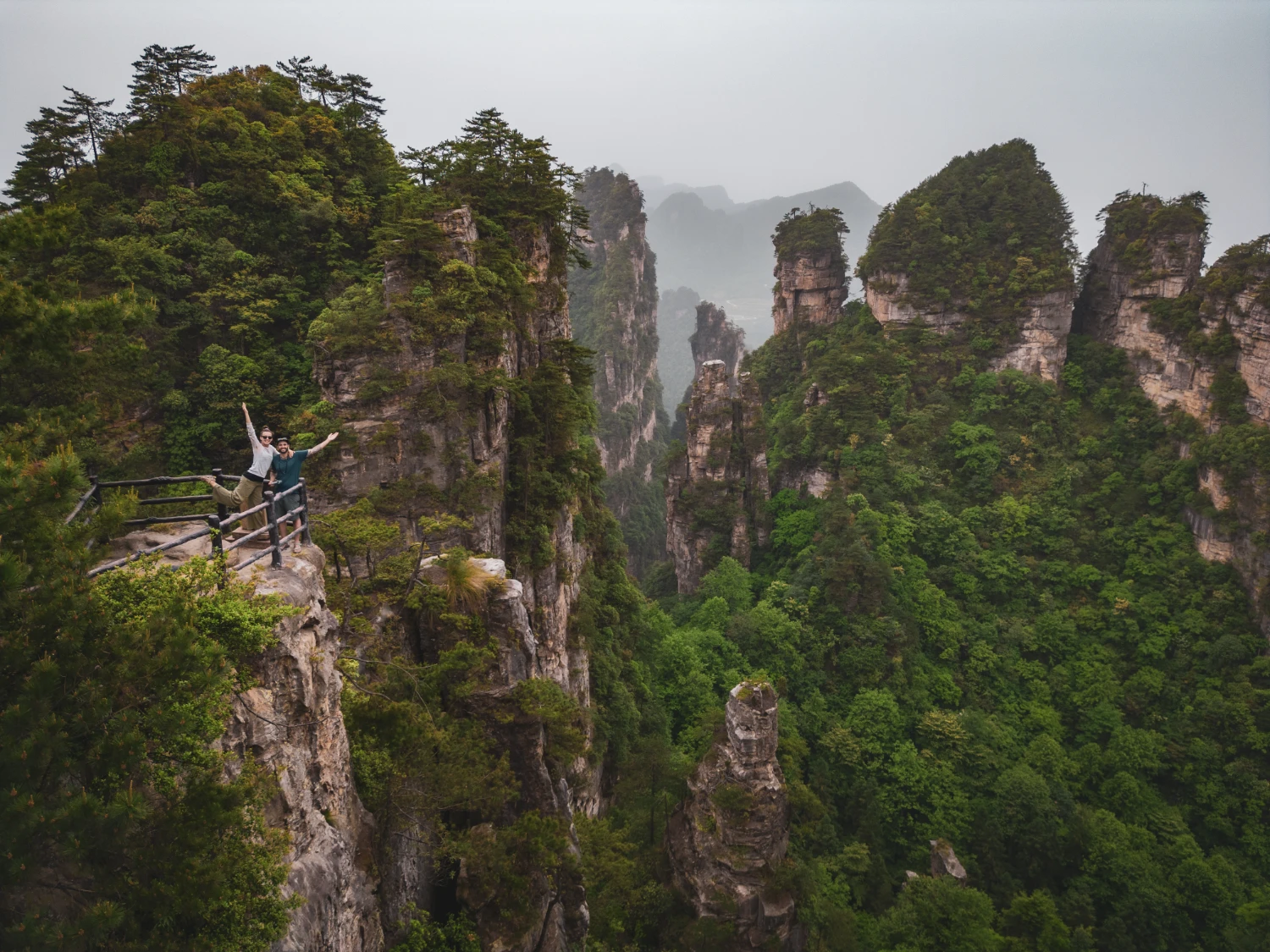
After that: Chengdu (Sichuan opera, more pandas), Chongqing (bad timing during a major Chinese public holiday, ten million people is genuinely a lot of people), Zhangjiajie’s Avatar Mountains where I lost my drone to a cliff face (RIP), and then the coast, Shanghai and Qingdao.
Seoul Wedding, Hokkaido Friends and a Geisha Surprise
From Qingdao, we crossed the Yellow Sea by ferry to South Korea. As always on this trip, the timing was perfect: a childhood friend of Nathalia’s was getting married in Seoul. We danced at the wedding, explored the walls of Hwaseong Fortress, and ate our way through Busan.
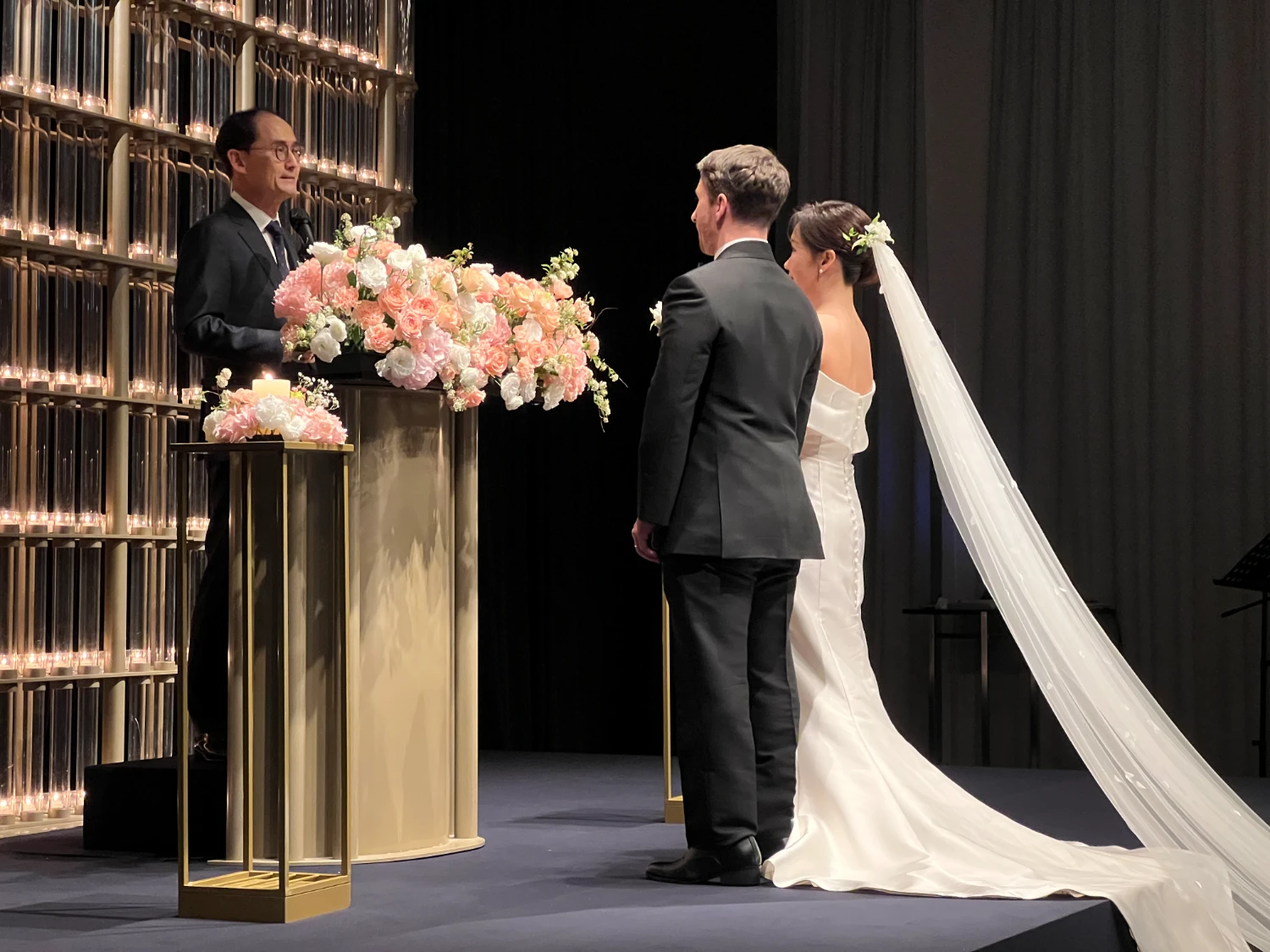
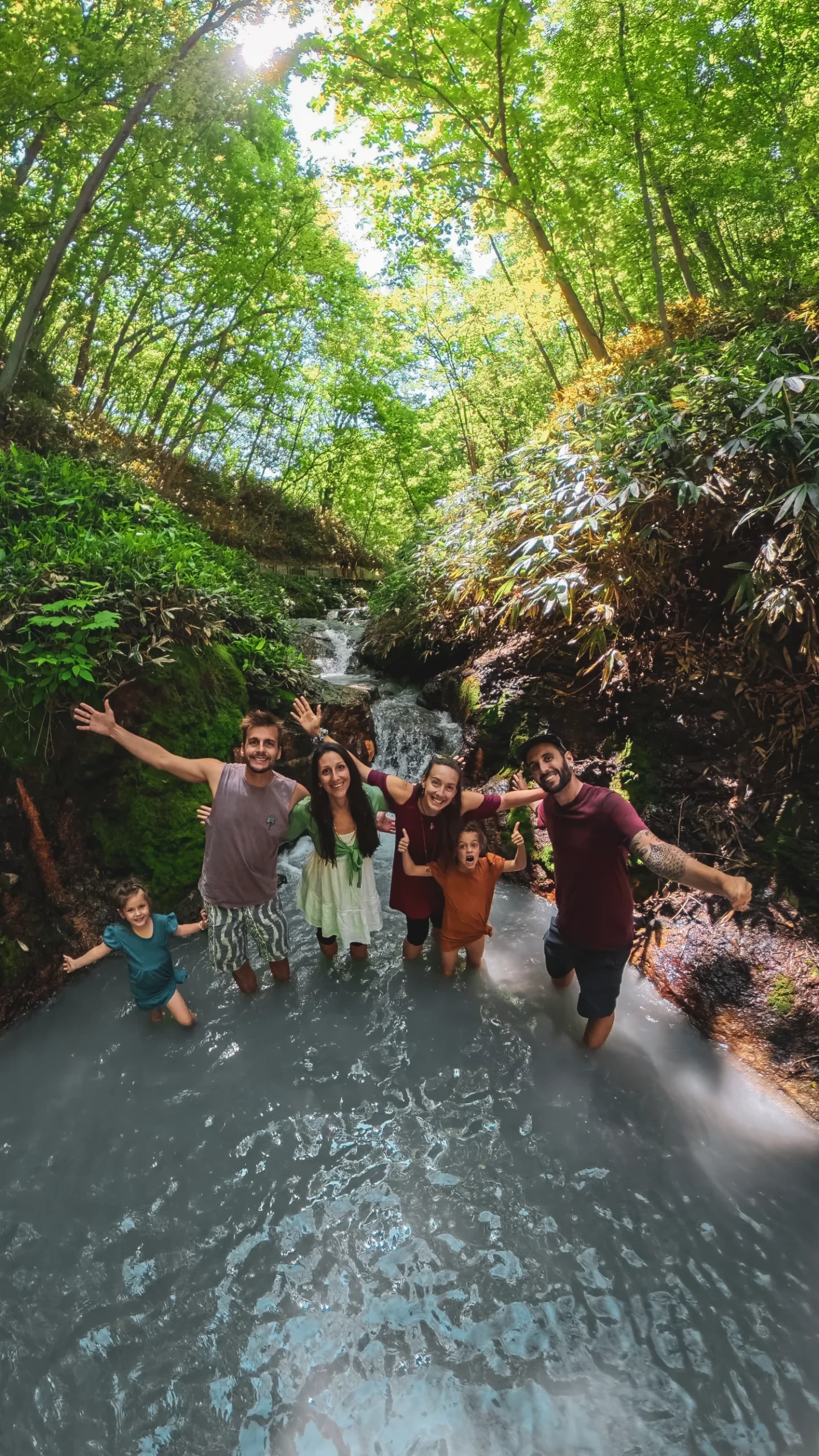
Our dearest friends Anysia, Alexi and their daughters Ilaya and Yalini were in Hokkaido at the same time. Japan is close to Korea, so the logic was simple. But Japan is also very expensive, and after a few days of spending what felt like a month’s budget, a better plan emerged: we all flew to Beijing together.
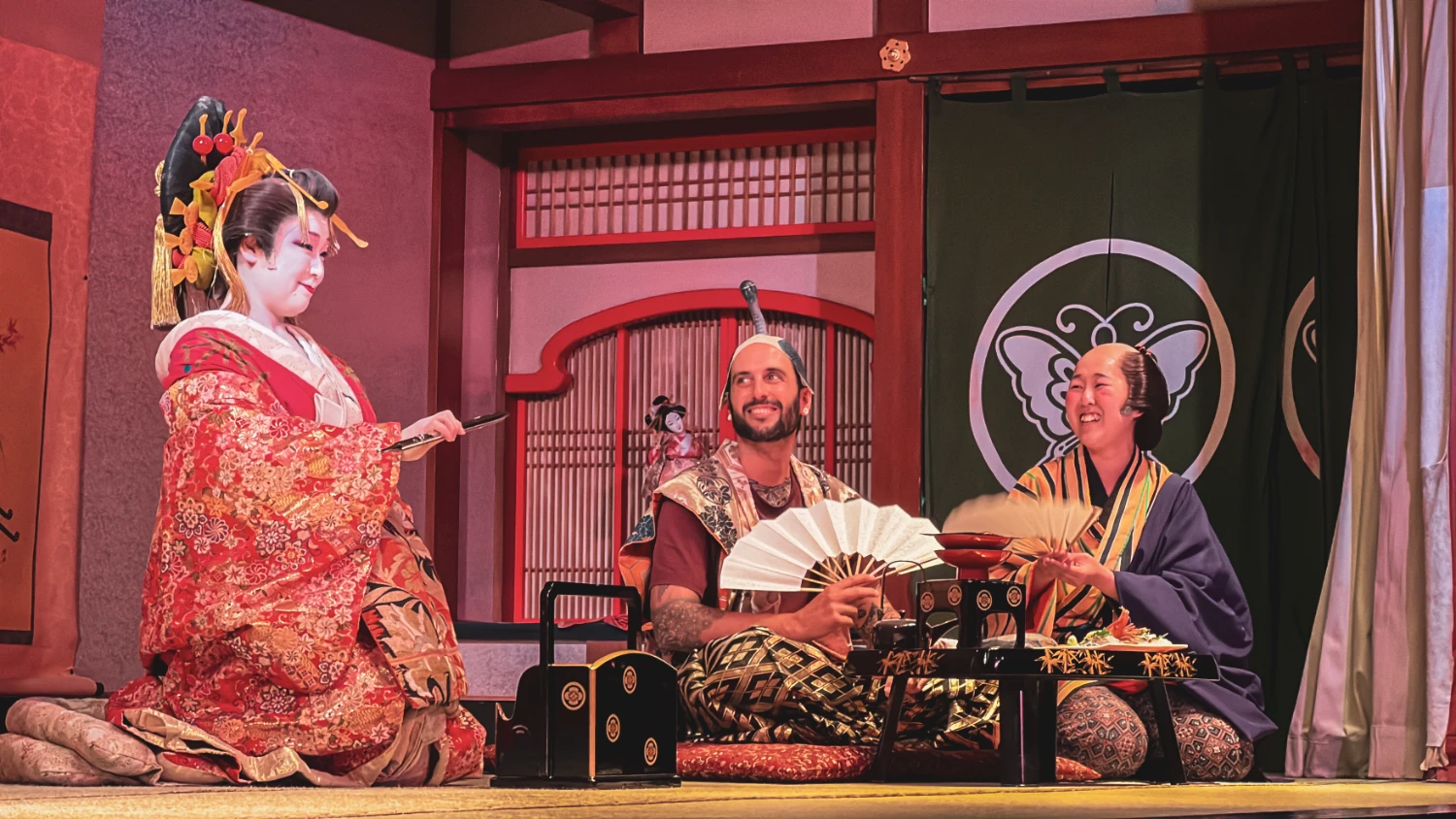
One absolute highlight of the Hokkaido leg: I dressed up in a full Shogun and Geisha costume for a traditional show experience, and the girls still haven’t forgiven their godfather for being so surprisingly convincing. Evidence below.
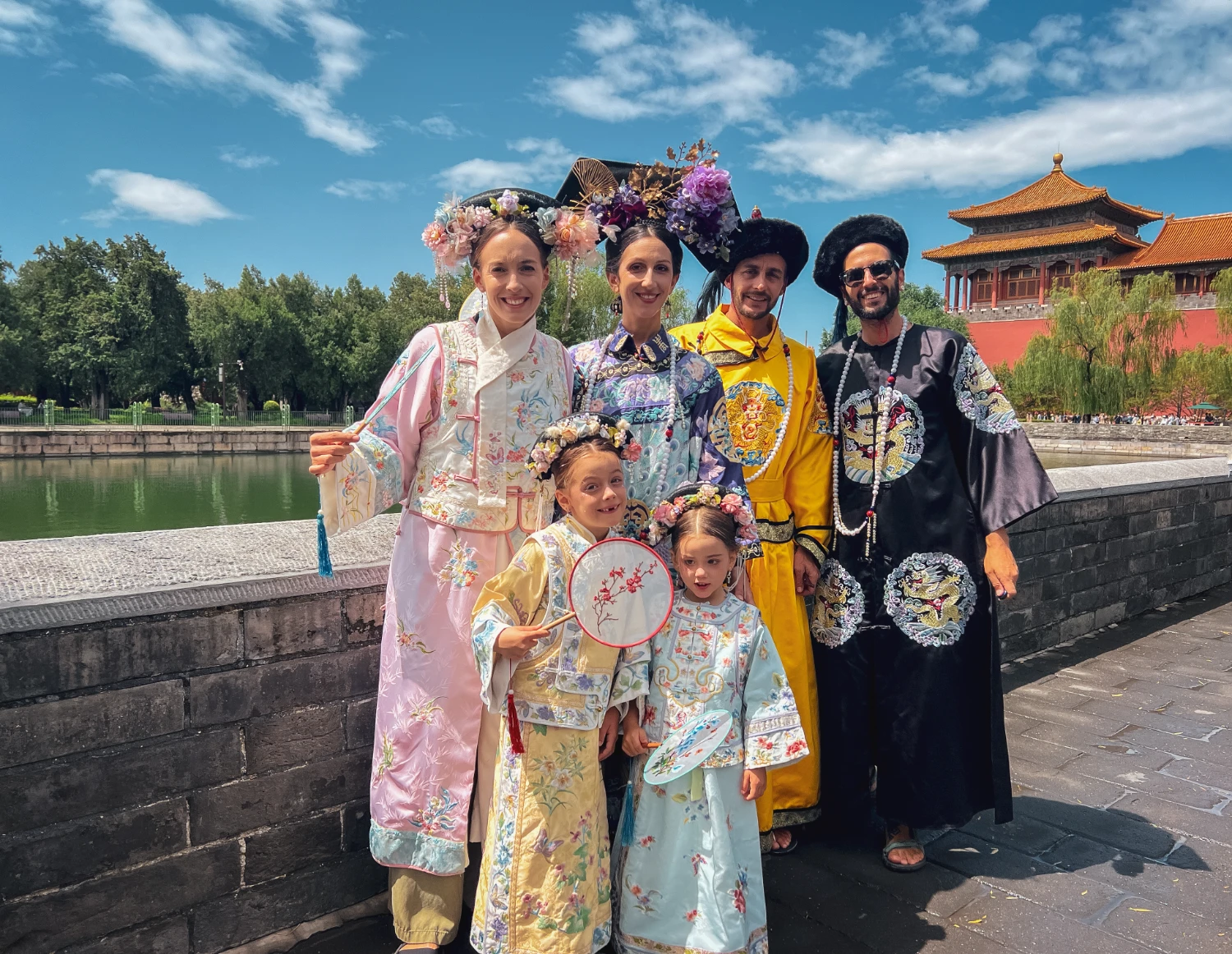
In Beijing, we rented traditional costumes and explored the Forbidden City in full imperial mode. Then came the Great Wall.
Sleeping on the Great Wall of China ✅
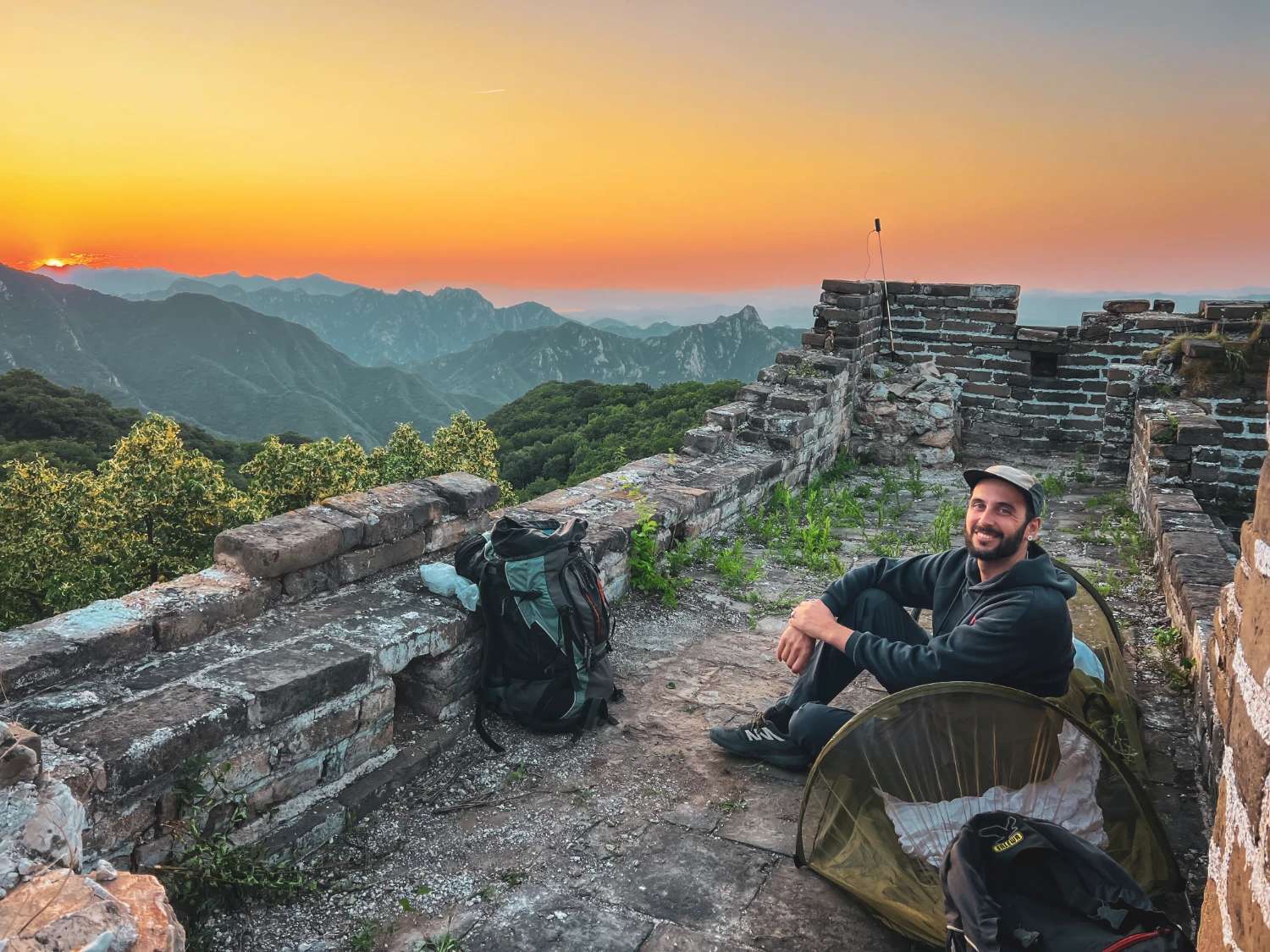
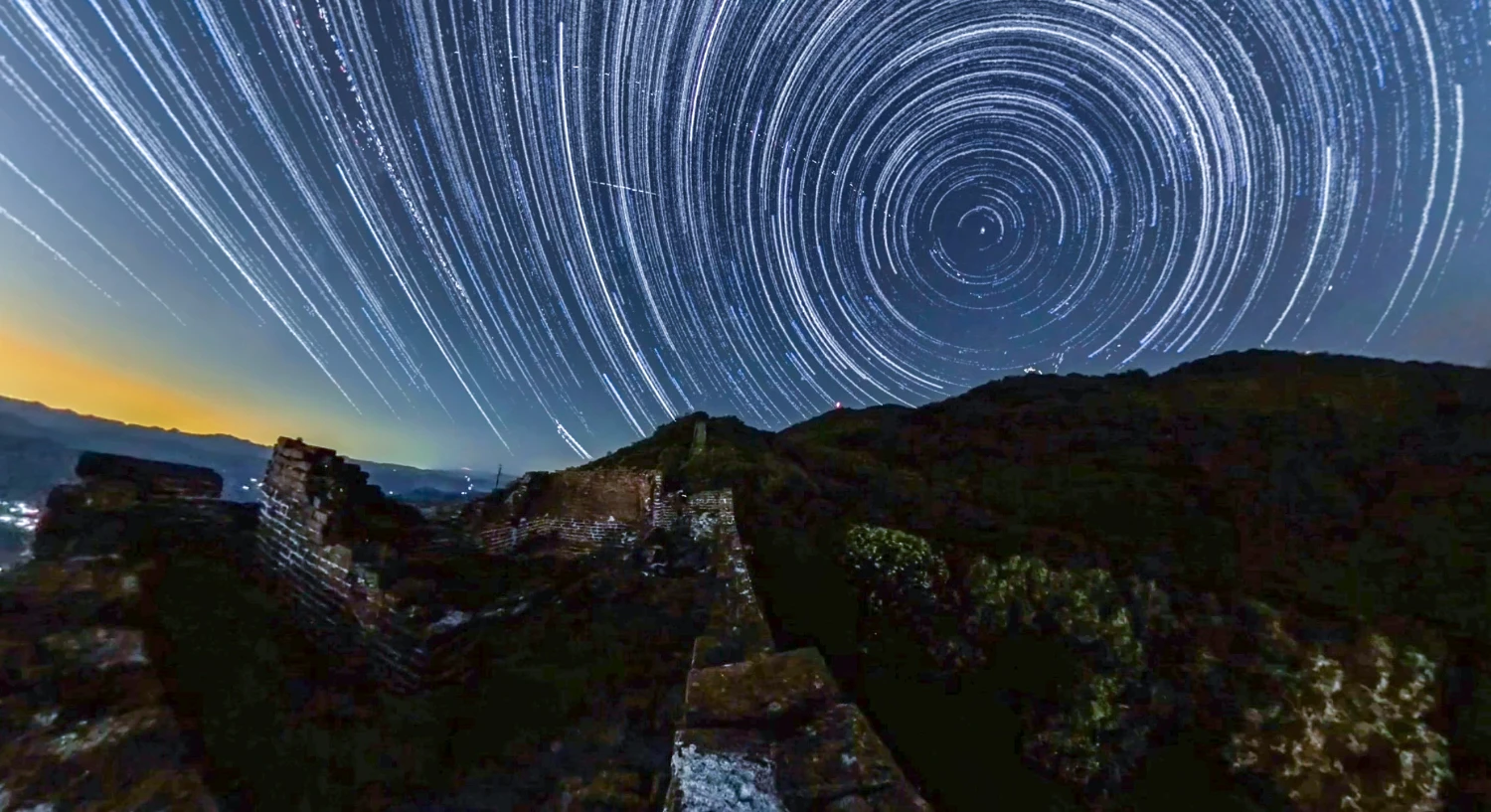
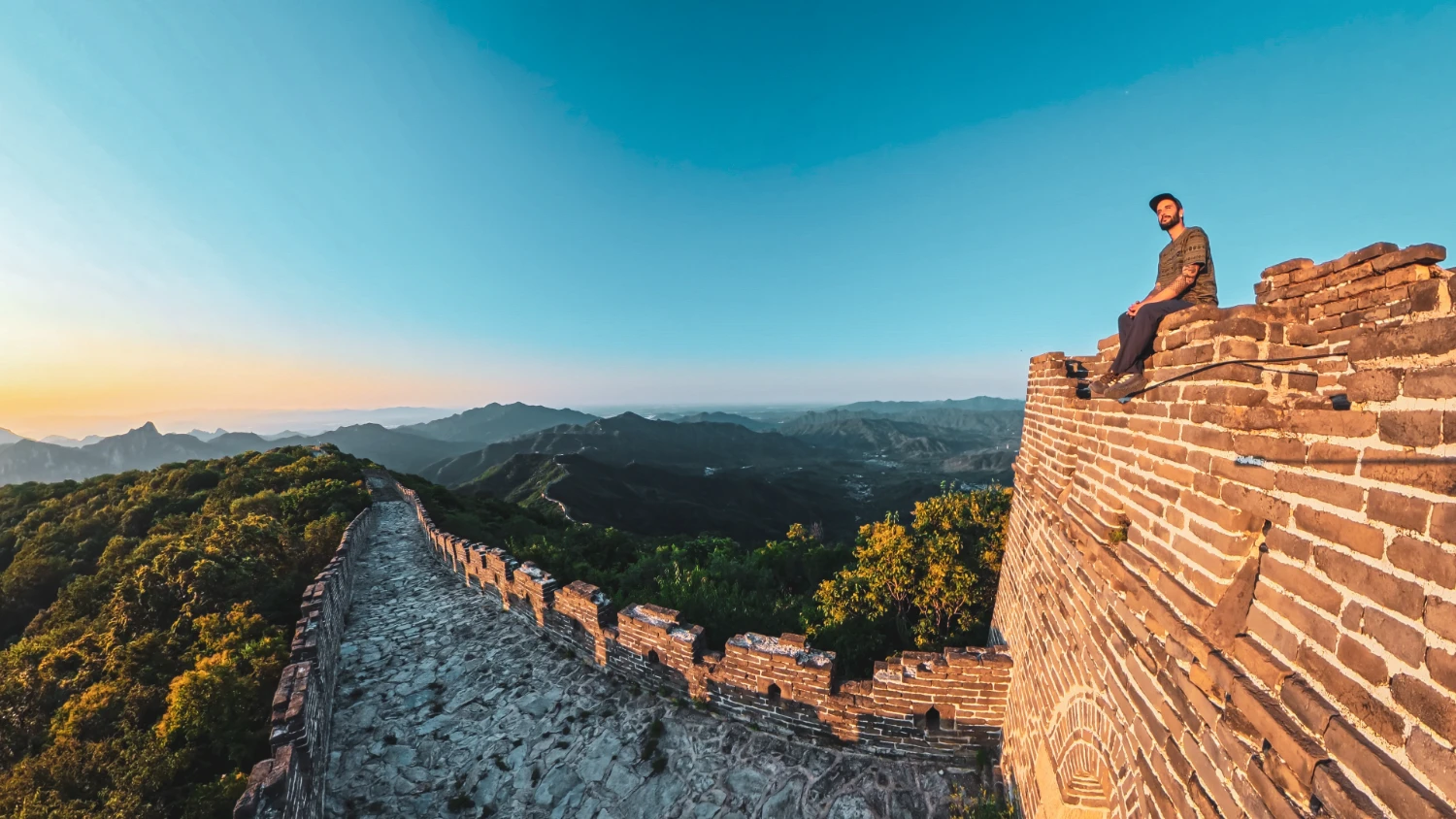
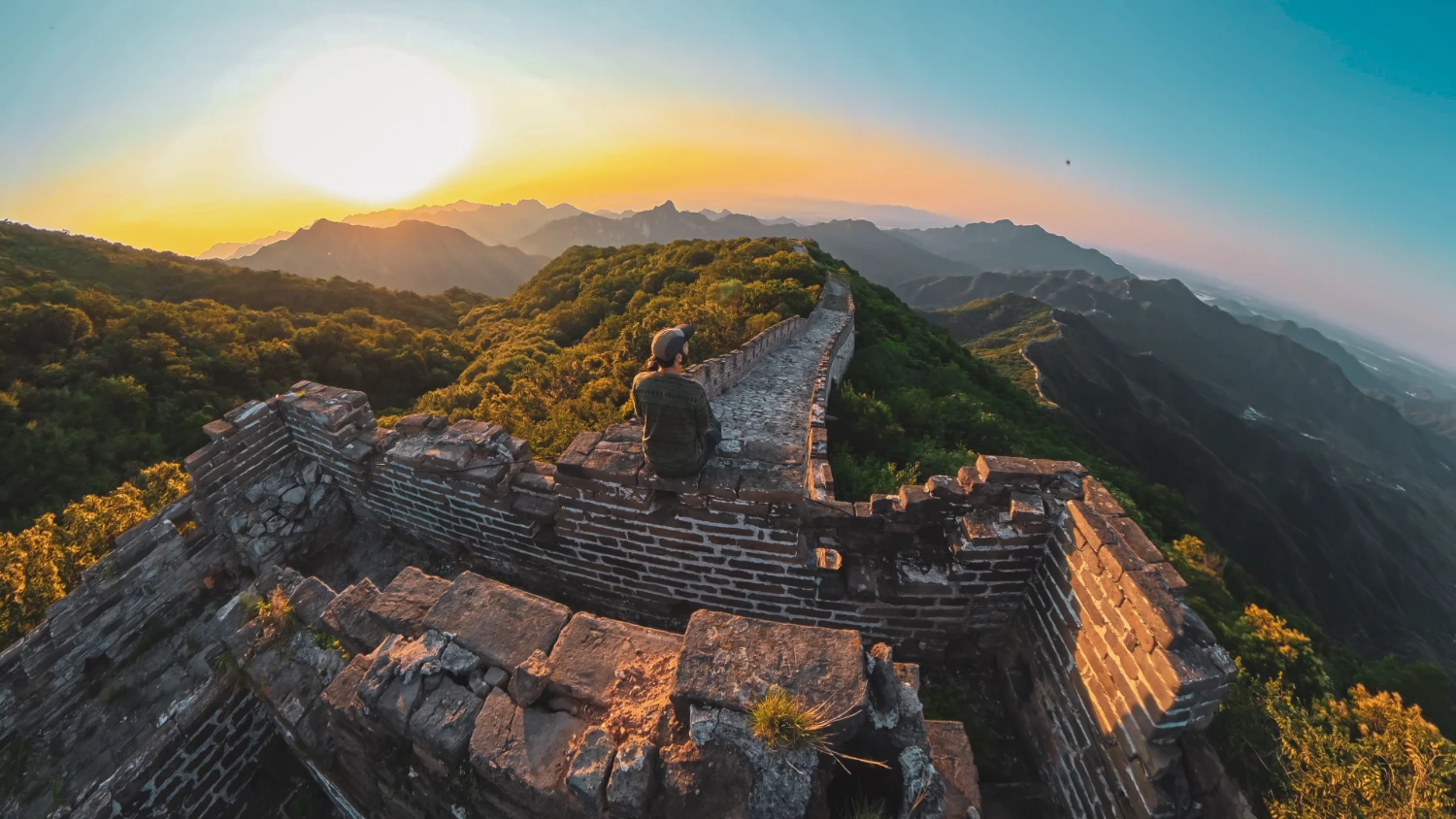
At 4:30pm, Alexi and I set off on foot for an 800m climb to a wild, unrestored section of the Wall. Nathalia stayed in the valley with Anysia and the girls. One hour and 45 minutes later, we touched the stones for the first time.
We spread our sleeping bags directly on the Wall, watched the sun set over the mountains of Hebei, and slept under more stars than seemed reasonable. When dawn came, we were still on the Great Wall of China. Some things you imagine for years, and then they exceed everything you pictured.
West to Xinjiang: The Final Chinese Stretch
Our fourth month in China took us west. Datong’s cliff-carved Buddhist temples, Xining and the gateway back to Tibetan culture, Zhangye’s Rainbow Mountains with their geological stripes of red, orange, purple and yellow that look like a painting gone beautifully wrong. Finally, Ürümqi and the Xinjiang region, Central Asian in culture, food and architecture, instantly familiar after all our months in Kazakhstan, Kyrgyzstan and Tajikistan.
In total, 109 days and 20,000 km of China by land. We exited at the Horgos border crossing into Kazakhstan. Time to go home — to Falkor.
🐾 TrustedHouseSitters: Our Secret Weapon for Slow Travel
Taiwan was our very first TrustedHouseSitters experience, and we immediately understood why this platform is a game-changer for long-term travelers. You care for someone’s home and pets while they travel; in return, you get a free place to stay, often in beautiful homes in great neighborhoods.
Since our first mission with Didi in Taipei’s Tianmu hills, we have used TrustedHouseSitters to take a breath from constant movement, work from a real desk, and connect with places on a deeper level. It is not just accommodation: it is living like a local, with the bonus of animal company.
The Return of Falkor 🏍️🐲
After 11 months in a Bishkek garage, the longest we had ever been away from our motorcycle, we stood in front of the door and felt something unexpected: nerves.
We had left a motorcycle. We were about to find out what we were coming back to. The door opened. Falkor was there. Exactly as we had left it. We didn’t say much. Some reunions don’t need words.
Back on the Motorcycle Travel Pistes of Kyrgyzstan
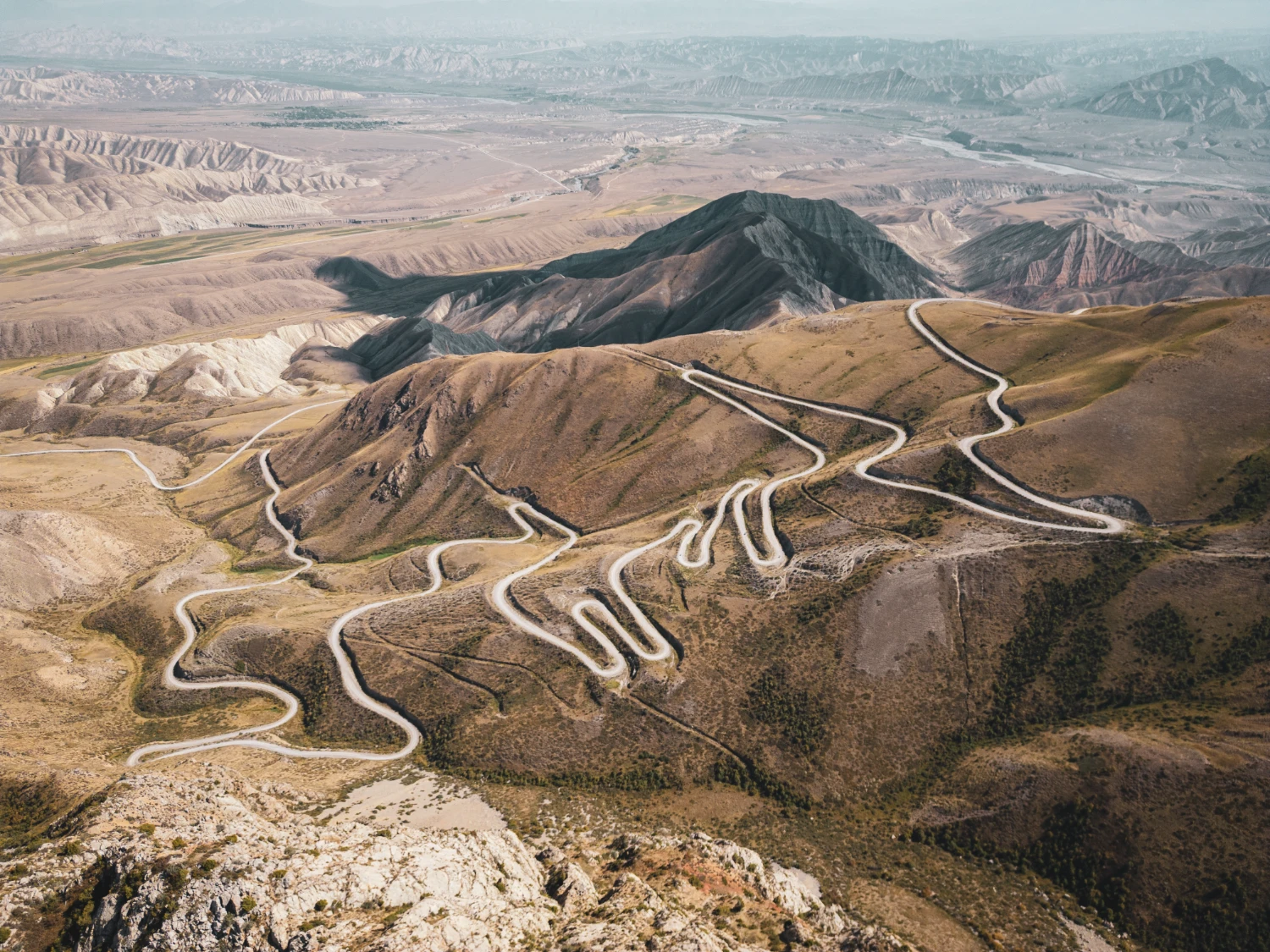
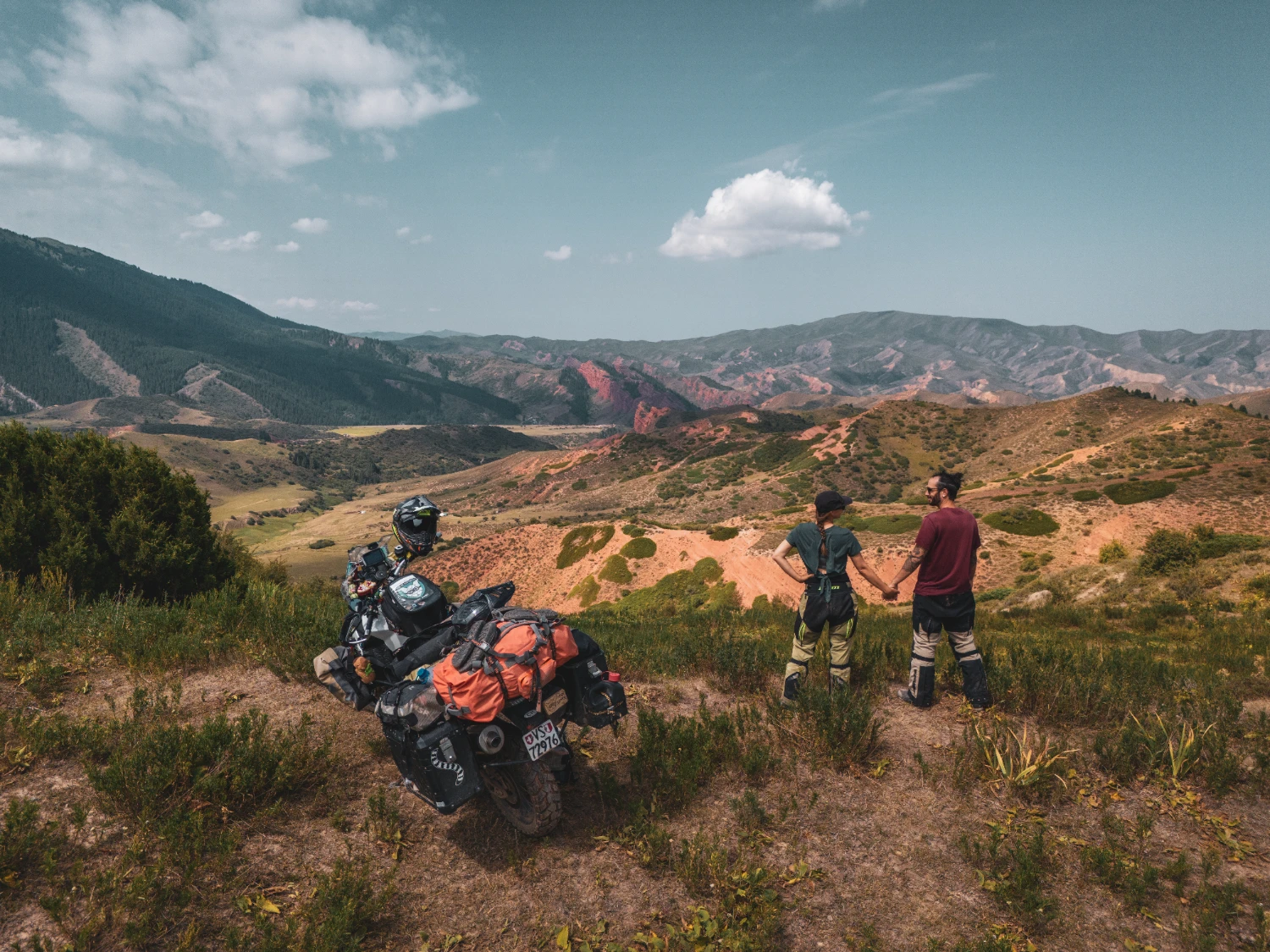
The Kyrgyzstan we came back to was even better than we remembered. Following the Ountravela guide’s pistes, we went deeper into the country than before: Track 5, Track 7, Track 9, each more beautiful than the last. Jeti-Oguz, the valley of Jyrgalan, the shores of Issyk-Kul.
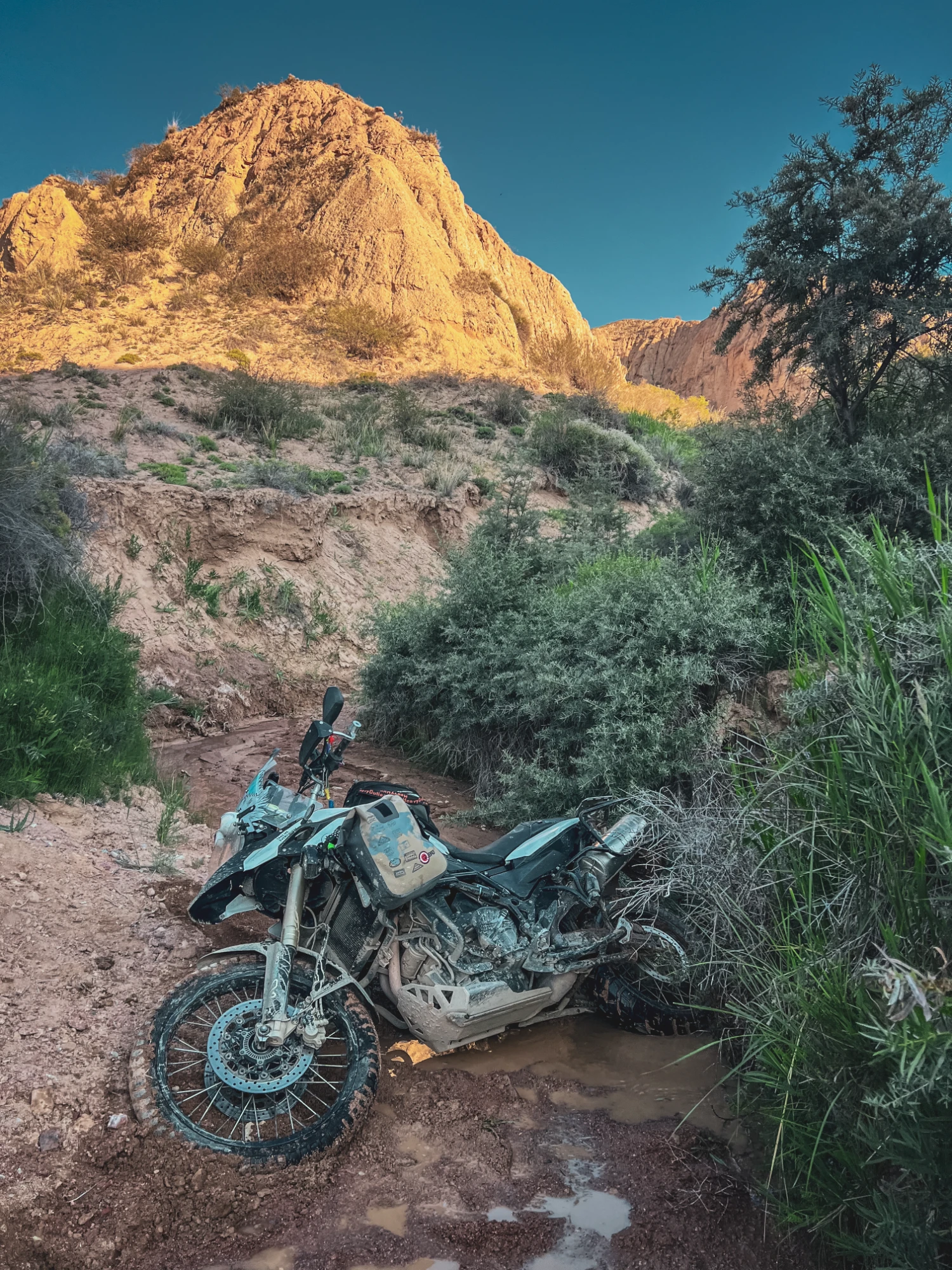
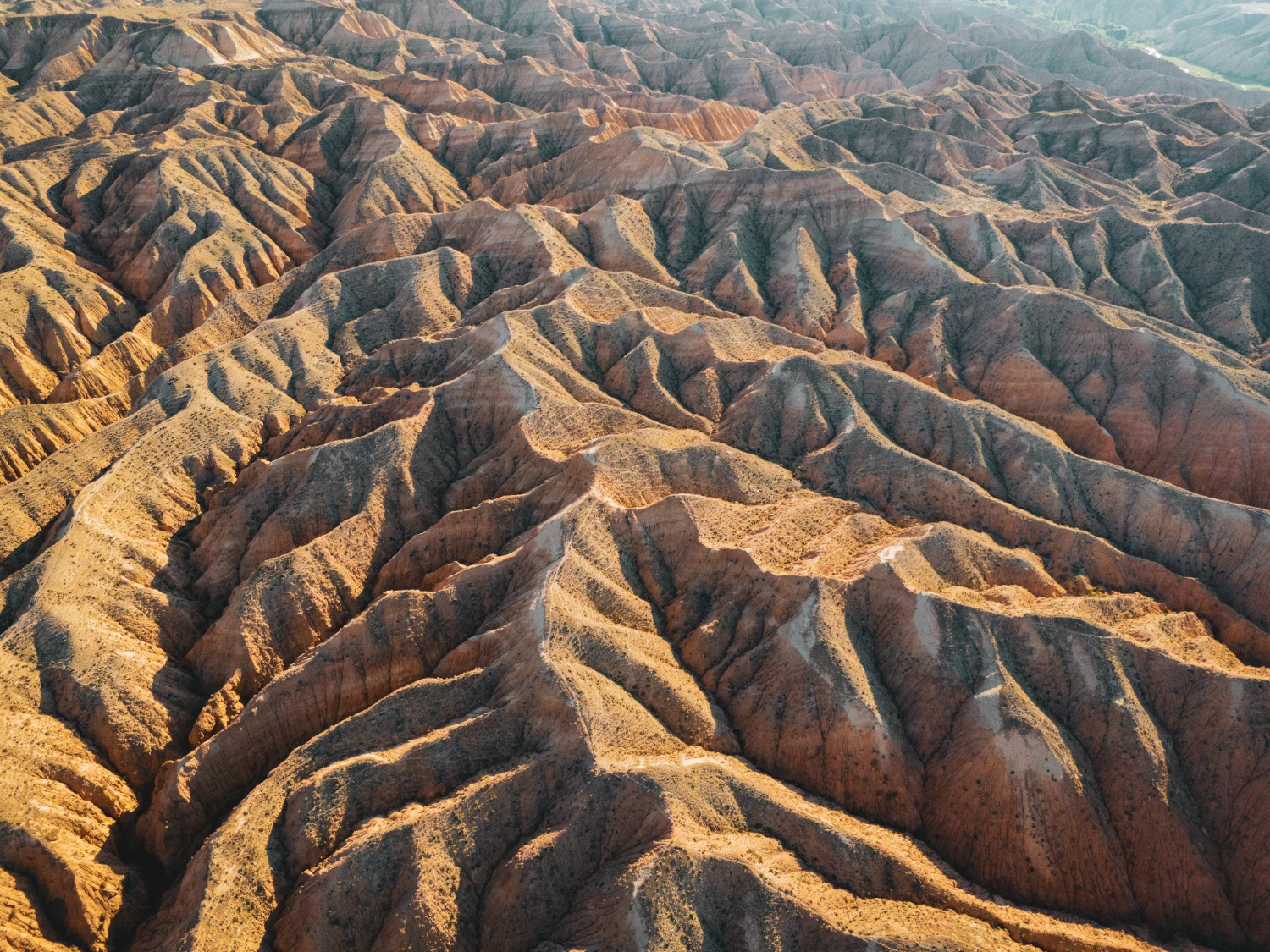
I also nearly lost Falkor in a canyon. The Mars Canyon near Ton is a labyrinth of red sandstone that looks like it belongs on another planet. Following a piste that seemed passable, I ended up alone, stuck, surrounded by marshland that appeared to want to swallow the motorcycle whole. It took two hours and a great deal of patience to get us both out. Nathalia, waiting at the canyon entrance, had quietly begun preparing for the worst. If you have seen the scene in The NeverEnding Story where Artax the horse sinks into the Swamps of Sadness, that image was very much in my head. Falkor did not sink. Luckily for us both.
Four Years of Motorcycle Travel: Two Canyons, One Big Feeling
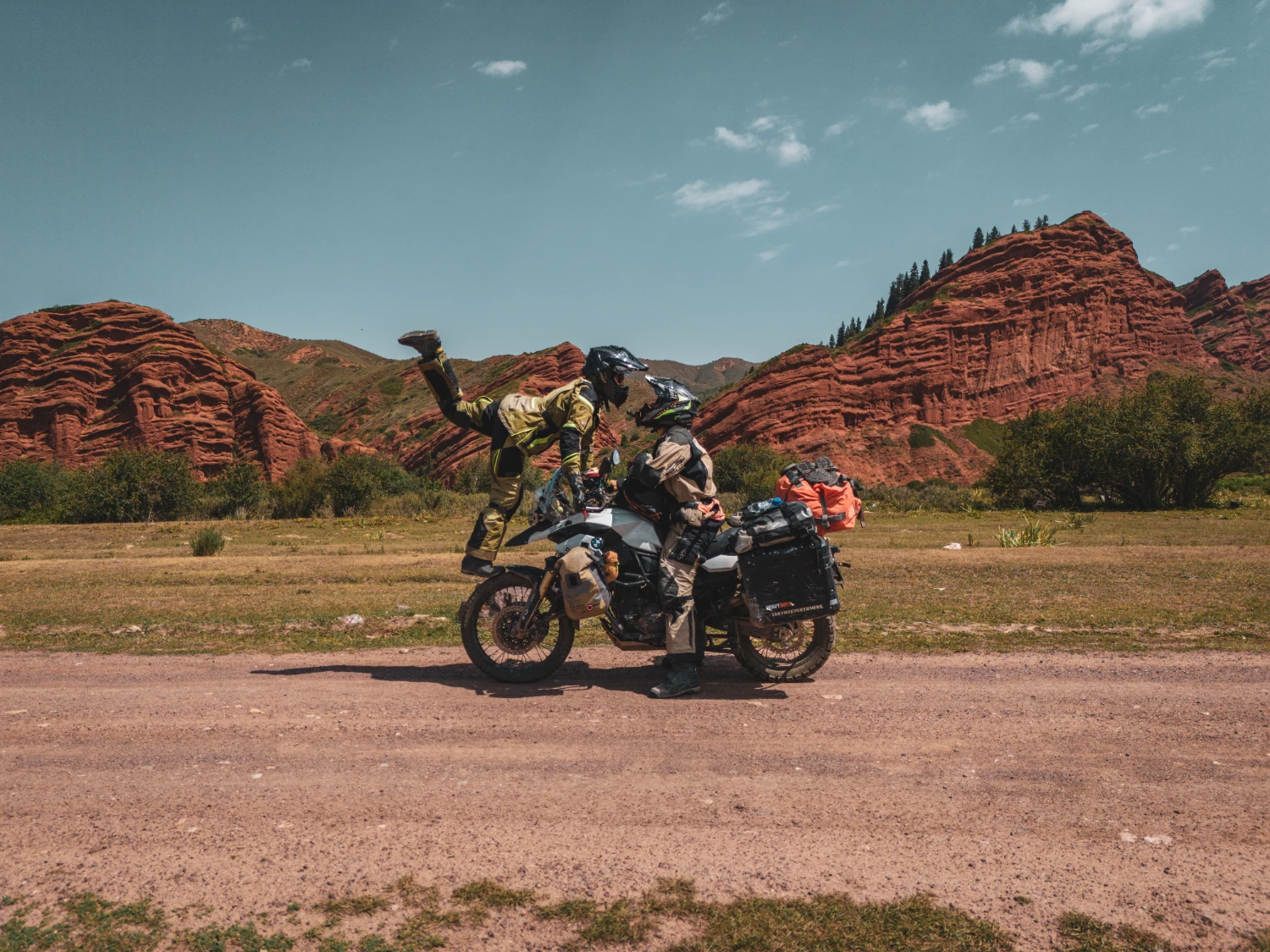
On July 27th, 2025, we marked our 4th anniversary of nomadic life in Karakol, Kyrgyzstan. Four years since we left our apartment, sold everything, and became people who live on a motorcycle. It didn’t feel like four years. It felt like one long, incredible conversation with the world that kept getting more interesting.
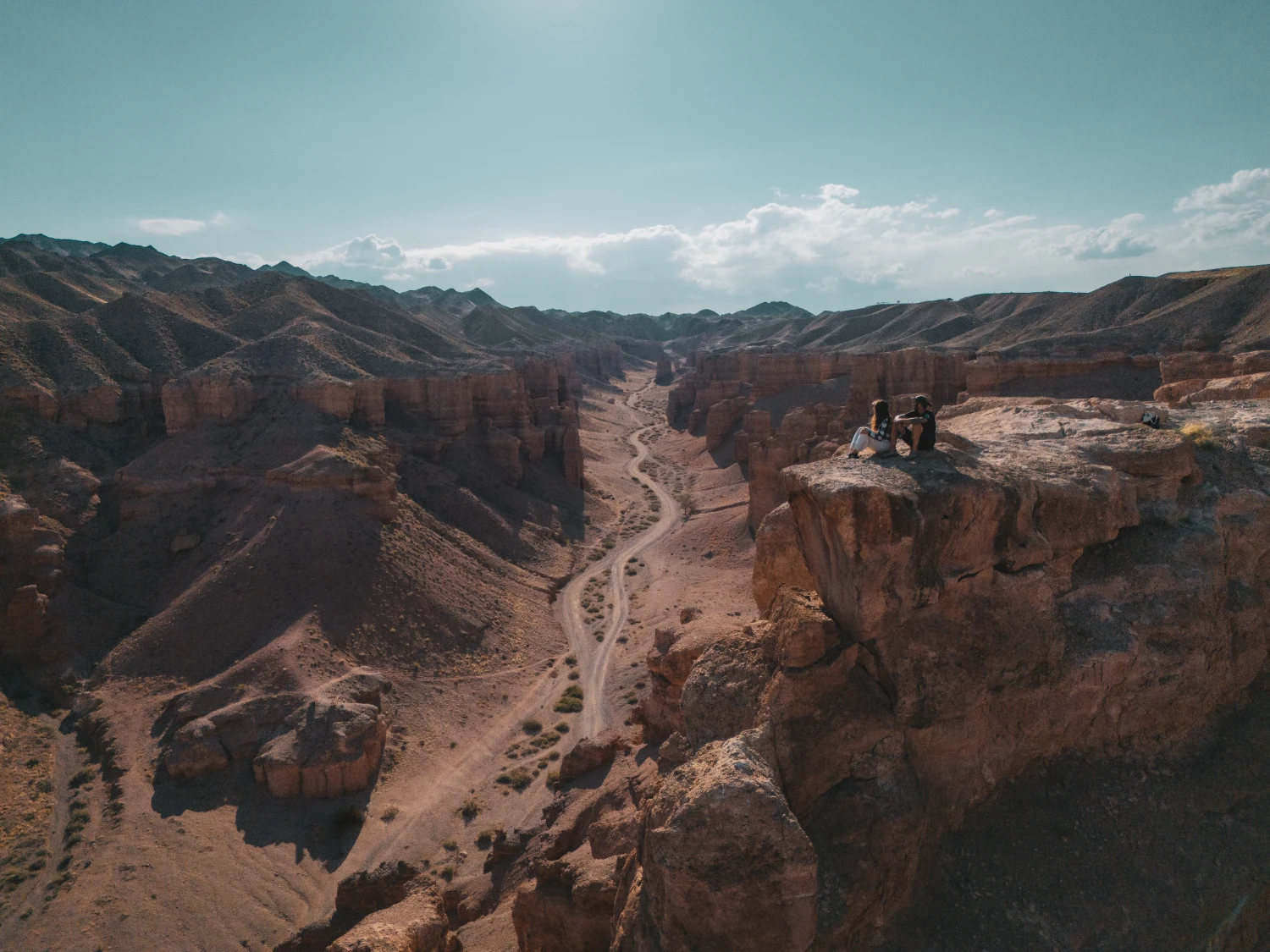
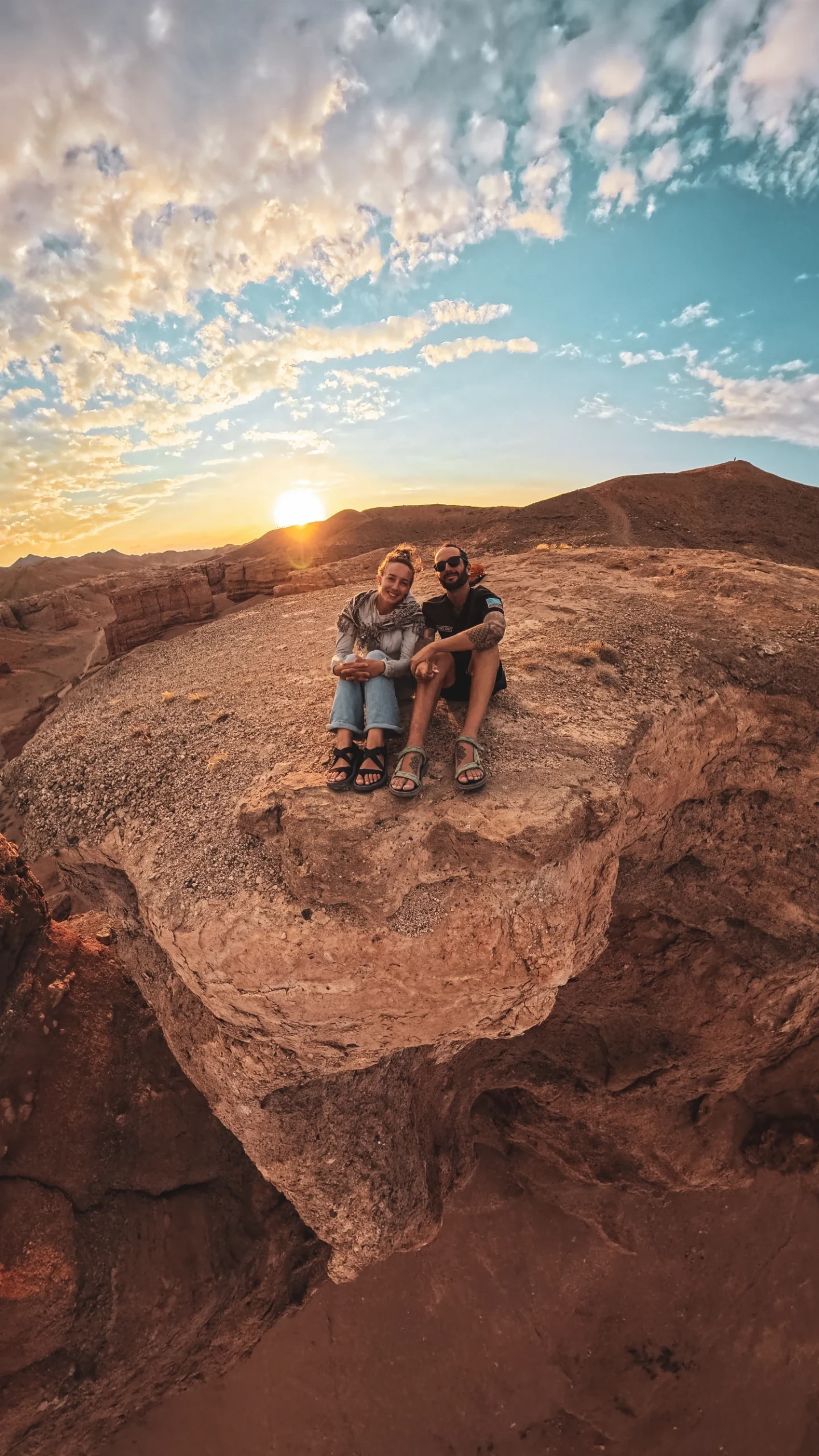
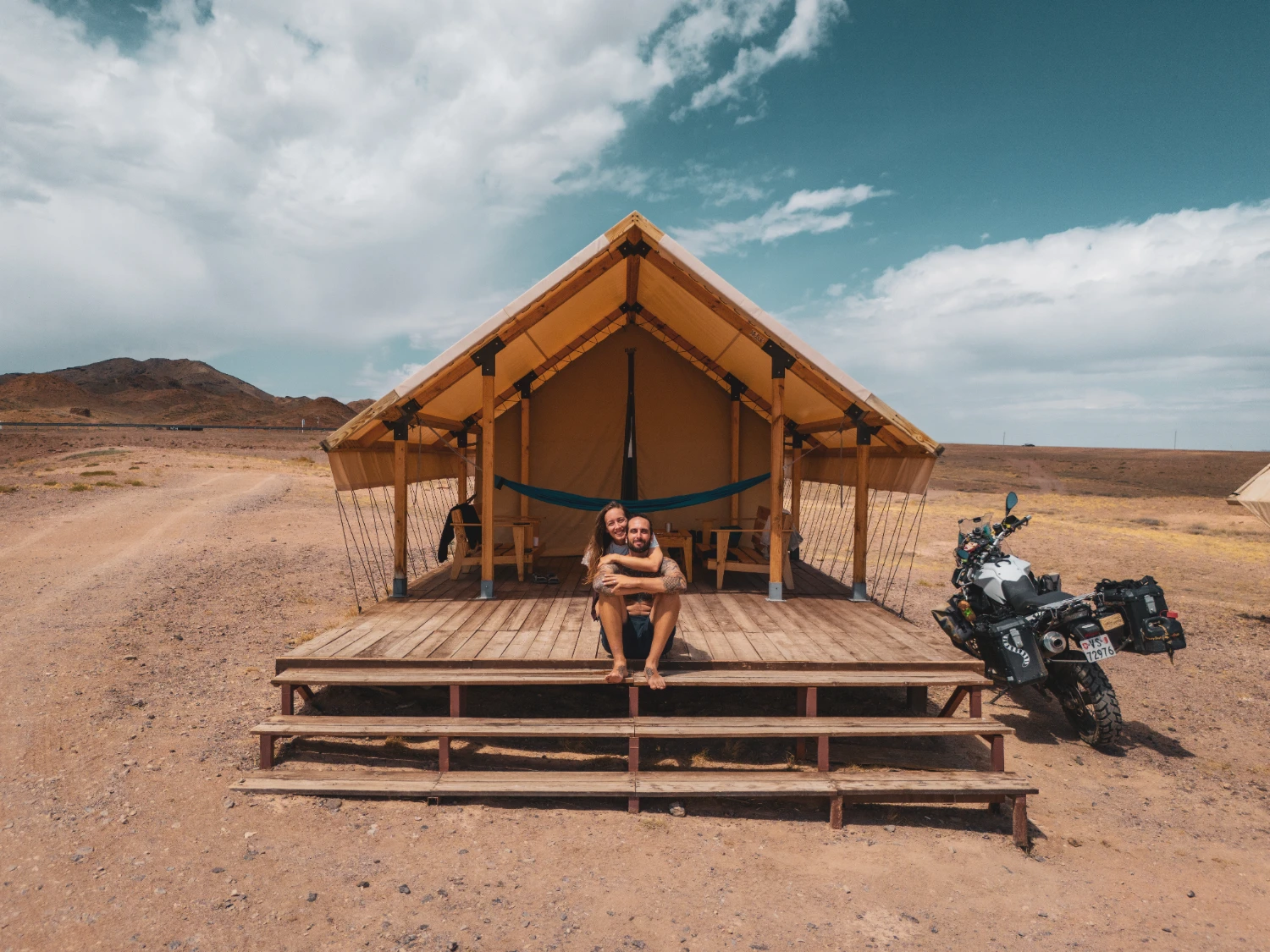
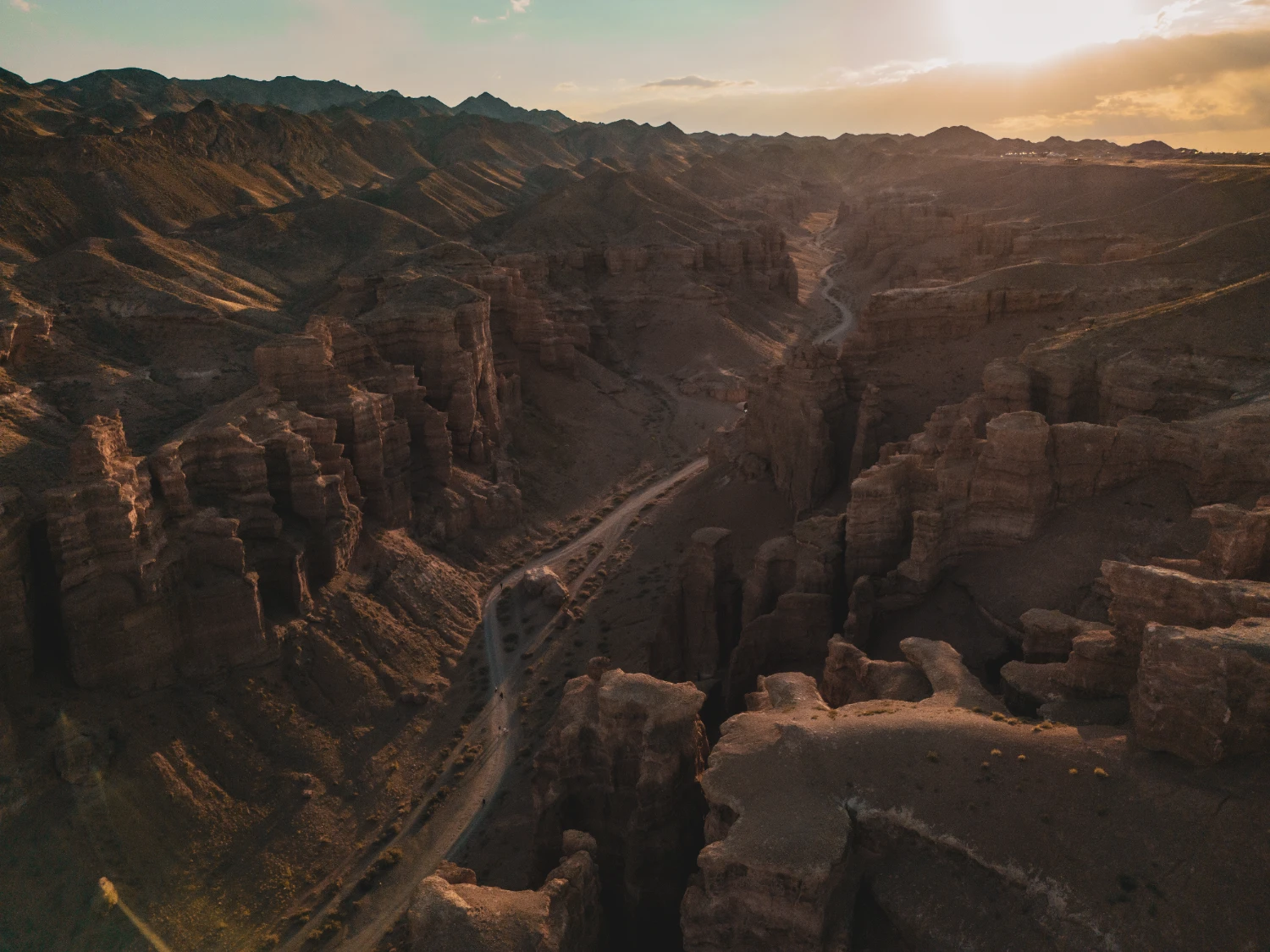
For August 1st, our official departure date from Switzerland four years earlier, we crossed into Kazakhstan to celebrate at Charyn Canyon. Often compared to the Grand Canyon, with red rock walls dropping sheer into the valley floor, it was exactly the kind of place where four years of motorcycle travel deserves to be marked. We found a wild camp, watched the last light leave the cliffs, and sat with the silence of everything we had seen and done.
The Motorcycle Travel Moments That Will Never Leave Us
The Pass at 4,655m
Standing at the Hushang Pass on the Pamir with Sander, Iris and Seb, laughing through altitude-thin air at the luck of being exactly there.
Riding With Horses at Sunset
Somewhere near Son-Kul Lake in the Kyrgyz steppe, Falkor keeping pace with a herd of horses in the golden hour. Some images are burned in forever, not just captured.
The World Nomad Games
Kok-Boru at full gallop, eagle hunters releasing their birds, mounted archery at top speed. Sports we didn’t know existed, and now can’t forget.
Taiwan’s Night Markets
Taiwan was joy in physical form. The bubble tea, Jiufen’s lantern-lit alleys, Taipei 101 on New Year’s Eve: an island we could have stayed on forever.
Motocross Through Tibet
The hardest physical day of Year 4. Sleeping on a yak enclosure floor at 4,000m with two Tibetan riders and Noé. Completely mad. Completely worth it.
Sleeping on the Great Wall
Watching sunrise from the stones of one of the most extraordinary things humans ever built. Some dreams take years of motorcycle travel to reach.
Four Years of Motorcycle Travel: What We Actually Know Now
No country is what you think it is
We had China completely wrong. Every traveler has their own version of this story. The only cure is going there yourself.
The motorcycle is home
Eleven months without Falkor confirmed what we suspected: we don’t just travel on this bike. We live in it. The reunion was as emotional as returning to a house.
Improbable things happen all the time
Two Falkor motorcycles. A found license plate. A Lonely Planet contract in the spam folder. Say yes. Reply to the strange message. Turn around for the motorcyclist going the other way.
Flexibility is the only real plan
This year happened because we kept saying yes to unplanned things. The Nomad Games, Taiwan, a motocross scouting trip in Tibet. In the end, the plan is to have no fixed plan.
Year 4 Motorcycle Travel — In Pictures
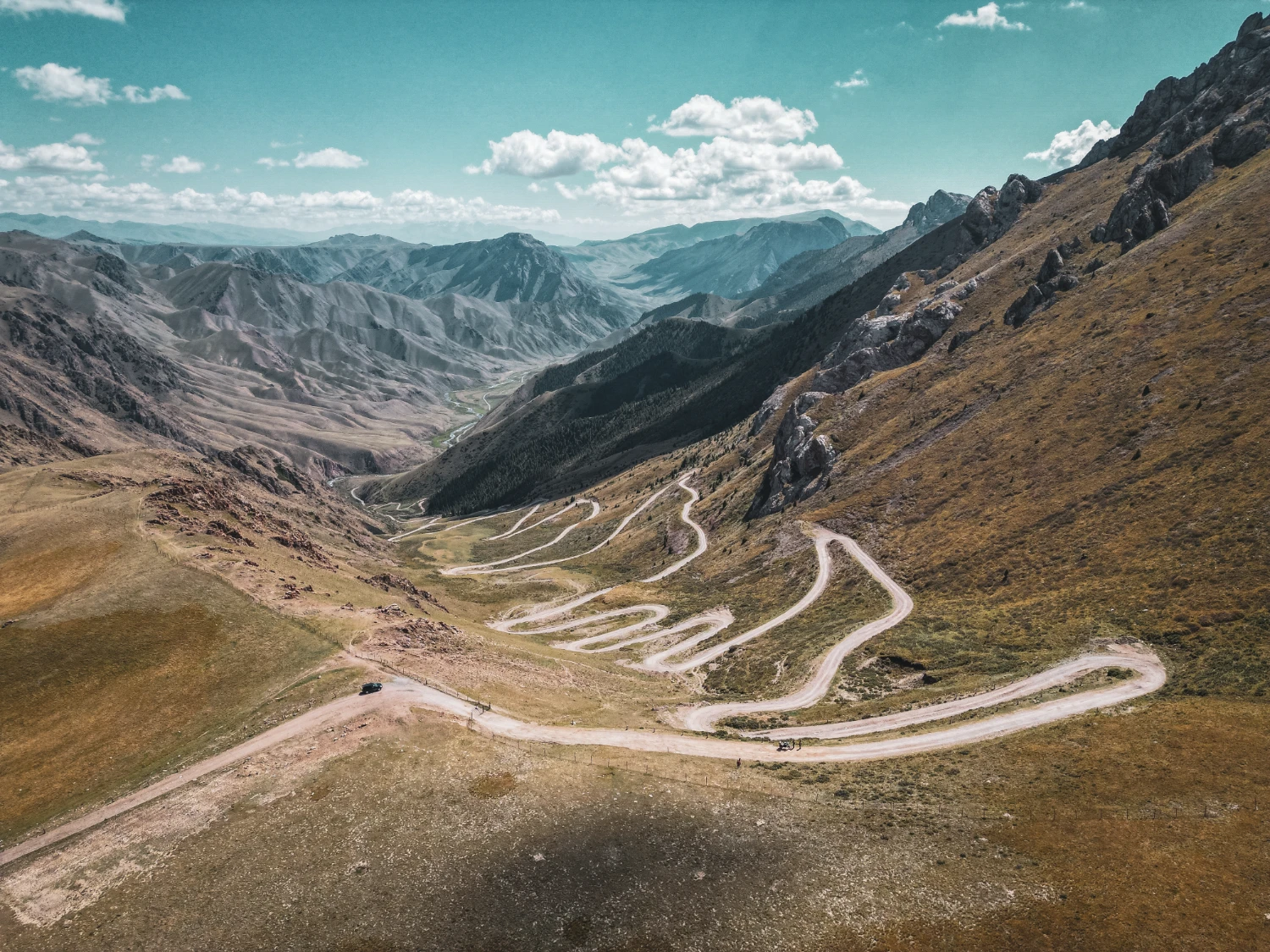
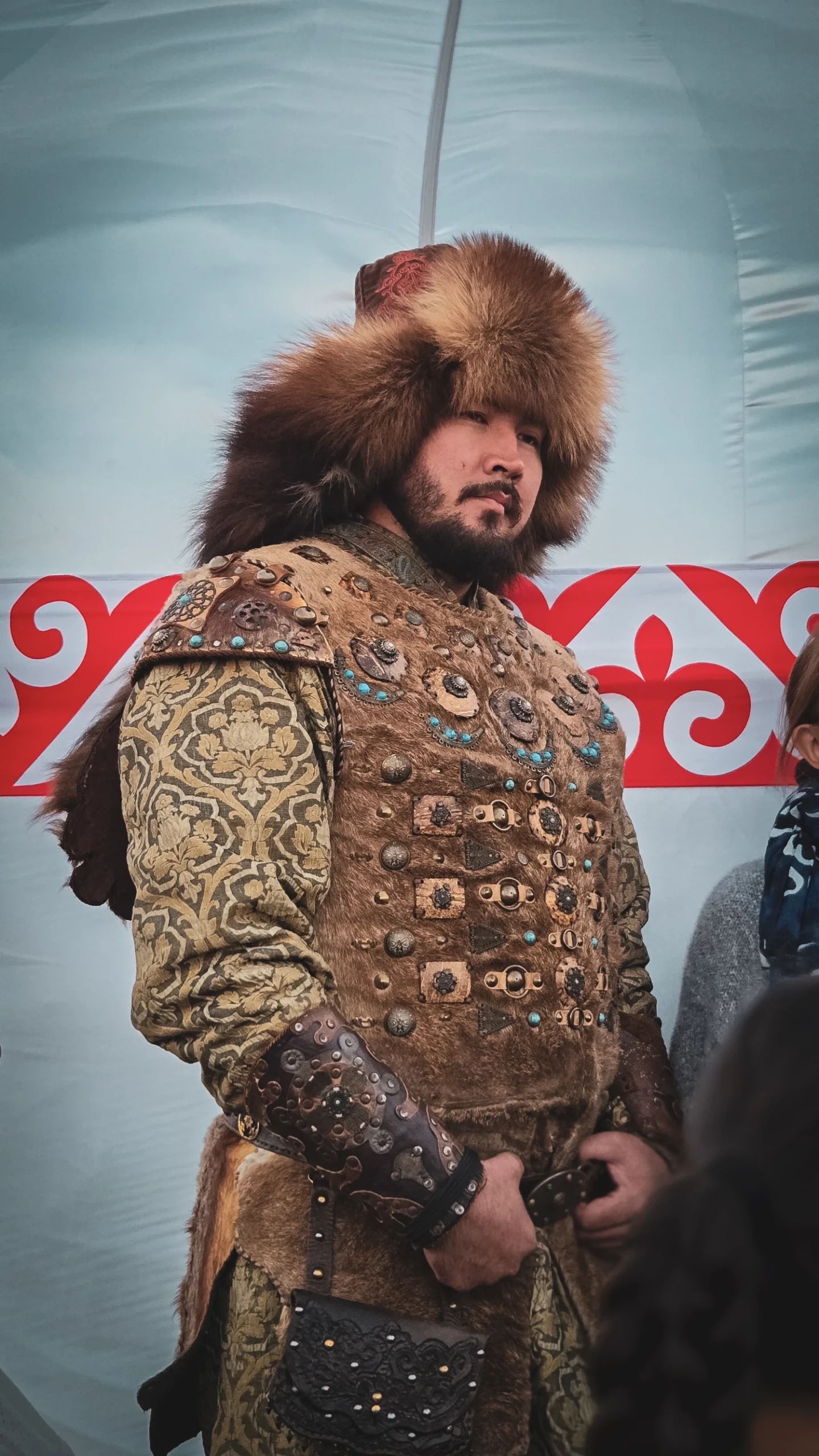
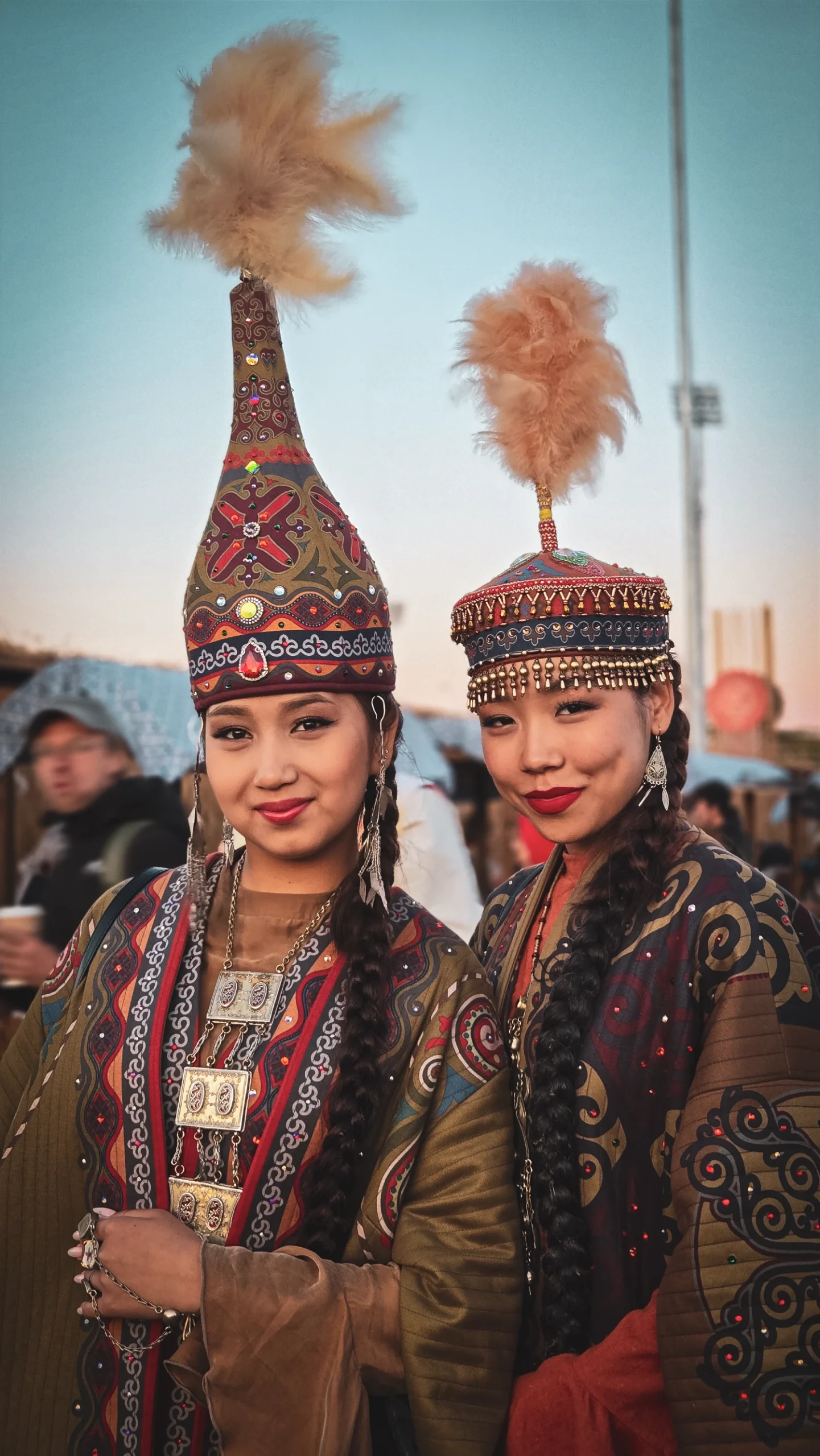
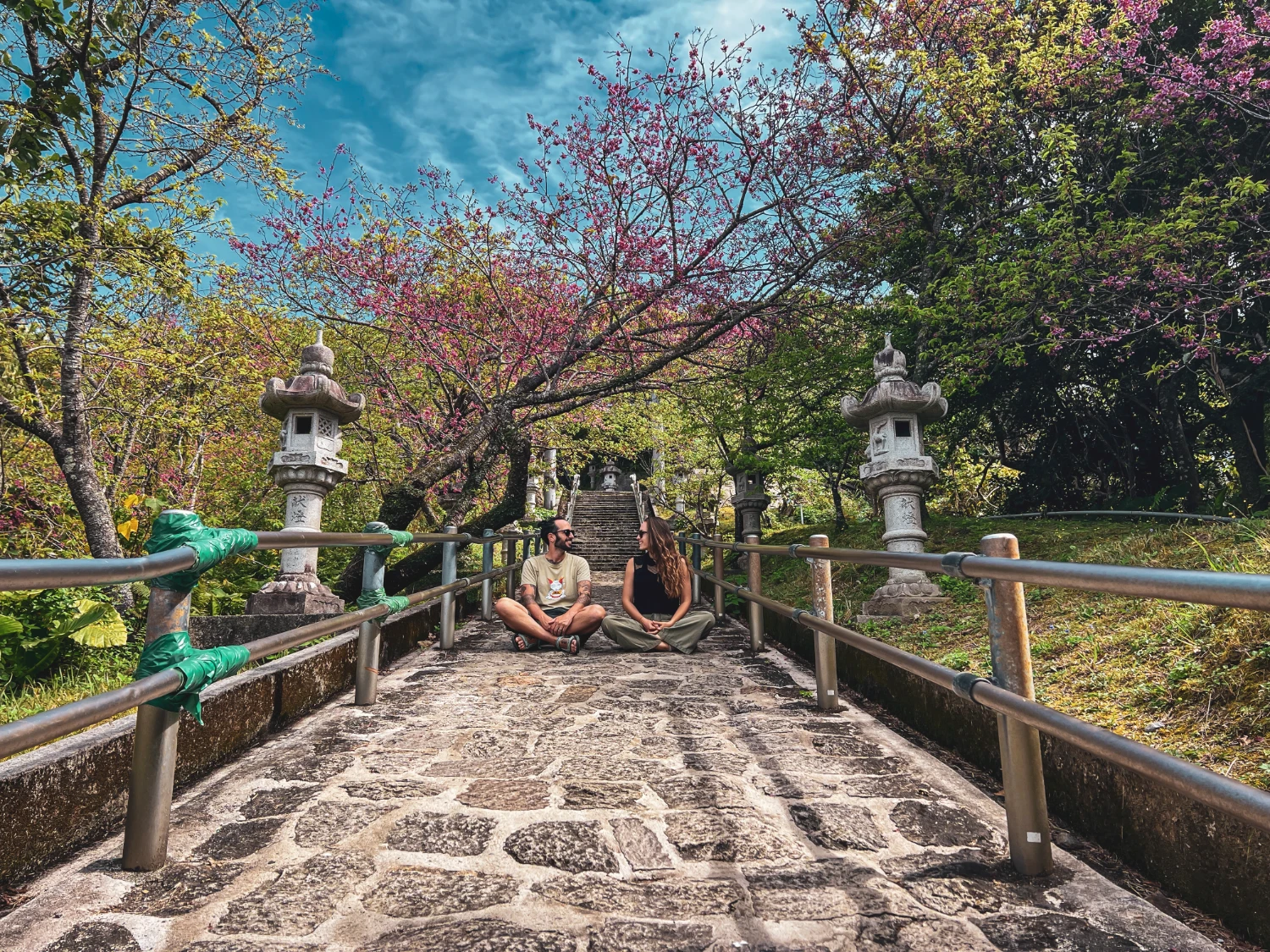
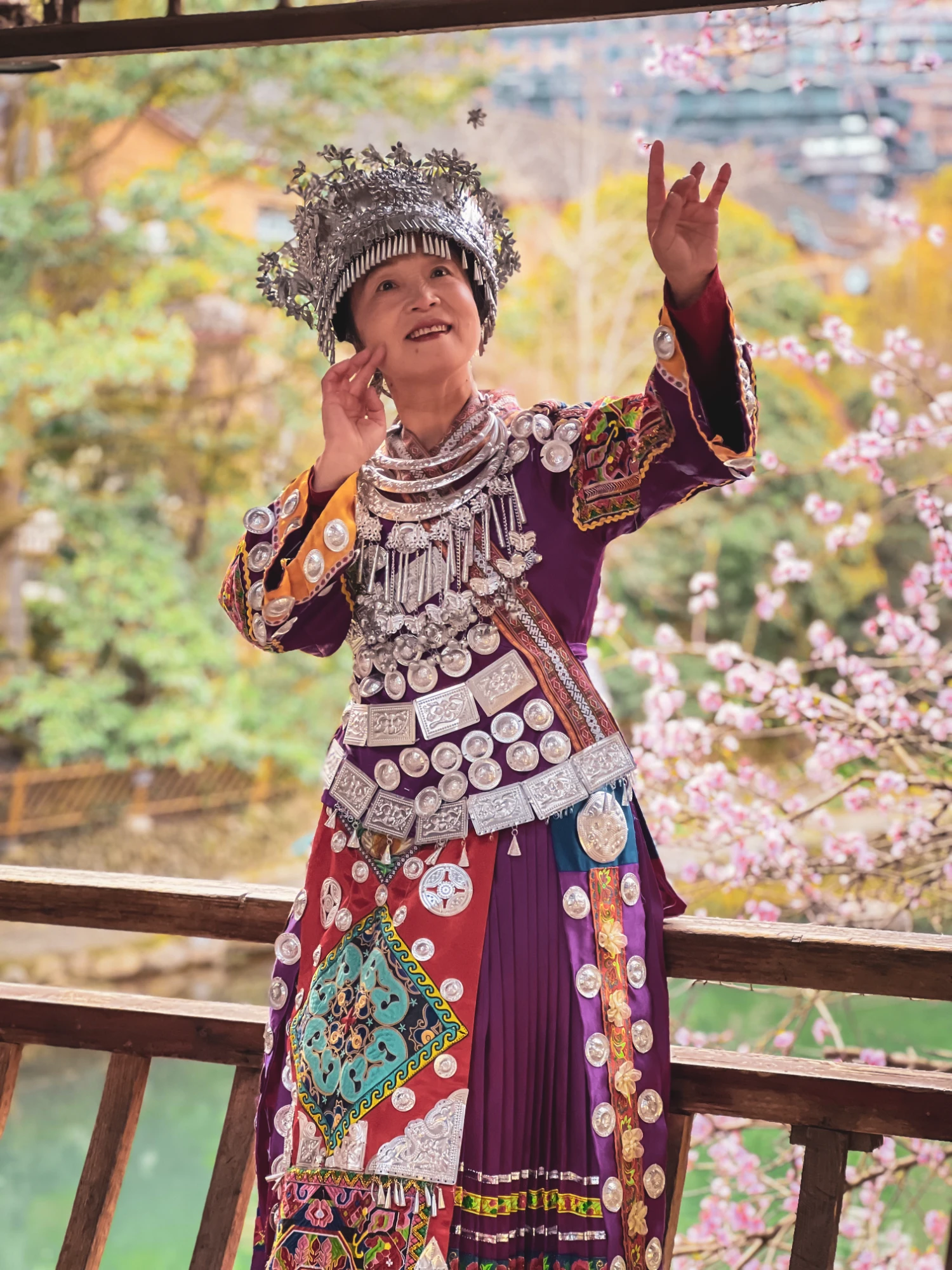
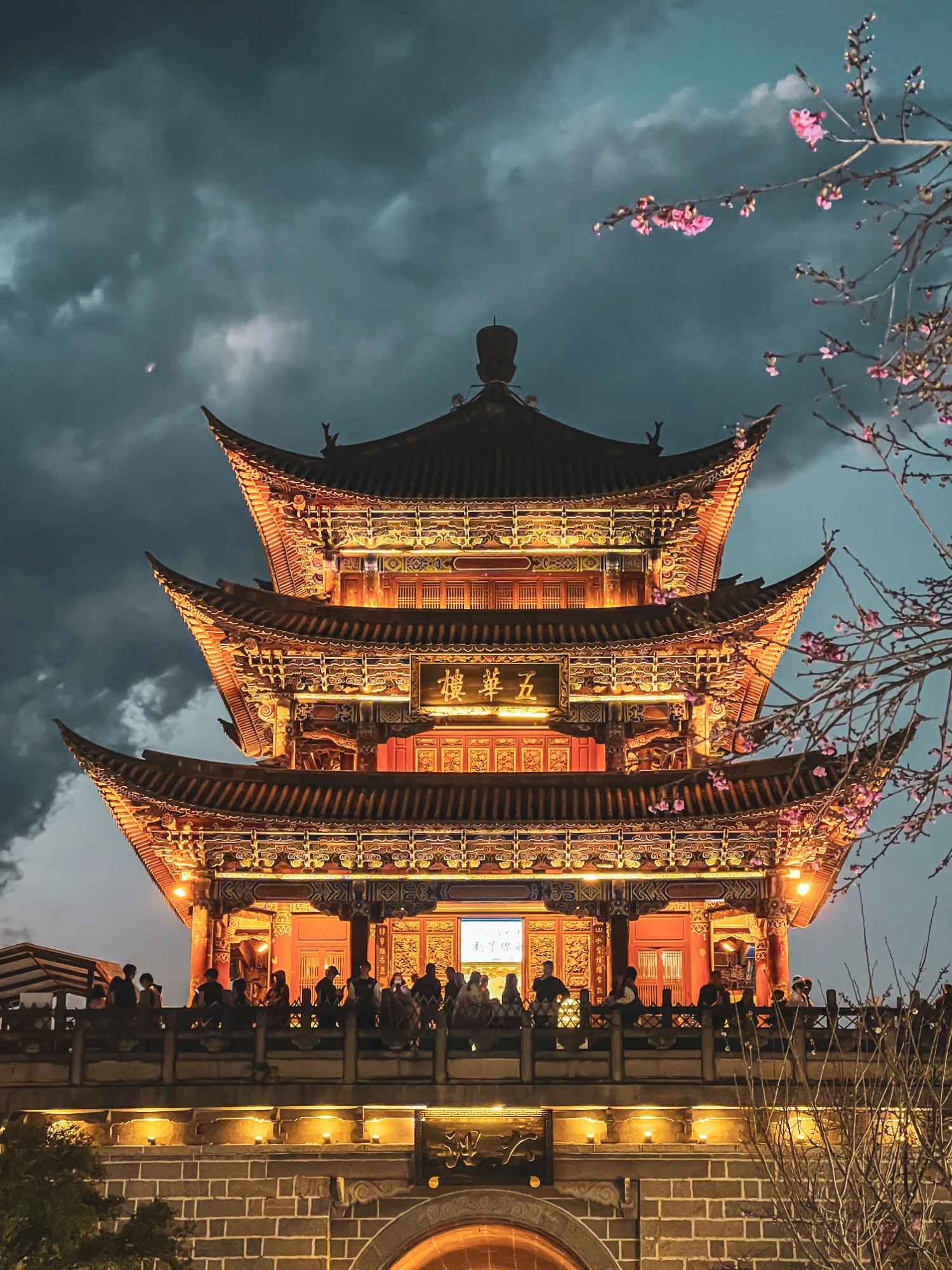
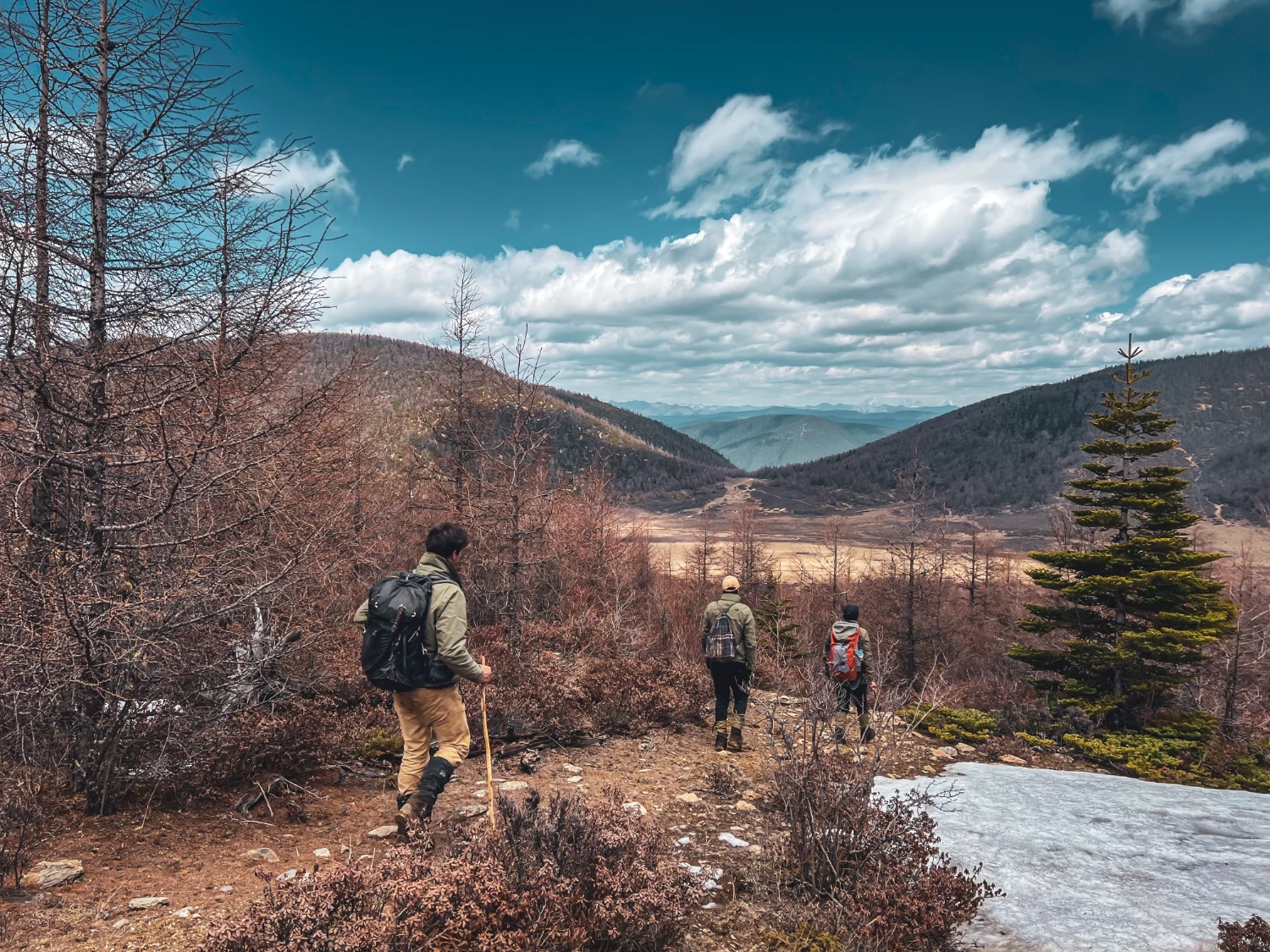
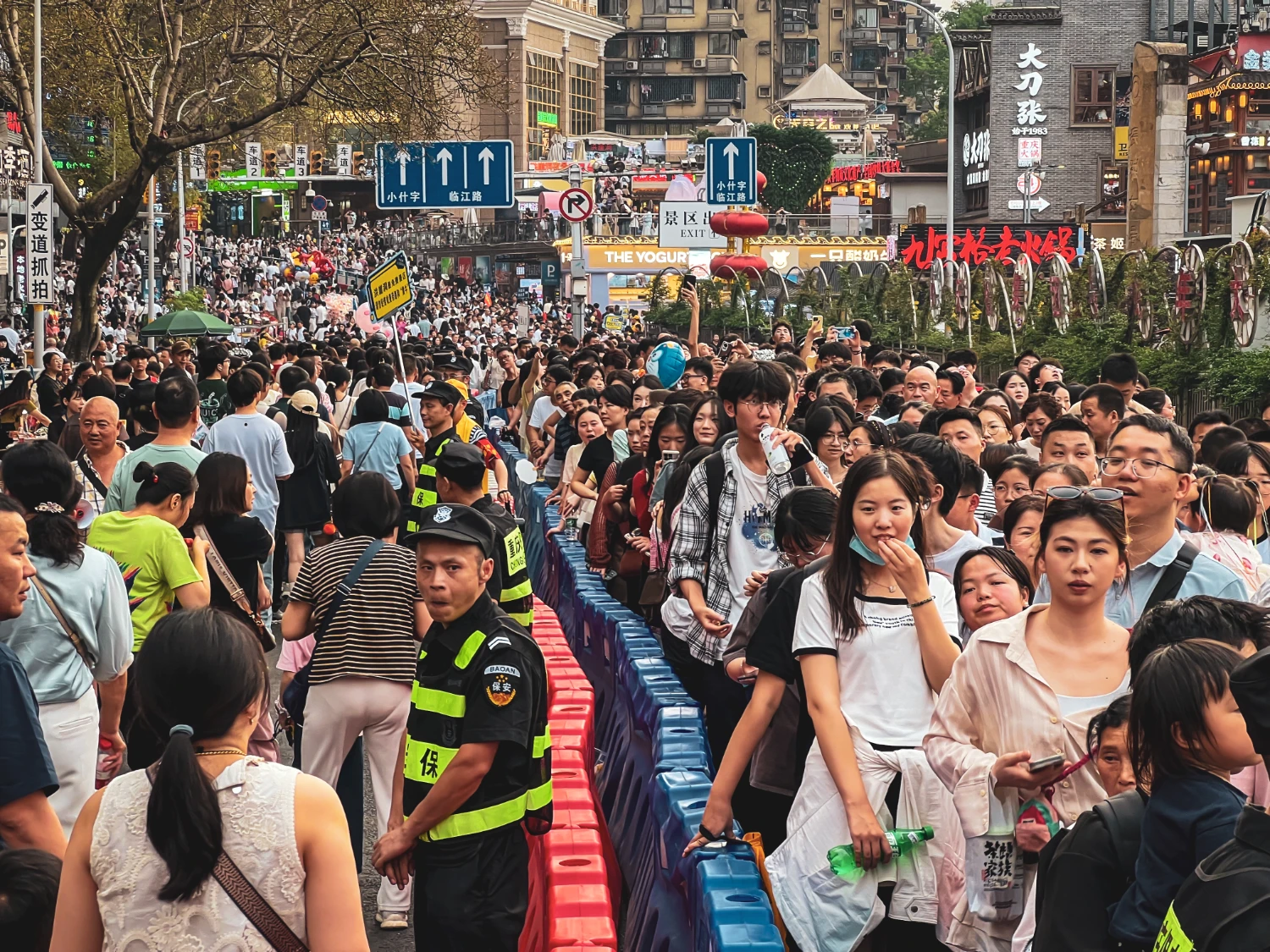
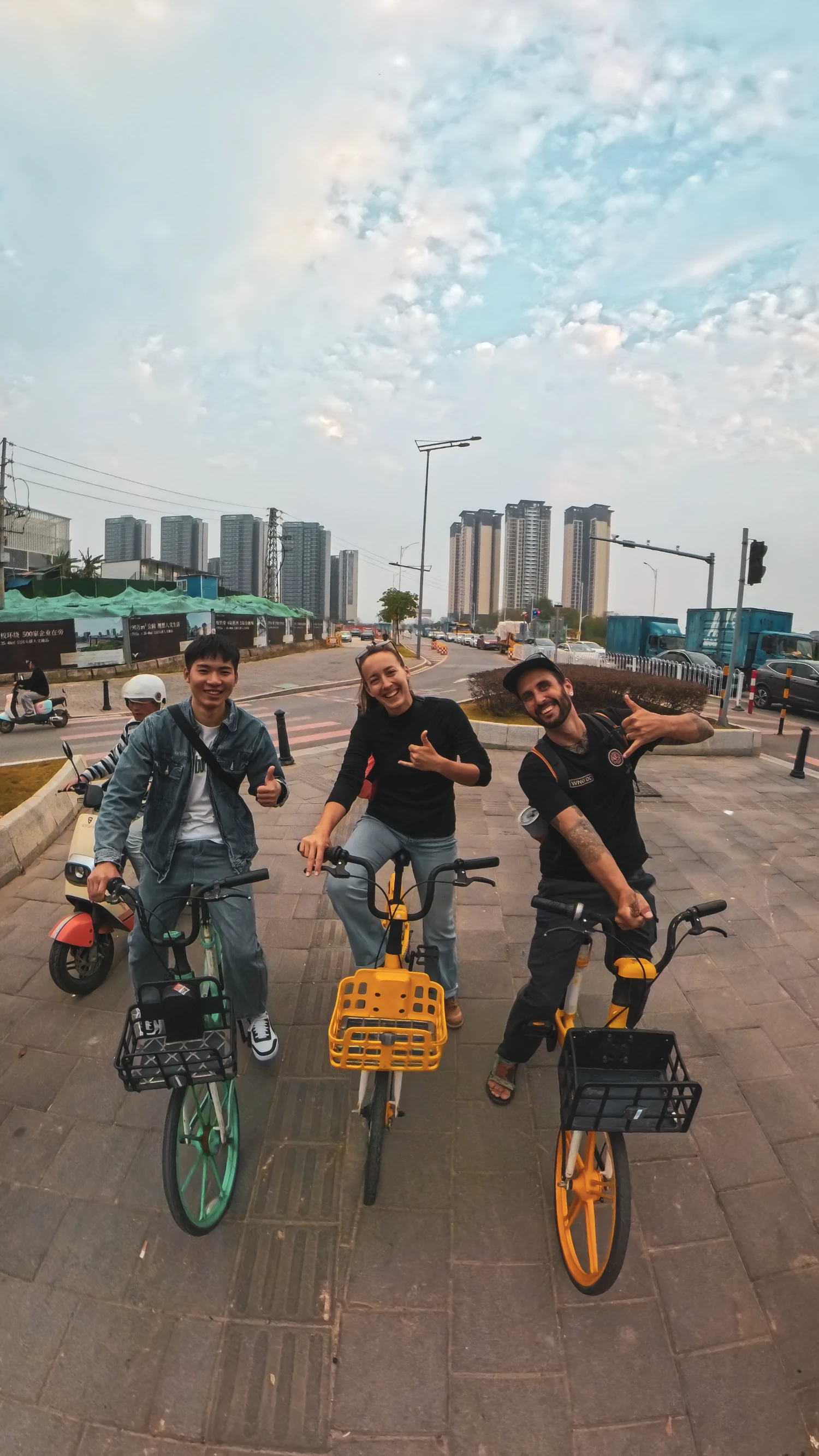
Four years in, we are more curious, more patient and more grateful than ever. We still don’t fully know what we are doing. But we have never been more sure that we are doing the right thing.
Vins and Natha, Kyrgyzstan, August 2025What About Year 5?
Year 4 of motorcycle travel proved one thing clearly: Falkor is not just a vehicle. It is home. Leaving it behind for eleven months was useful precisely because of how it felt to come back. Without the motorcycle, something essential was missing from the journey.
Year 5 will not leave Falkor behind. We are currently riding through China, Laos and Thailand, and as of August 2025 we expect to celebrate our 5th anniversary somewhere in Thailand. We will share more details in August. In the meantime, the lucky dragon is still running, the road is still out there, and we are still choosing every single day not to let the Nothing win.
In the meantime, follow along on Polarsteps where every step of the journey is written in real time. And if you want to start your own adventure, have a look at how Workaway and TrustedHouseSitters can make long-term travel much more accessible.
🎒 Join the Workaway Community: 3 Free Months, On Us
Throughout our Year 1, Year 2, Year 3 and now Year 4, Workaway has been our most reliable tool for making slow travel sustainable. Free accommodation, real human connection, and a chance to actually live in the places we pass through instead of just visiting them.
Use our referral link and get 3 extra months free on your membership. That is our gift to you for reading this far.
Keep riding with us 🐉
The story continues. Every country, every breakdown, every unexpected dinner invitation, all of it, live.